“Authentic human flourishing,” he explained, is not found in consumer convenience or unrestrained autonomy, but in what the Church calls integral human development
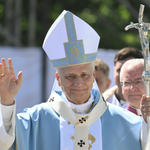
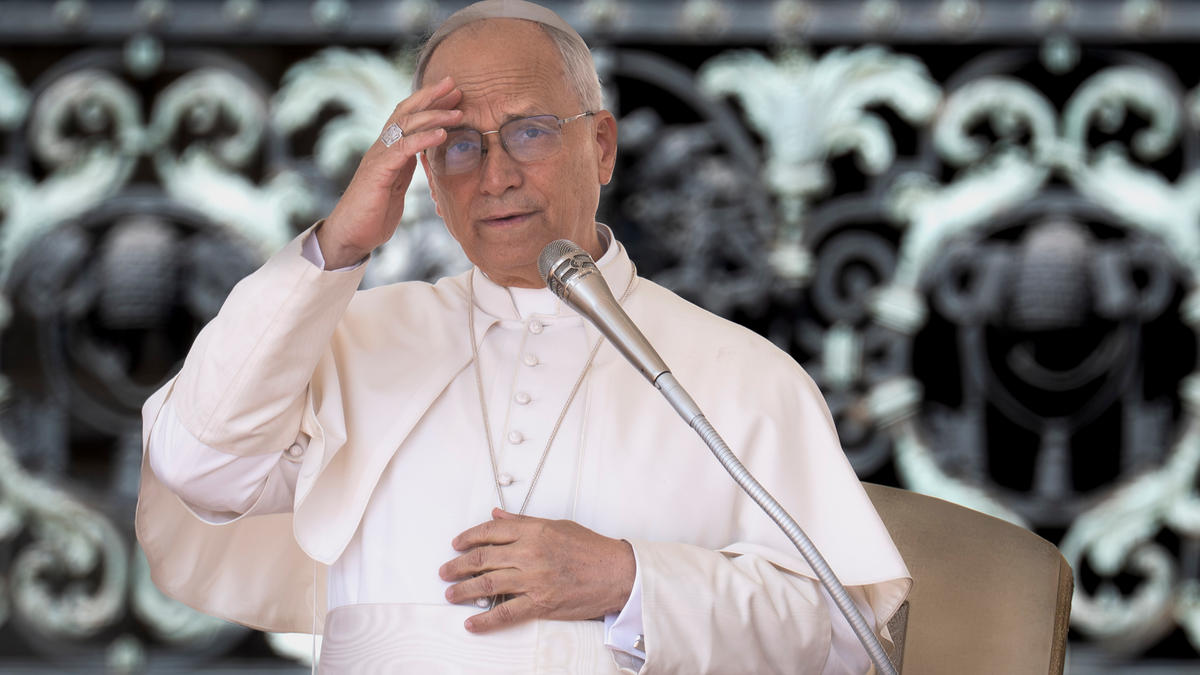
At the Vatican, on August 23, Pope Leo XIV addressed members of the International Catholic Legislators Network (ICLN), urging them to resist the temptations of power and to embrace their vocation as “bridge-builders” between faith and politics. The gathering, held at the Vatican during the Jubilee of Hope, marked the group’s 16th annual meeting.
This year’s theme — “The New World Order: Major Power Politics, Corporate Dominions and the Future of Human Flourishing” — provided a weighty backdrop.
The Pope, speaking in English, acknowledged both the anxieties and the longings present in such a topic.
“We are all concerned about the direction our world is taking,” he said, “and yet, we long for authentic human flourishing.”
To frame this challenge, Pope Leo turned to St. Augustine of Hippo, who wrote The City of God in the midst of the crumbling Roman Empire. Augustine distinguished between the “City of Man,” built on pride and self-interest, and the “City of God,” founded on humility and love of God.
The Pope suggested that this vision offers legislators a spiritual compass in an age of shifting alliances, corporate power, and technological dominance.
“Authentic human flourishing,” he explained, is not found in consumer convenience or unrestrained autonomy, but in what the Church calls integral human development — the full growth of the person in every dimension: physical, cultural, moral, and spiritual. He warned against reducing happiness to wealth or pleasure, pointing instead to the loneliness and meaninglessness often seen in affluent societies.
Quoting the Gospel of John — “I came that they may have life, and have it abundantly” (Jn 10:10) — Pope Leo stressed that a flourishing society safeguards the freedom to seek truth, worship God, raise families in peace, and live in solidarity with others. This vision, he said, should shape the laws and policies promoted by Catholic legislators.
The Pope also emphasized that the future depends on the kind of love around which society is organized: “a selfish love, the love of self, or the love of God and neighbor.” He challenged lawmakers to reject the fatalism that “nothing will ever change” and instead embrace a “politics of hope,” alongside what he has previously called a “diplomacy of hope.”
“Power must be tamed by conscience,” he insisted, “and law must be at the service of human dignity.”
The ICLN, founded in 2010, brings together Catholic legislators and public servants from around the world to reflect on how faith can inform political life. For Pope Leo, their mission is not only necessary but urgent: “The challenges are immense, but God’s grace at work in human hearts is more powerful still.”
He concluded by assuring the participants of his prayers, asking the Lord Jesus, “the Prince of Peace,” to bless their efforts for “the true flourishing of the human family.”