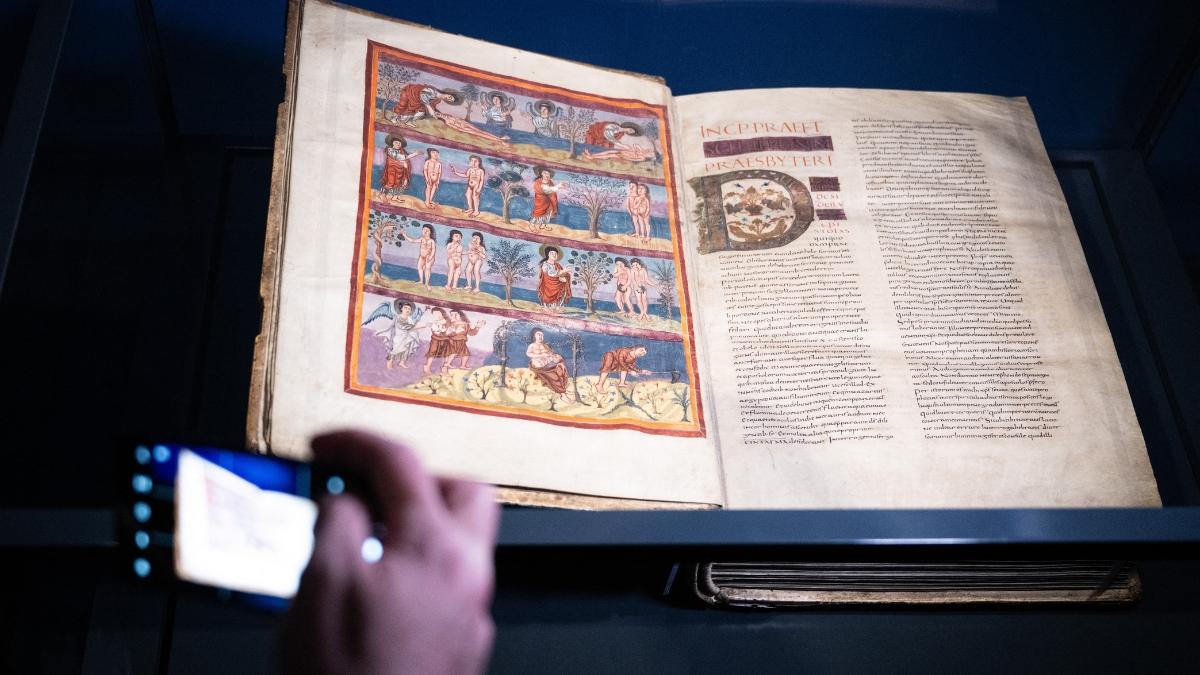
God is ultimately the author, yet the books were composed by real people in specific places and periods. Their styles, vocabularies, and pastoral aims matter.
If you’ve ever opened the Bible and wondered where to begin, you’re not alone. Catholics see Scripture as a living conversation: God is ultimately the author, yet the books were composed by real people (and sometimes even communities) in specific places and periods. Their styles, vocabularies, and pastoral aims matter — because God chose to speak through human words.
Inspiration and inerrancy — plainly.
The Church teaches that Scripture “firmly, faithfully, and without error” teaches the truth God wanted there “for the sake of our salvation.” That’s inerrancy. It’s not a claim that every verse works like a lab report; it’s a promise that every book reliably serves God’s saving purpose. So we attend to genre: poetry sings, law instructs, narrative tells, prophecy warns and consoles.
Real authors, editors — and earlier storytelling.
Before pages, there was preaching. The apostles handed on Jesus’ words and deeds; later, evangelists selected, synthesized, and explained what had been passed on “by word of mouth or in writing,” shaping it for their churches.
In other words: oral tradition came first, and editorial work (under the Spirit) shaped the Gospels we read. None of that competes with God’s authorship; it’s how God chose to write this library.
The Hebrew Bible and the New Testament belong together. The Church sees one plan: the earlier books prepare; the later books fulfill; each sheds light on the other.
Parables: More than morals — imagination at work.
From the Greek parabolē — “to place alongside” — a parable puts a story next to your life so comparison can do its quiet work. Philosophers like Jean-Luc Nancy describe parable as opening a space where sense can happen — less a packaged lesson, more an event that recruits your imagination.
A simple three-step frame for any passage
What does it say? Notice the words and the genre.
What did it mean then? Who’s writing? To whom? What issue is in play? The Church urges attention to human authors, context, and the unity of Scripture.
What does it ask of me now? Because Scripture is God’s Word in human words, it speaks into today — often in small, concrete invitations.
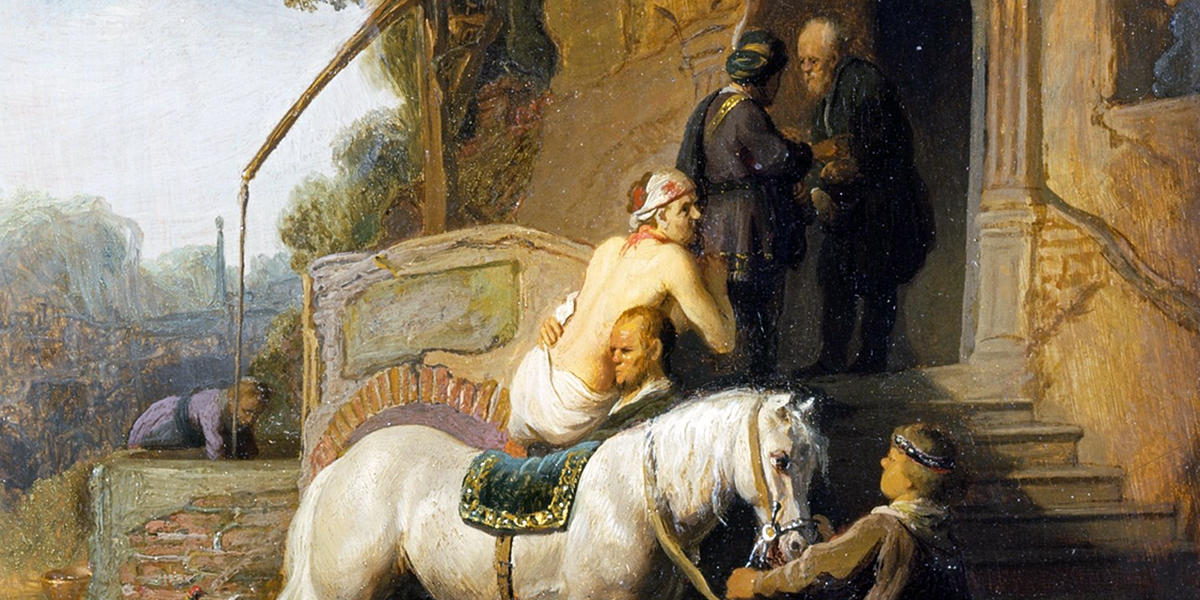
A quick example (Luke 10:25–37): The Good Samaritan is a parable — so expect it to show more than tell. In Jesus’ day, Samaritans and Jews distrusted each other; the “outsider” is the hero. Who lies “by the road” near you, and what is one doable act of mercy?
Try this tonight (8 to 10 minutes)
- Find Sunday’s Gospel. Use a lectionary app, or acquire a booklet of this year's Sunday Gospels.
- Read it aloud once. Underline two verbs indicating Jesus’ actions and one verb pointing at what someone else does.
- Name the genre. If it’s a parable, ask: What new thinking, action, imagination, or change does this story call for?
- Then → Now (3 notes). Jot: a) who’s speaking to whom, b) the tension, c) one detail first-hearers would notice (a road, a coin, a person, a tree).
- Pray from a verb. “Jesus, [verb] in me today as you [verb] here.”
- Pick one micro-action for 24 hours. Choose something like re-reading a text, sending an apology note, taking five minutes of real listening to someone – anything that derives from the text you just read.
Read with the Church.
We never read alone. The same Spirit who inspired Scripture guides the Church in hearing it; good footnotes and the Sunday lectionary help us catch the larger story — and live it.