Farmers, their animals, and their crops have numerous saints they can look to for intercession in their vitally important role of providing food for the world.
Farmers fulfill a vital role in society. With their crops and livestock, they feed the world and make it possible for other people to dedicate their lives to other pursuits. Whether you are a farmer or just appreciate their often hidden but essential work, it’s always a good idea to pray for them and their crops and animals. Here’s a selection of patron saints you can invoke for them, with a brief biography (taking into account that details are often uncertain):

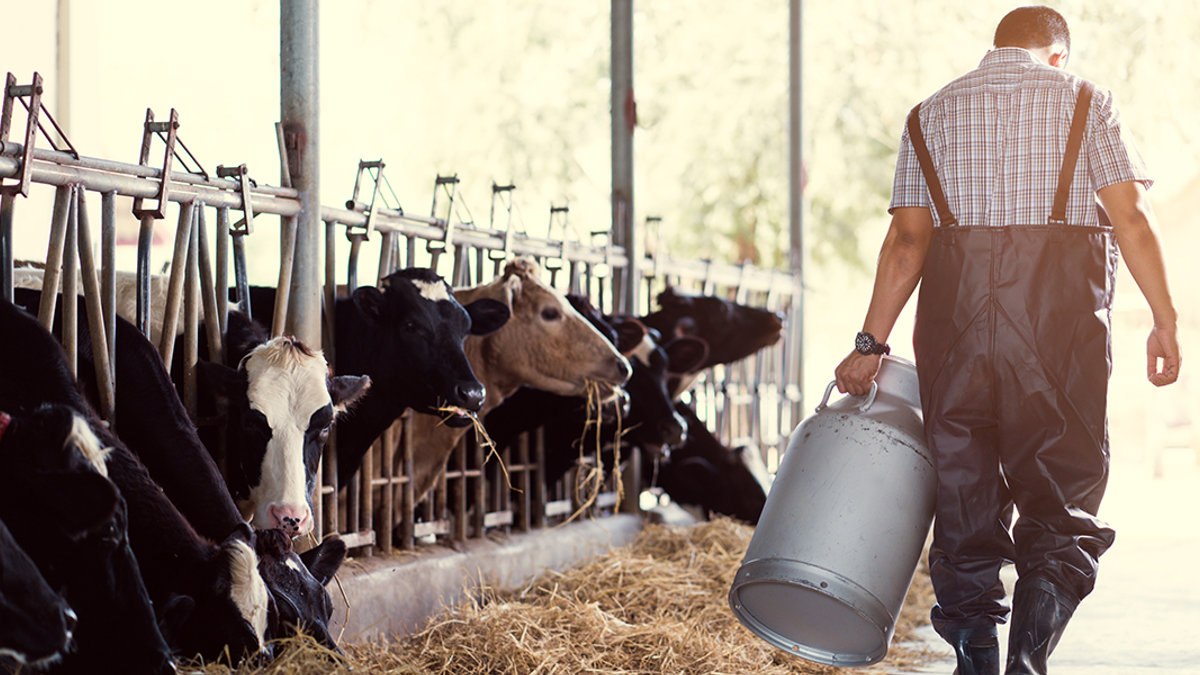
Farmers: St. Isidore the Farmer
Born in Madrid in 1070, St. Isidore worked on the estate of a wealthy landowner, Juan de Vergas, starting in his childhood. He rose early every morning to dedicate time to God in prayer or at Mass before work. Sometimes he was even late to work because of his devotions. Isidore also prayed as he plowed the fields. His wife, Maria de la Cabeza, also venerated as a saint, shared his profound faith. They had one son together, who died as a child.
Isidore loved the poor, and reportedly performed miracles to provide them with food. He was also very concerned with the well-being of the animals on the farm. According to tradition, angels sometimes helped him with his farm work when he was absent due to his prayers and devotions. He died in 1130, and is the patron saint of farmers and of agriculture in general.
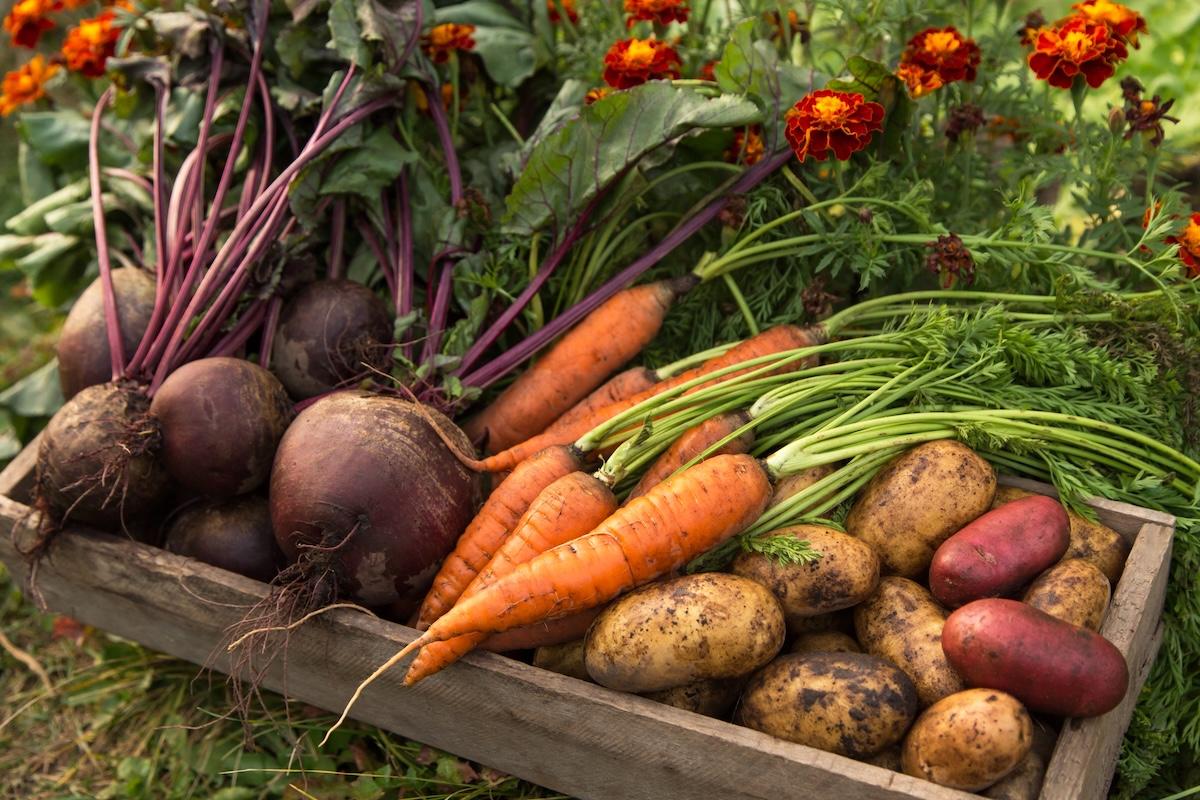
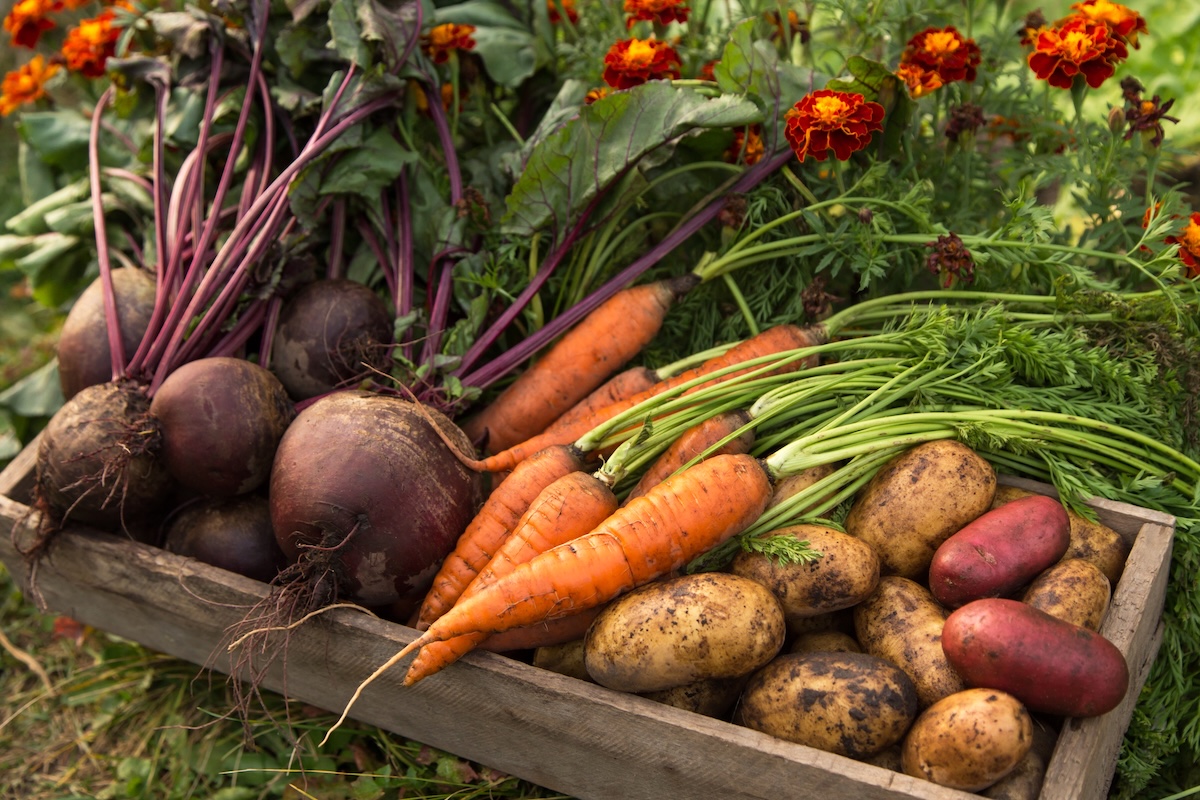
Vegetable growers and gardeners: St. Fiacre
This Irish saint lived in the 7th century. St. Fiacre was of noble birth, but chose to renounce a life of luxury to join a monastery. He eventually became the abbot of the monastery and gained fame as a healer. However, he wanted a life with more silence, prayer, and solitude.
To attain this, he moved to France, where a bishop gave him a hermitage in a forest. He cleared the trees from an area of the woods to plant a vegetable and herb garden and build an oratory in honor of the Blessed Virgin Mary. Fiacre also built a hostel for travelers, and treated the sick who came to him, sometimes performing miraculous cures. His hermitage became a monastery, and he found himself once again at the head of a community.
He died in the year 670, possibly from leprosy he contracted while caring for lepers. St. Fiacre is the patron saint of gardeners and vegetable growers.
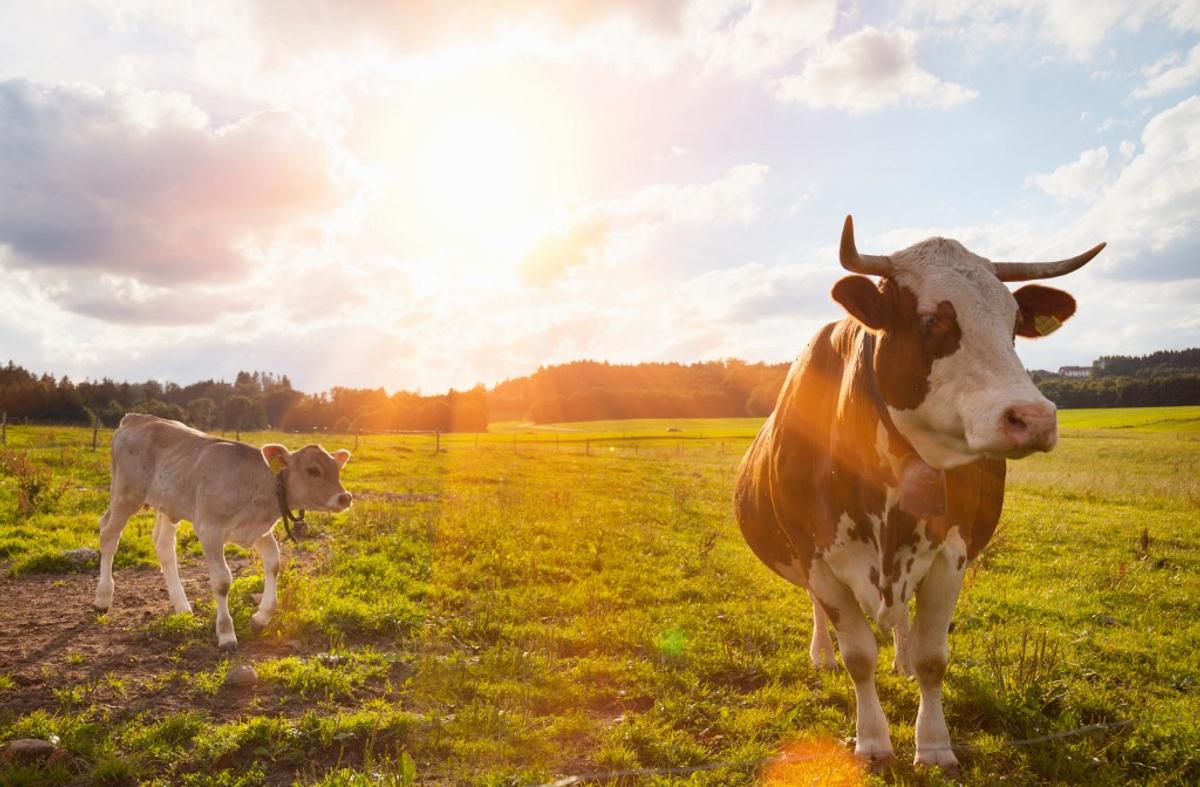
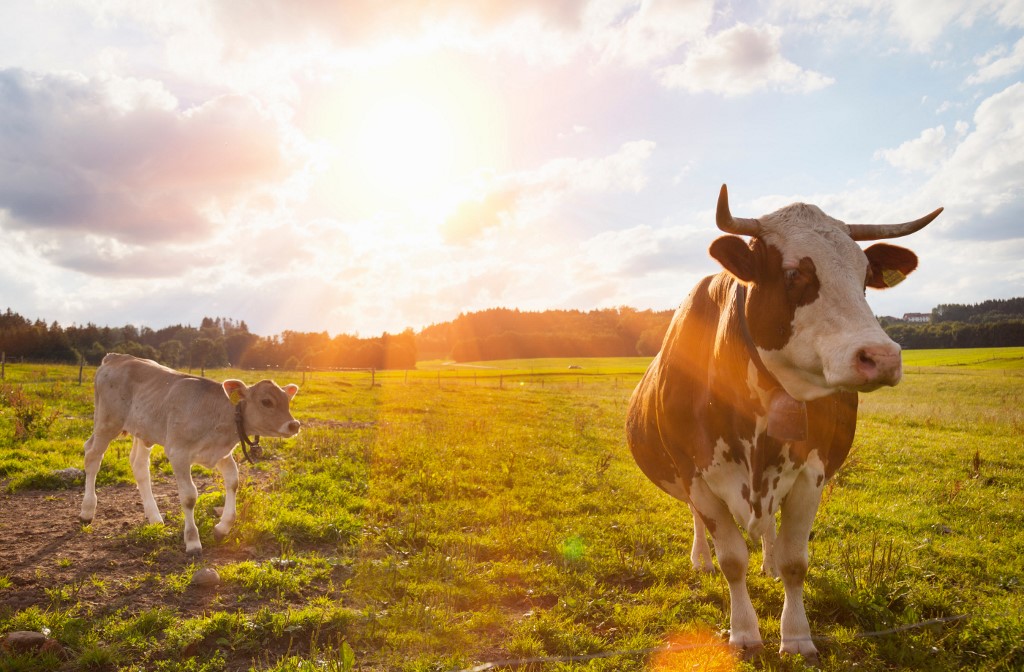
Cattle: St. Brigid of Kildare
There are several patron saints of cattle, surely due to the importance of these animals in daily life throughout history in Europe and beyond. St. Brigid is one of them. She's also the patron saint of dairy farmers.
St. Brigid was born in the mid-5th century. Her father was a pagan and her mother was a Christian slave. Brigid was thus a servant in her own father’s house. She helped the sick and the poor, including by giving away her father’s money. According to tradition, her father freed her from servitude so she would leave.
She became a nun and the foundress of convents throughout Ireland. Her patronage of livestock and dairy farmers may be due to her working in her father’s dairy, although it may also be linked to her being involved in dairy farming as part of the manual labor of monastic life.
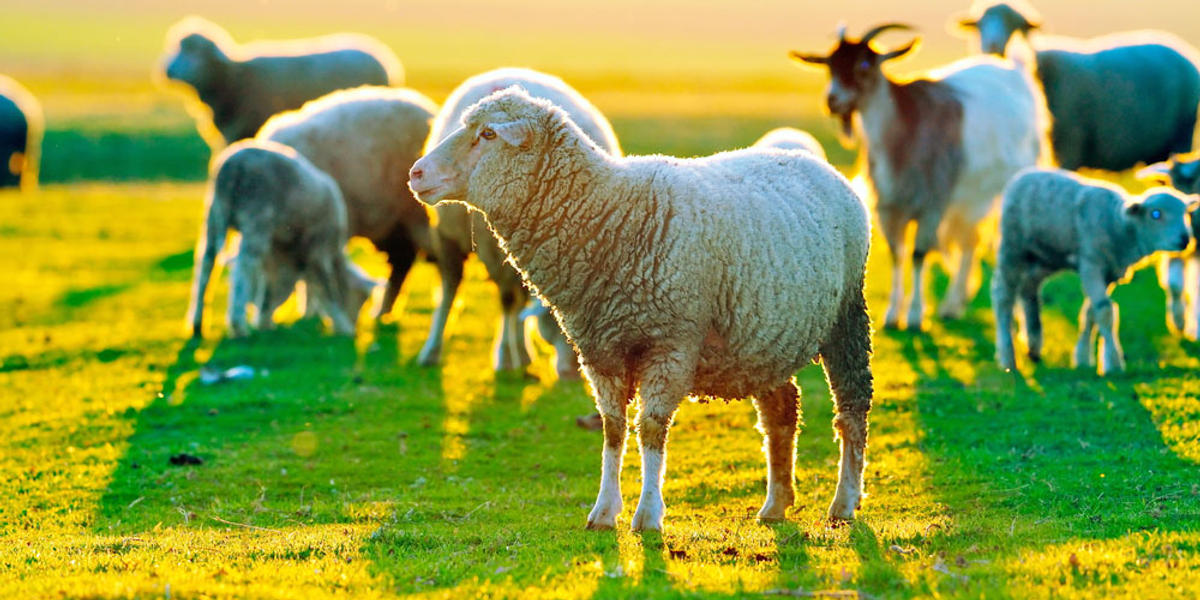
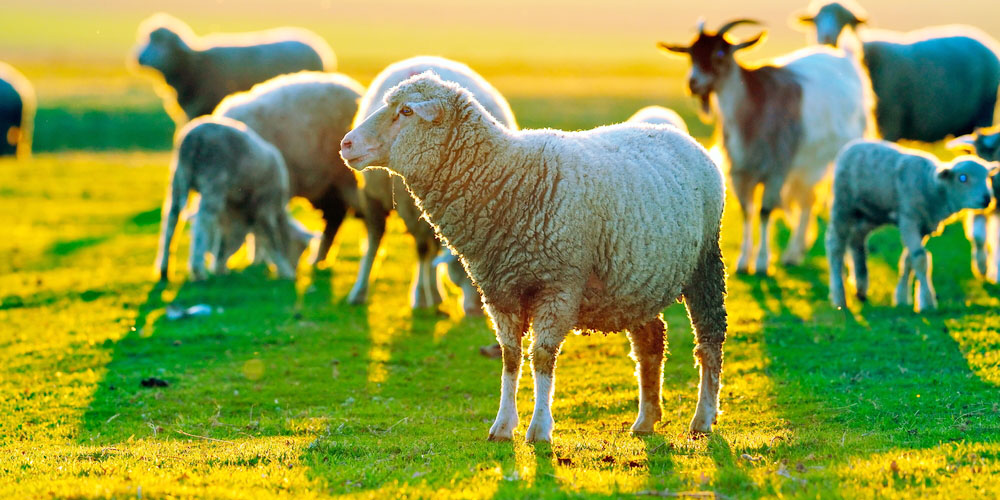
Sheep: St. Drogo
St. Drogo, a 12th-century noble from France, was orphaned when his mother died giving birth to him (his father had died during the pregnancy). From childhood, he practiced prayer, fasting, and abstinence, alongside works of charity. In his late youth, he gave all his inheritance to the poor and began to wander.
Drogo found employment as a shepherd, and showed a natural talent for this job, which is not as easy as it sounds. He even ended up teaching other shepherds how best to care for their sheep. Drogo continued to give to those who were poorer than he was, and to pray and attend Mass assiduously. According to tradition, he was known to bilocate, tending his flock in the field while attending Mass in the town.
After some years, he returned to wandering and making pilgrimages, then became an anchorite back in the town of Sebourg where he had been a shepherd. He died around 1186, and is the patron saint of shepherds.
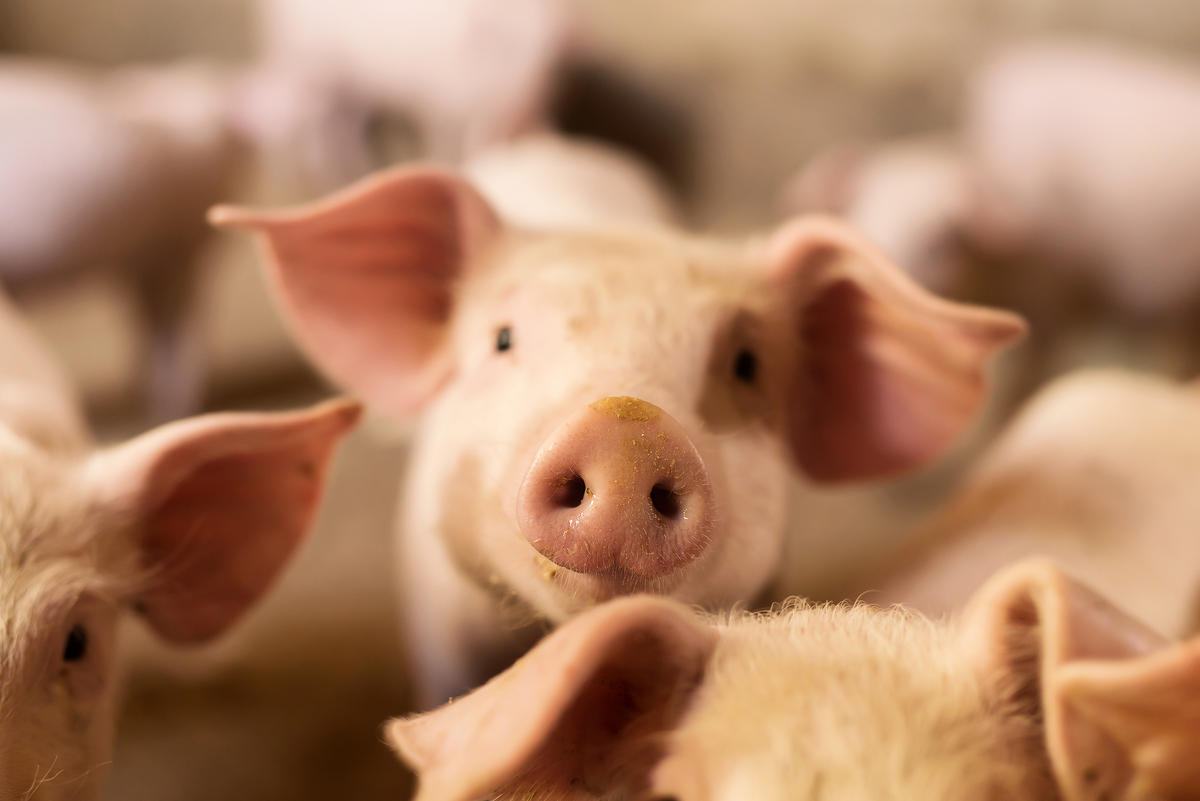
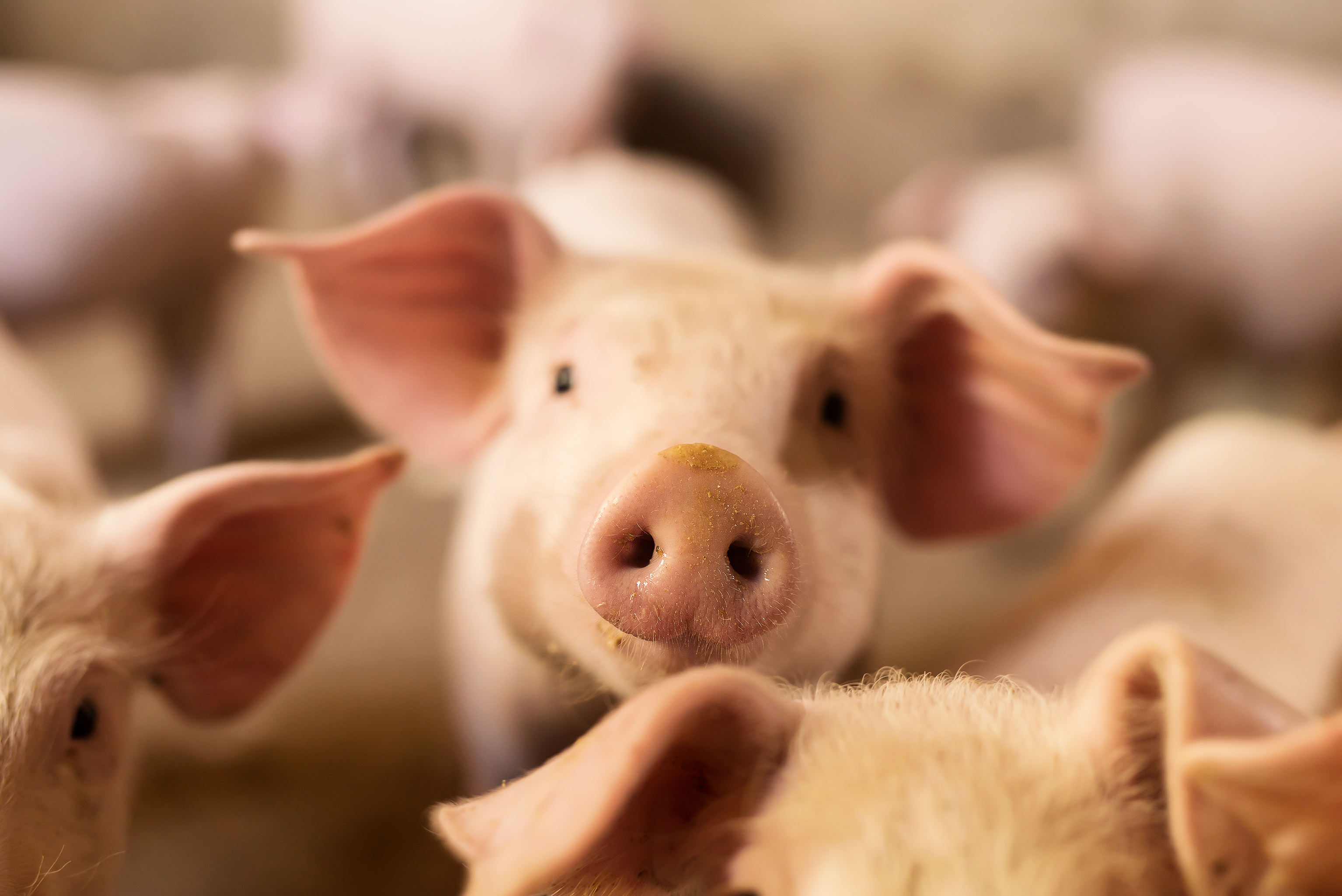
Pigs: St. Anthony the Great
St. Anthony the Great—also known as St. Anthony the Abbot or St. Anthony of Egypt—lived from 251 to 356. Orphaned at the age of 20, he took up stewardship of his family’s large property. Inspired by the Gospel, he ended up giving everything away.
His sister joined a community of religious women (although nuns and sisters as we know them didn’t exist yet). For his part, Anthony withdrew into increasingly greater solitude, dedicating himself to prayer and asceticism. He fought terrible spiritual battles against the temptations of the devil, immortalized in many later works of art.
Others followed his example and guidance, joining him in the desert. He thus came to be considered the founder of organized Christian monasticism.
St. Anthony is the patron saint of pigs. Vatican News states that in religious images he began to be portrayed with a pig, because these animals were raised by an ancient hospitaller order named after the saint. They used pig fat as part of a medical treatment. Thus arose the association and, eventually, his patronage of pigs. However, other sources offer other explanations.
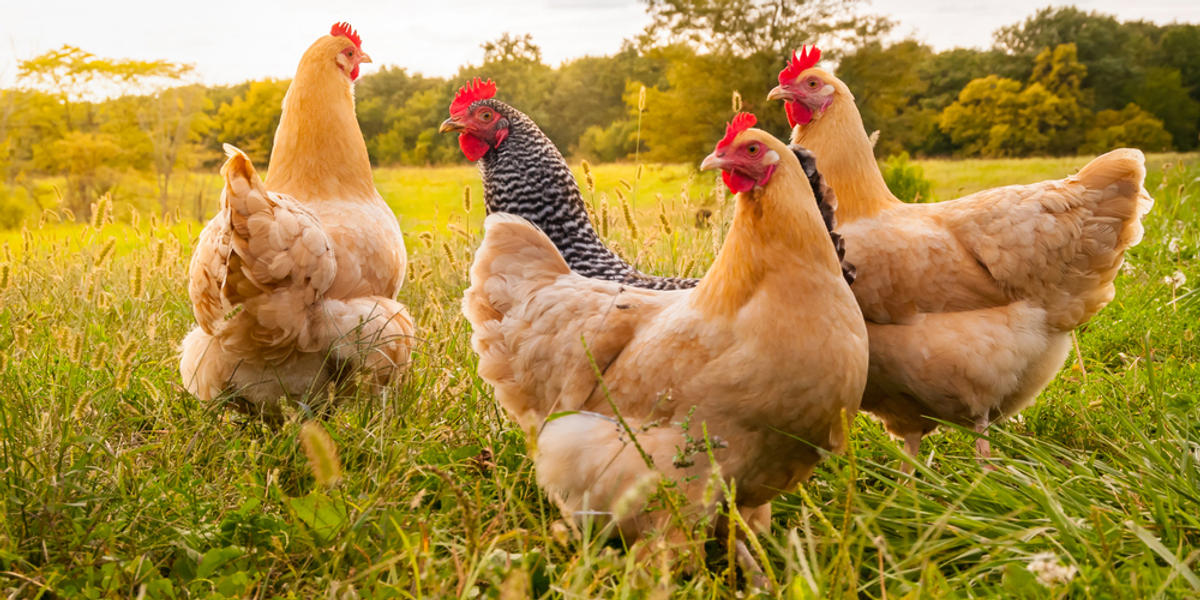
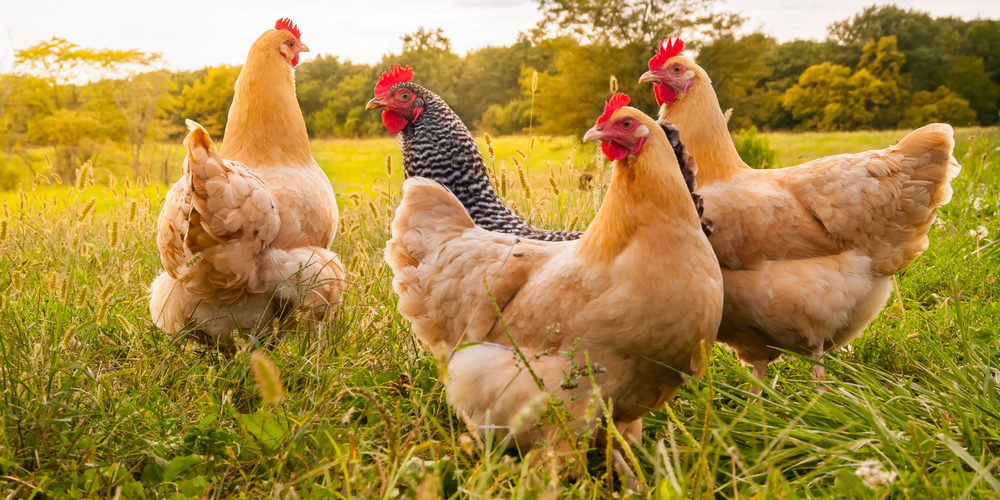
Chickens, geese, and other birds: St. Gall
This Irish-born missionary and scholar was a companion of St. Columban, and lived in the 6th and 7th centuries. With St. Columban he traveled to France and then Switzerland, where he lived as a hermit. His hermitage became a monastery when other men joined him as monks. Gall repeatedly turned down being made an abbot or bishop.
The origin of his patronage of poultry and birds in general isn’t very clear. However, his name in Latin, “Gallus,” means “rooster,” and this could be the source of the association. Another possibility comes from the story of how he performed an exorcism on a woman named Fridiburga; according to legend, the demons left her body through her mouth in the form of a black bird.
Other farm animals
There are many creatures that humankind has domesticated, whether for their meat or for what they produce, and there are more patron saints associated with them—such as bees, whose patron is St. Ambrose, or goats, for which we can invoke St. Mamas (also called Mamantus or Mamontius). We can’t list them all here, but a careful search of the Internet can turn up reliable sources with helpful information.
In any case, what matters most is that we pray, whether directly to God or by asking a particular patron saint to intercede for our intentions.