Malta, a small Mediterranean archipelago, has a Christian heritage spanning 2,000 years and a deep devotion to the Virgin Mary, earning it the title of "Marian fortress." The nation has 359 churches, over 200 dedicated to Mary, ranging from grand basilicas to small chapels, and has long attracted pilgrims seeking spiritual solace.
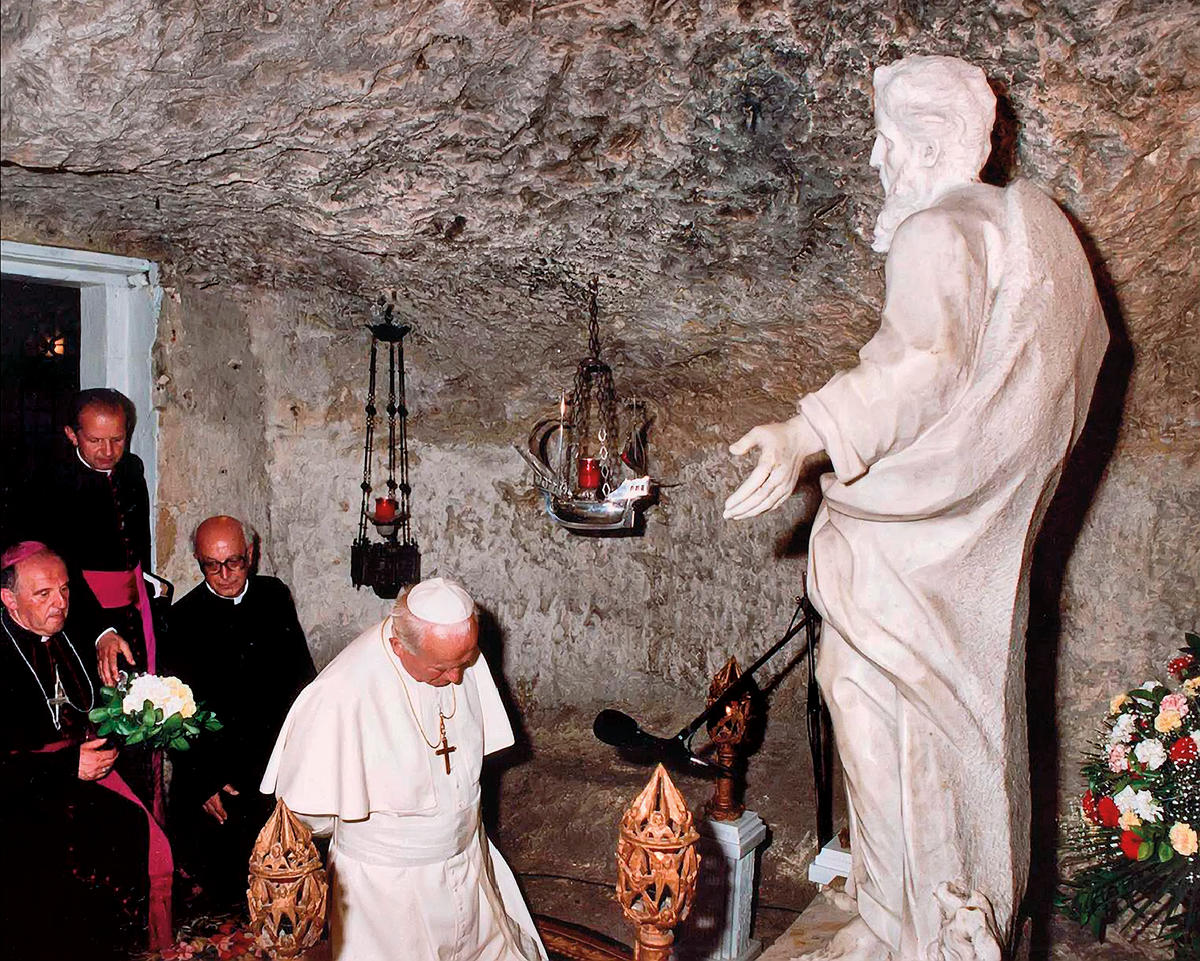
Malta's Christian roots trace back to AD 60, when the Apostle Paul and Evangelist Luke were shipwrecked on the island's shores while traveling to Rome, an event documented in the Acts of the Apostles. Unlike other sites of Paul's ministry, Malta represents a moment of crisis and vulnerability in his journey—one defined by shipwreck, rescue, and hospitality rather than deliberate missionary strategy. This gives Malta a distinctive spiritual character, offering pilgrims a chance to encounter Paul as a vulnerable traveler shaped by providence and human kindness, rather than as a letter-writer or strategist.
During his time on the island, Paul reportedly performed numerous healings and miracles, sparking widespread conversions among the Maltese population, including the family of Publius, the island's Roman governor. This encounter laid the foundation for Maltese Christianity, connecting it to early Christian communities in Jerusalem, Ephesus, Corinth, and Rome, and establishing Malta's unique place within the broader Mediterranean pilgrimage tradition.
Marian devotion
Tradition credits Saint Luke, author of the most Marian Gospel, with introducing Marian devotion to Malta during the apostolic visit, making veneration of Mary central to the island's earliest Christian communities. This heritage is reinforced by Malta's archaeological record: Saint Paul's Catacombs in Rabat, dating to at least the 4th century, form one of the largest early Christian underground networks outside Rome, complete with rock-cut agape tables (triclina) used for funeral banquets. Historical texts confirm Malta had a bishop by AD 553.
After the 313 AD Edict of Milan legalized Christianity, Malta's sacred sites underwent transformation, as pagan temples were converted into churches. Tas-Silġ evolved from a Neolithic fertility site and Phoenician temple of Astarte into a Byzantine basilica around AD 450, close to the Council of Ephesus of AD 431, when such basilicas were typically dedicated to the Theotokos.
Similarly, Gozo's Cathedral, built atop a Roman sanctuary to Juno, was likely consecrated to the Dormition of Mary. Additional sites, like the semi-troglodytic church in Bormla, further reflect this layered religious history, illustrating how pagan and Christian traditions intertwined to shape Malta's distinctive spiritual identity. This Marian devotion remains vibrant today, visible in public statues, home niches, and the traditional summer festas featuring solemn processions and communal celebration. These practices sustain collective memory and reinforce social bonds rooted in centuries of faith and reliance on Mary's intercession.
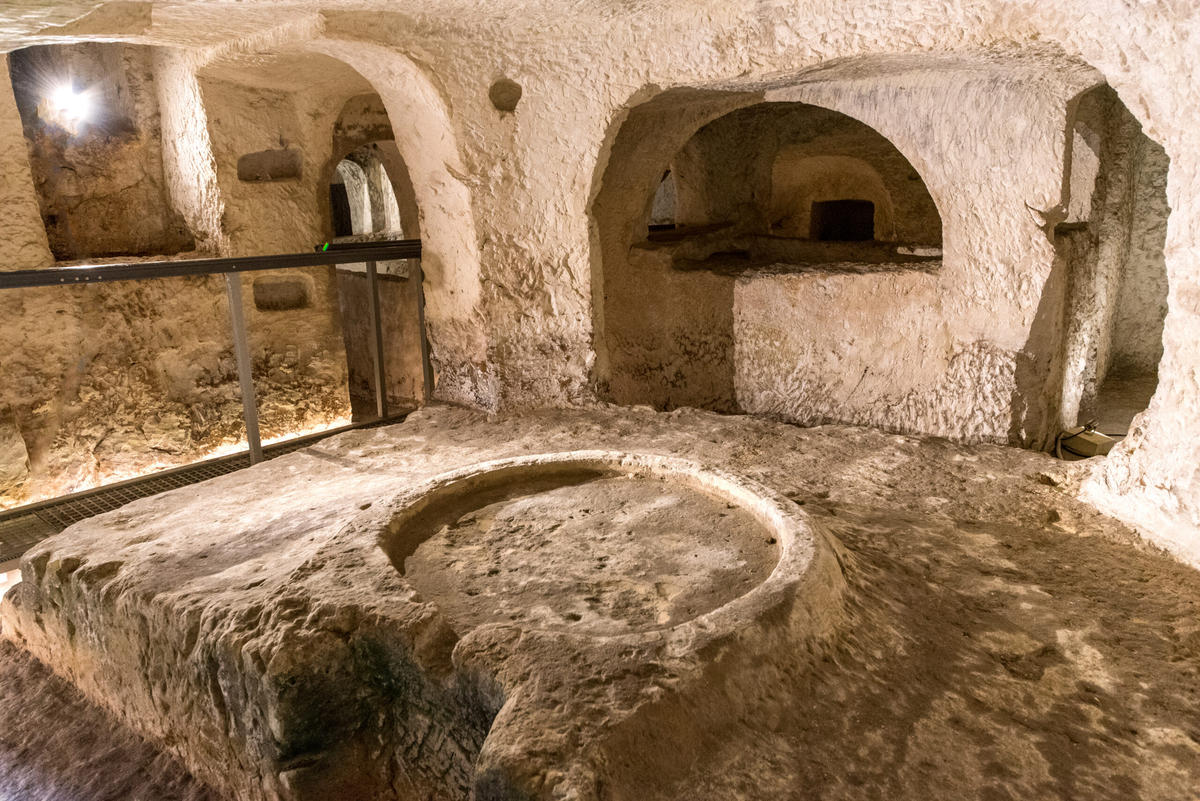
Ultimately, Malta represents a living testament to an unbroken, two-thousand-year Christian tradition centered on Marian devotion. Its churches, catacombs, and sacred landscapes weave together history, culture, and faith, offering both scholars and pilgrims a unique window into how ancient belief and lived practice continue to define the archipelago's identity today. Exploring these sites invites visitors into an ongoing story of resilience, gratitude, and devotion — one where Mary's presence has remained a constant thread through Malta's religious and cultural evolution, from apostolic times to the present day, continuing to inspire faith across generations of Maltese people.
Fortresses of Faith: The Nativity of Mary, the Great Siege and Lepanto
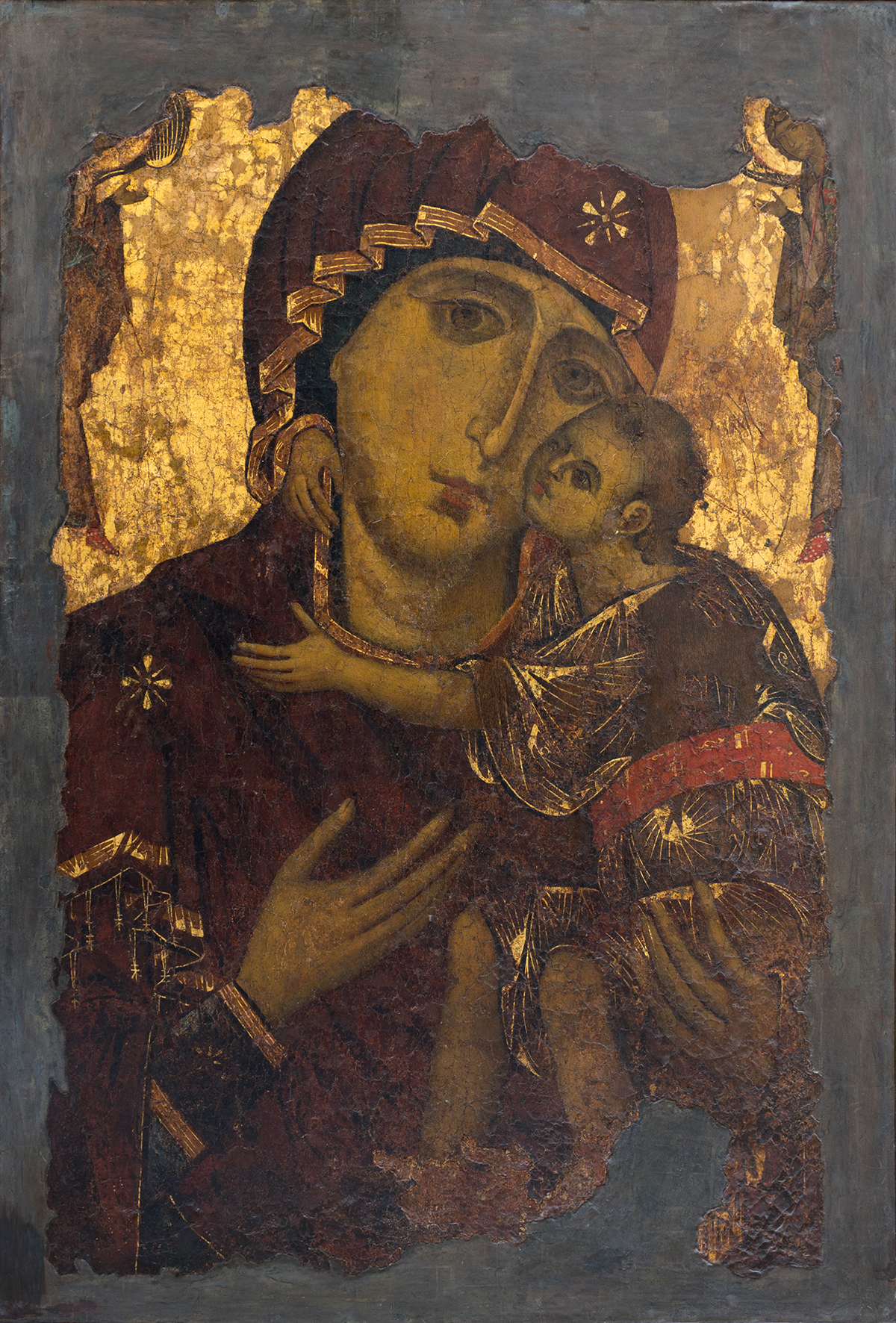
Given its strategic Mediterranean location, Malta has long been a site of military conflict, with residents turning to the Virgin Mary for protection. This devotion became deeply embedded in Malta's military history and identity. The Great Siege of 1565 was a pivotal moment for Malta, Europe, and Christianity: the Ottoman Empire launched a massive assault with over 200 ships and roughly 30,000 troops, aiming to defeat the Knights of Saint John, who served as a bulwark against Ottoman expansion. Despite being vastly outnumbered, the Knights and Maltese defenders withstood a brutal four-month siege. Grand Master Jean Parisot de la Valette drew spiritual strength by praying before the icon of Our Lady of Damascus in Birgu, which became a symbol of hope for the defenders.
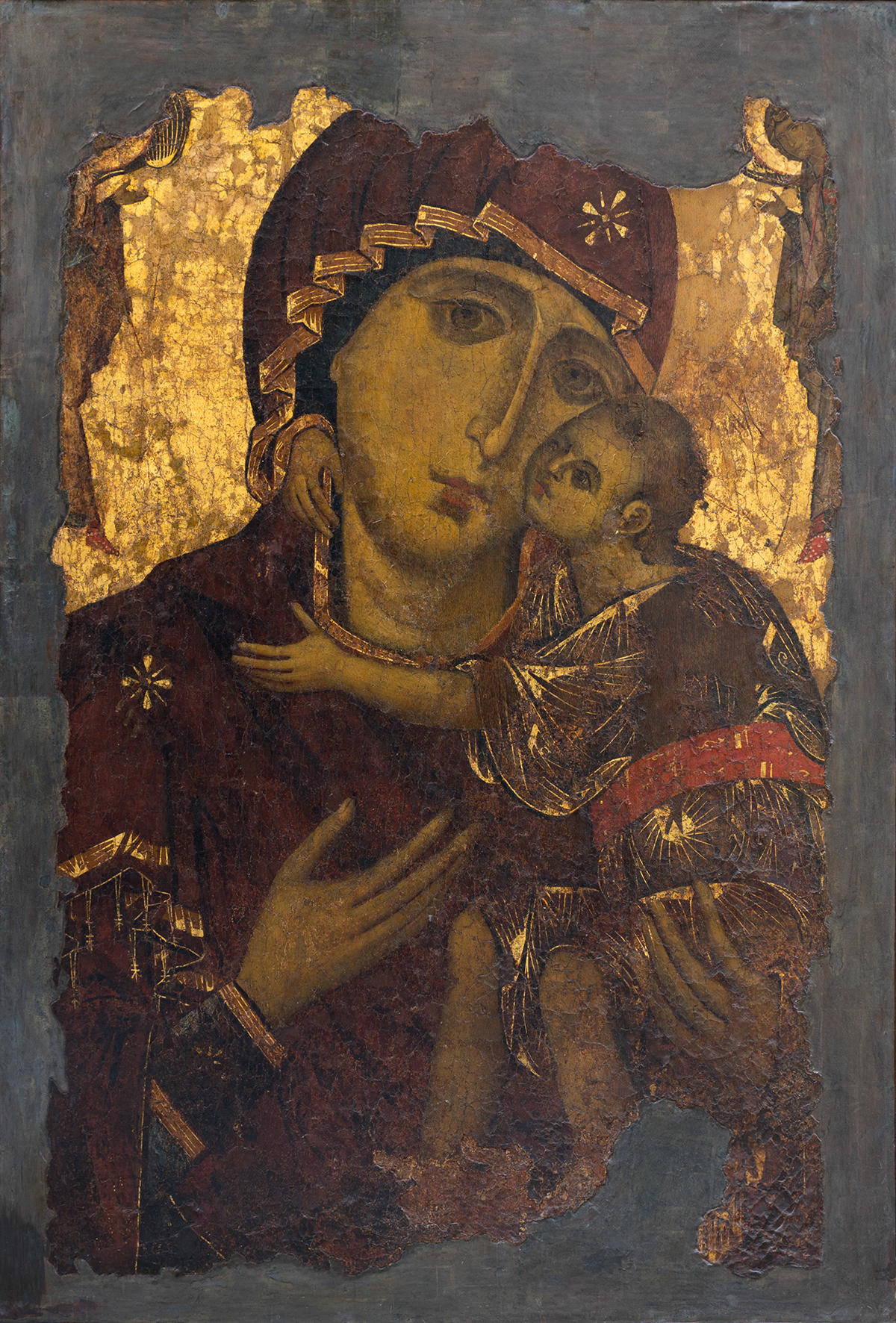
This 11th-century icon, along with the 13th-century Our Lady of Mercy icon, had been brought to Malta by Christian refugees fleeing Ottoman invasions of Rhodes. Rendered in typical Byzantine style with gold and dark purple tones, the icons were venerated by the Knights and Maltese alike. De la Valette prayed regularly before the Damaxxena during the siege, and afterward offered his hat and sword in gratitude - items still displayed in the Birgu parish museum. Following the siege, Birgu was renamed Città Vittoriosa in honor of the victory. In 1587, the icons were ceremonially moved to a newly completed Greek Catholic church in Valletta, where they remain venerated as enduring symbols of Malta's deliverance and faith.
Mary’s Nativity brings hope, victory and life
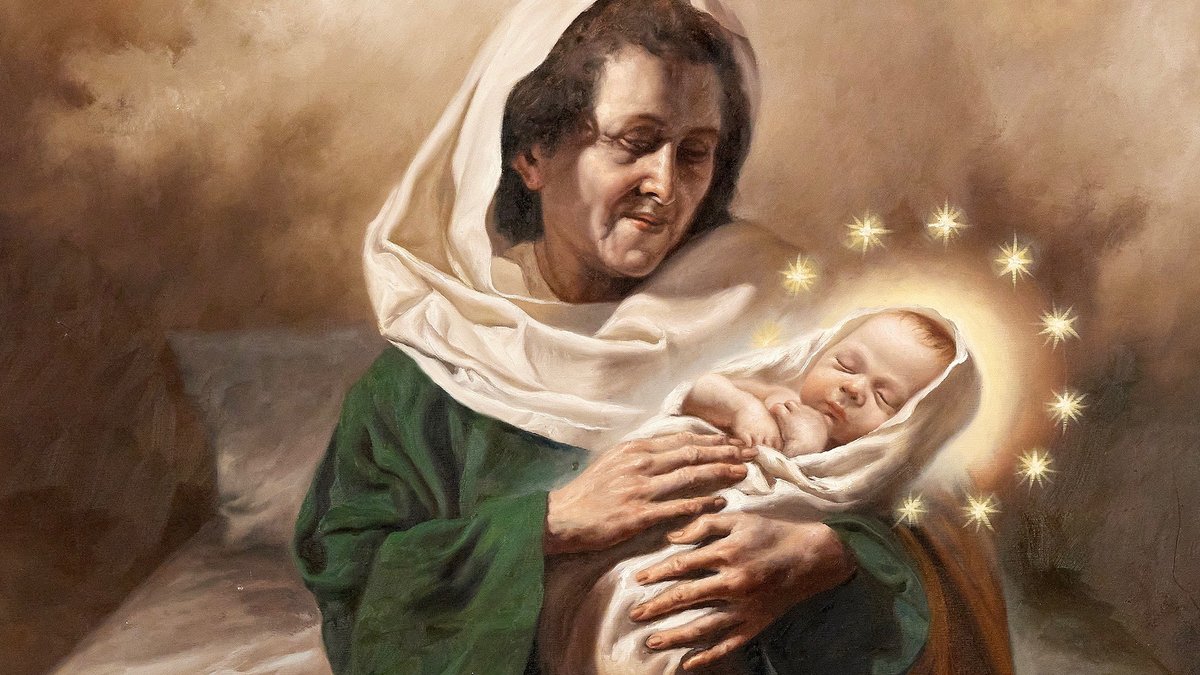
The Siege reached its climax on September 8, 1565, which coincided with the Feast of the Nativity of the Virgin Mary. In a surprising turn of events, the Ottoman forces unexpectedly retreated, a moment that the defenders attributed to the intercession of Our Lady of Victory. De la Valette expressed his gratitude by laying his hat and sword before the altar in Birgu as a votive offering, solidifying the title of Our Lady of Victory. This miraculous deliverance not only preserved Malta from destruction but also galvanized the Maltese people's faith, further entwining Marian devotion with their national identity.
Therefore, September 8 holds dual significance for the Maltese people, marking both the liturgical feast of the Nativity of the Blessed Virgin Mary and the national commemoration of Il-Vitorja (Our Lady of Victory), together capturing Malta's spiritual and cultural identity. For the Maltese, this date is more than religious observance - it symbolizes national pride and historical resilience, commemorating the miraculous deliverance during the Great Siege of 1565 and the enduring Marian devotion central to Maltese culture.

In the aftermath of the siege, Grand Master de la Valette recognized the need to fortify Malta further. In 1566, he founded Valletta, the island's new capital, as a strategic stronghold against future threats. The Church of Our Lady of Victory was constructed as the first building in Valletta, serving as a testament to the divine assistance credited for their survival during the siege. The establishment of Valletta marked a new era for Malta. The city became a symbol of resilience and faith, encapsulating the spirit of the Maltese people. The architectural design of Valletta, with its fortifications and churches, reflected both military necessity and a deep commitment to faith. The Church of Our Lady of Victory became a pilgrimage site, drawing visitors who sought to honor the Virgin Mary and the miraculous events of the siege.
Lepanto – Mary keeps her gaze on her children
The victory at the Great Siege of Malta inspired the Holy League, a coalition of Christian states that united against the Ottoman Empire. This coalition achieved a significant victory at the Battle of Lepanto in 1571, a naval engagement that marked a turning point in the struggle for control of the Mediterranean.Pope Saint Pius V attributed the victory at Lepanto to the intercession of the Virgin Mary, leading him to establish October 7 as a feast day dedicated to Our Lady of the Rosary. This event further solidified the connection between Marian devotion and military triumphs in Malta and beyond. The establishment of Malta's first Rosary confraternity emphasized the role of prayer in achieving these victories, uniting the faith of the people in a collective effort.
Final thought
Malta's identity is deeply intertwined with its Christian heritage, shaped by a rich tapestry of history, culture, and unwavering Marian devotion. The events surrounding the Great Siege of 1565 and the subsequent victories at Lepanto serve as pivotal moments that not only defined Malta’s military history but also reinforced its spiritual landscape.
September 8 stands as a powerful symbol of resilience and faith, embodying the collective memory of a nation that has faced adversity with unwavering devotion. The vibrant traditions that continue to flourish today - from public celebrations to architectural tributes—reflect a profound commitment to preserving the sacred history that defines Malta as a Marian fortress in the Mediterranean. In essence, the narrative of Malta is one of survival, faith, and the enduring influence of Marian intercession. The island’s journey through tumultuous times, guided by a steadfast belief in the Virgin Mary, offers a profound testament to the enduring power of faith to shape cultural identity and national resilience.