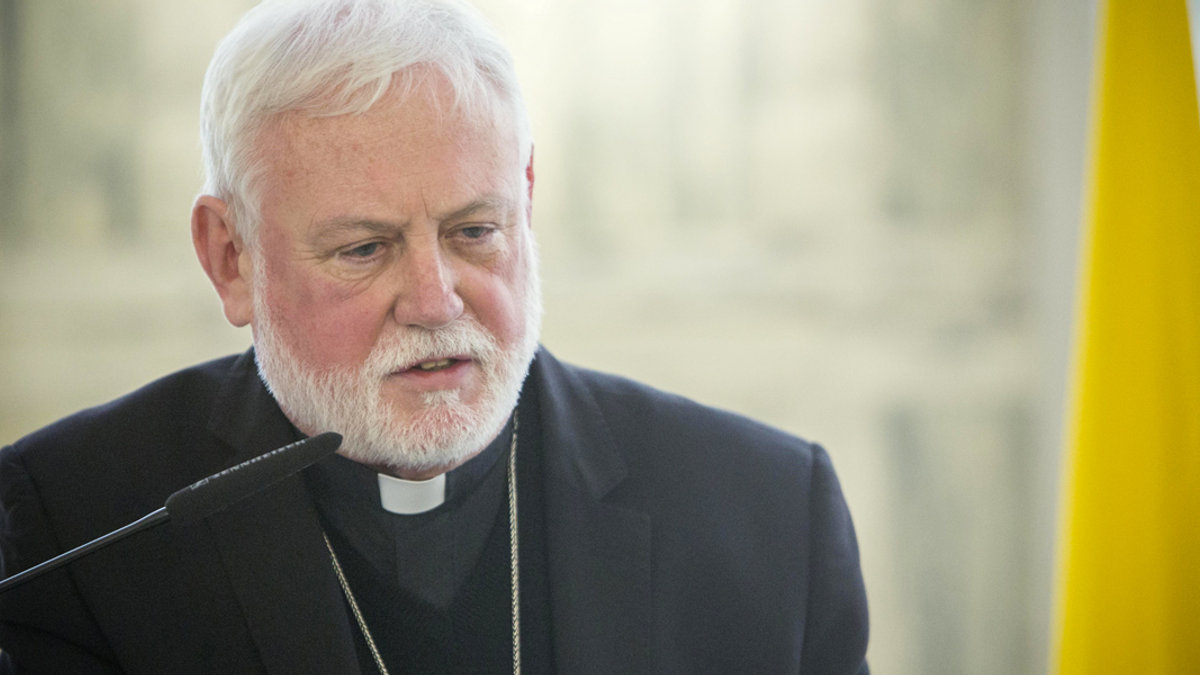
After a recent visit to Russia, Archbishop Paul Richard Gallagher spoke to Vatican News about diplomacy and the need to support small Catholic communities.
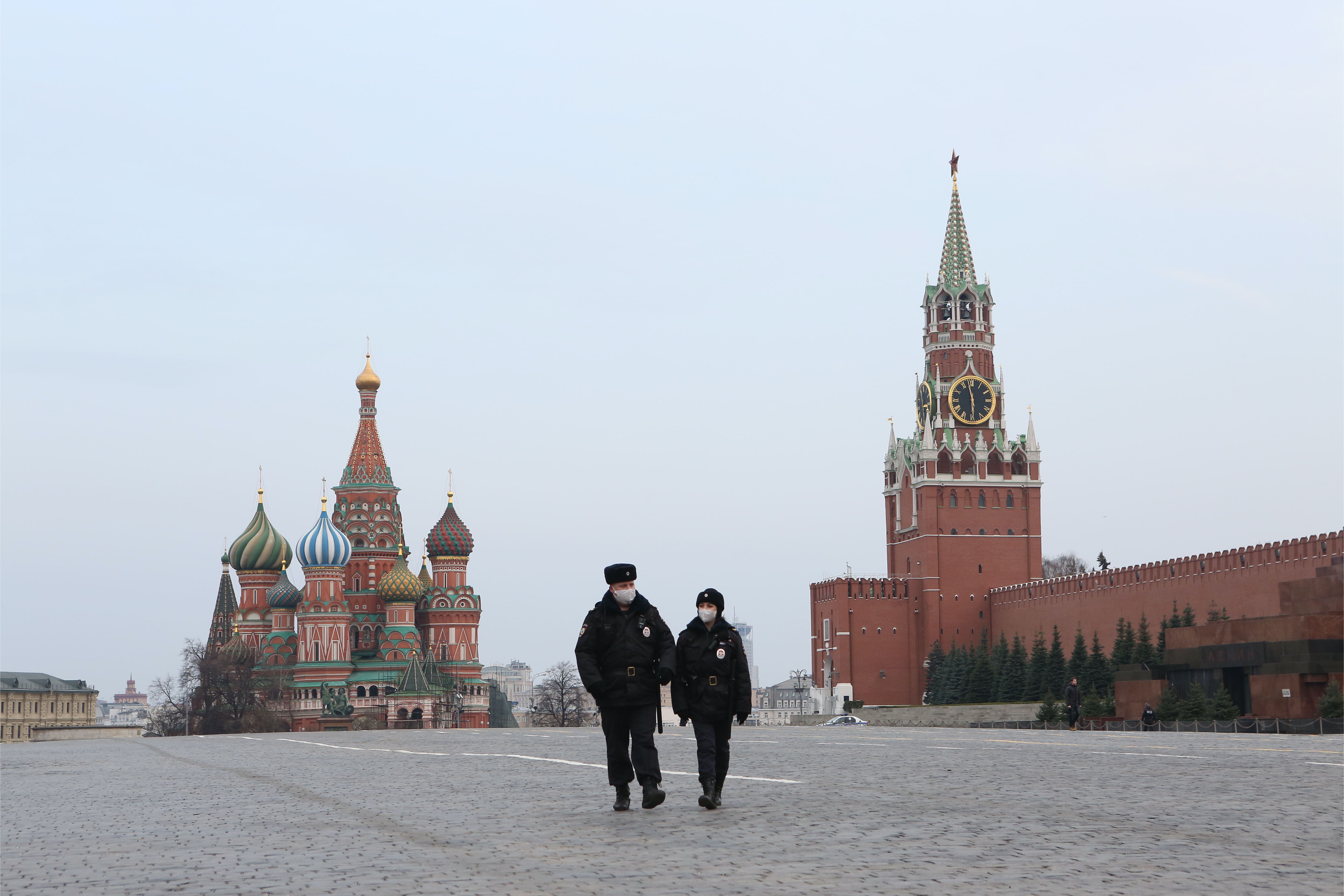
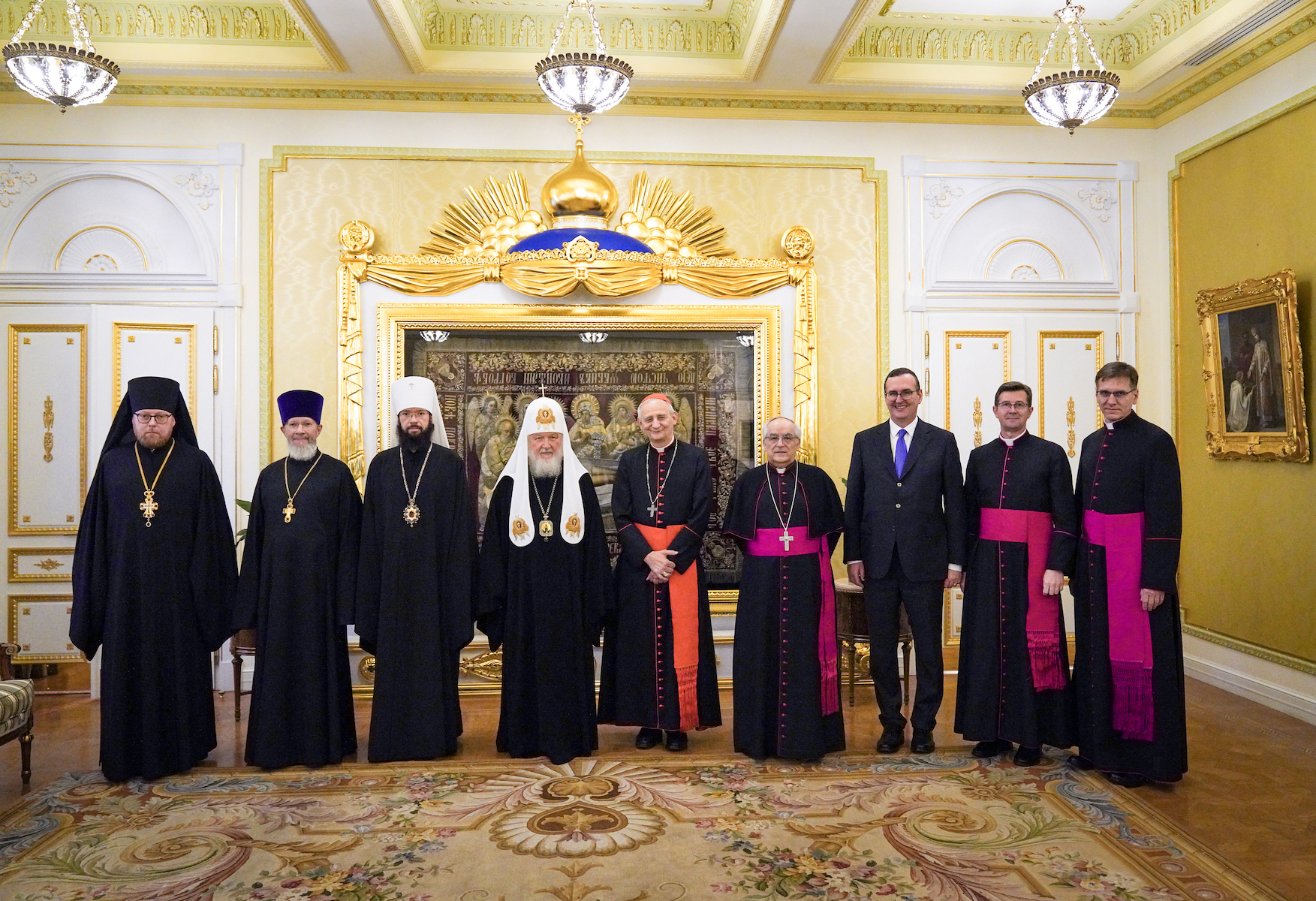
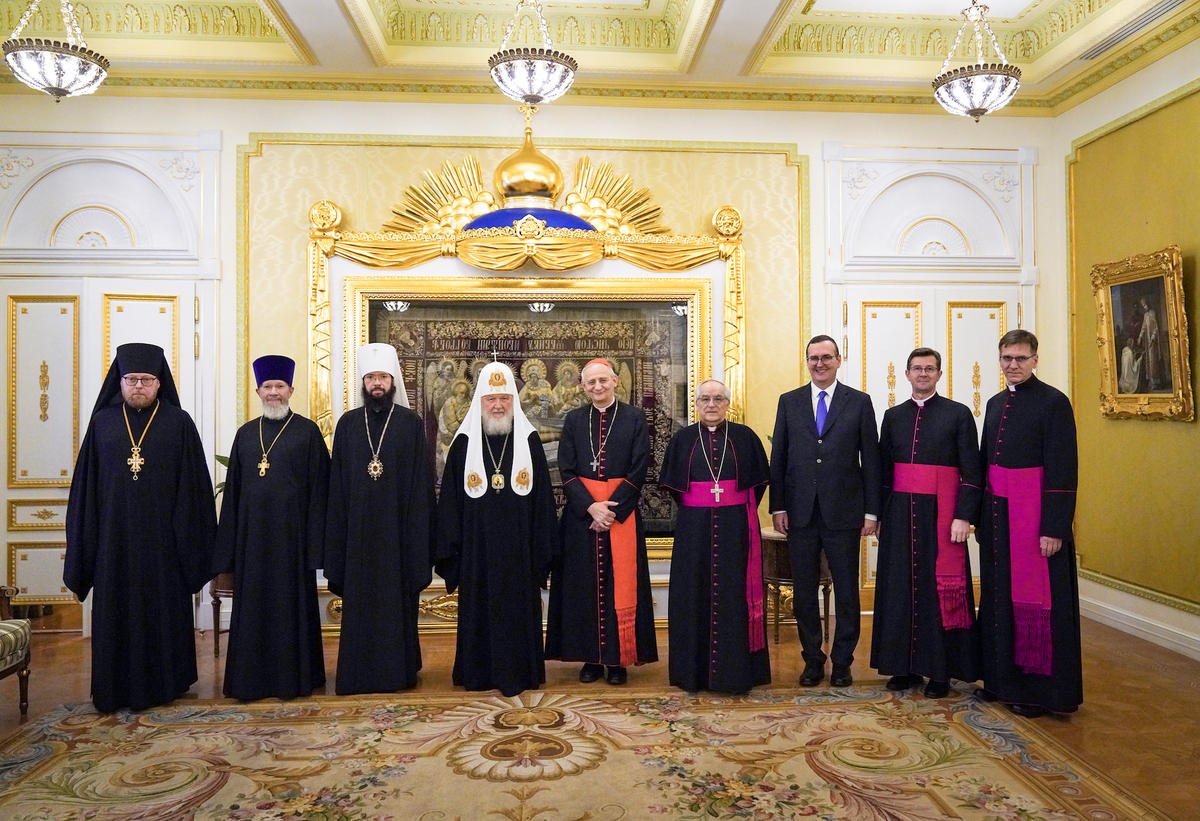
Archbishop Paul Richard Gallagher, the Holy See’s Secretary for Relations with States and International Organizations, visited the Russian Federation from August 24 to 28. During the trip, he met with Russian civil and religious leaders and with members of the Catholic community.
Upon his return, he gave an interview to Vatican News. Two main themes emerged: the importance and difficulty of dialogue as the means to bring about peace, and the vitality of the minority Catholic presence in Russia.
Every war ends with negotiation
Regarding the war in Ukraine, the archbishop emphasized that dialogue and negotiation are essential. “[H]istorically, all conflicts, all wars end with a negotiation, with an agreement, and then one begins to restore relations between the former belligerents,” he told Vatican News reporter Stefano Leszczynski.
However, he also recognized that diplomacy between Russia and Ukraine is becoming more challenging as time passes. “It is a difficult dialogue, because the longer the war continues, the more difficult it will be to restore relations,” he pointed out. “There are many victims, many open wounds.”
Still, he said, “we, as a Church, have the responsibility and the duty to proclaim” diplomacy as the path that “promises a possible solution.”
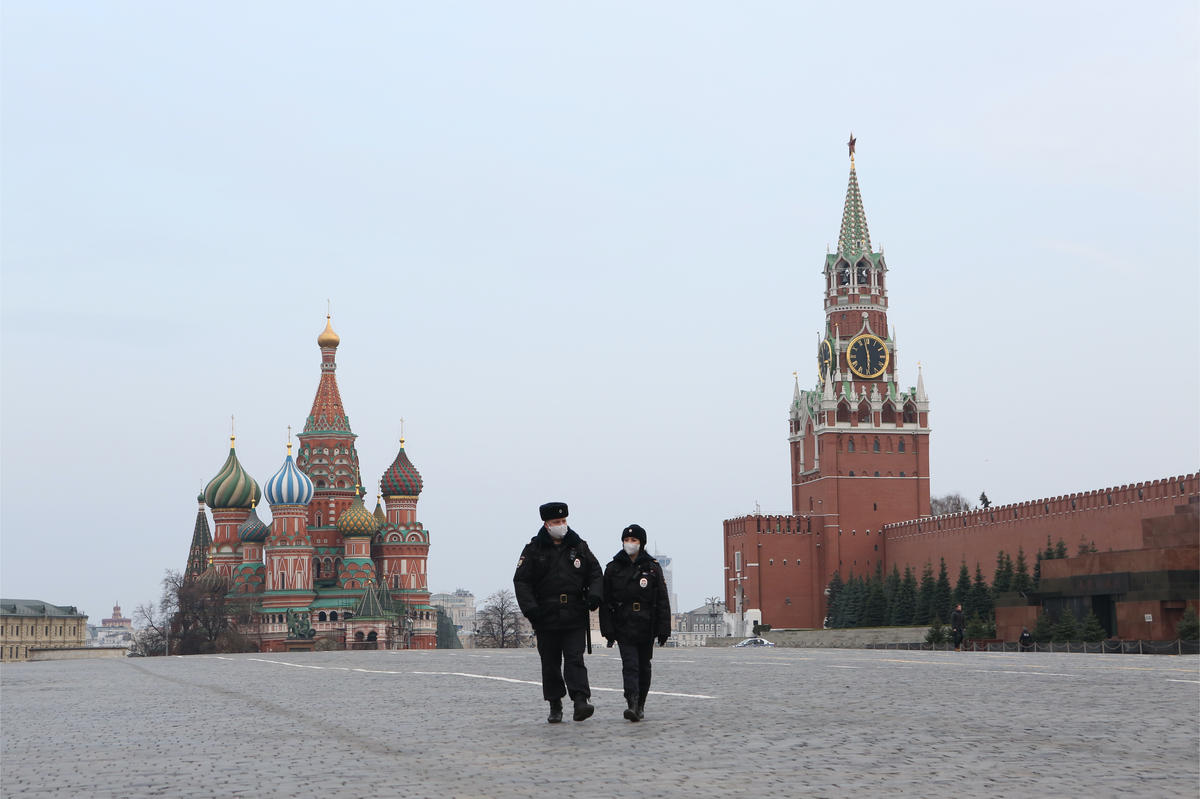
“We went to Moscow to speak of peace, to encourage souls troubled by war, and to say: have courage, embrace the path of peace, have the hope of believing in a better day,” he said.
However, Archbishop Gallagher refrained from making specific proposals. “The Holy See does not enter into the details of the negotiations, nor does it propose technical solutions,” he told Vatican News. “This is the direct responsibility of the belligerent parties. The Holy See, instead, recalls this responsibility and invites them to show goodwill in order to seriously begin a dialogue.”
No one can resolve anything alone
The Church has sought to facilitate diplomacy between Russia and Ukraine, he noted, through its own diplomatic offices. However, he admitted, the proposal was rejected. “It does not seem that there is a desire for direct involvement on the part of our diplomatic offices,” he said. “But the gesture was appreciated.”
Although the Holy See’s offer has not been accepted, Archbishop Gallagher emphasized the need for outside involvement in the peace process. “In today’s world no one can resolve anything alone,” he said. “Both Russia and Ukraine need the international community, they need their alliances.” In the meantime, Gallagher repeated that “the Holy See is available to help in any way.”
The Vatican’s approach has included keeping diplomatic channels open with both Russia and Ukraine, a move that has sometimes been criticized. To some observers, it seems to put both the aggressor and the victim on equal footing. Nonetheless, he explained, “We are convinced that this is the road to follow and that isolating people, countries, frankly, does not help.”
He acknowledged that while this is the path that the Holy See has chosen, it is not the only option. “Every State has every right to decide its own strategy autonomously,” he admitted. Still, “we invite reflection on whether the strategies implemented so far are producing results in resolving this tragedy.”
Humanitarian efforts
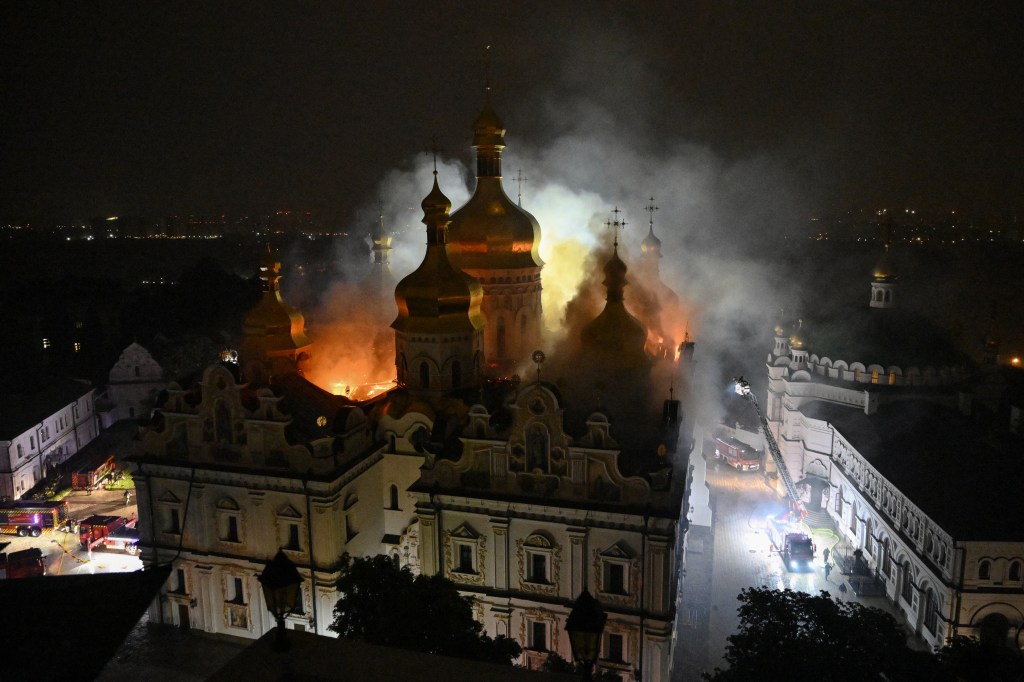
Where the Holy See’s intervention has been welcomed is the area of humanitarian action. “This dimension is fundamental,” Gallagher noted, “and, in this area, the Holy See is already offering its contribution, a commitment that so far has been greatly appreciated.”
When asking about this aspect of the cardinal’s visit, the interviewer specifically mentioned the work of Cardinal Matteo Zuppi, who has visited both Russia and Ukraine. The Italian cardinal has helped negotiate the return to Ukraine of children who had been taken by force to Russia. His efforts were also key in obtaining the release of Greek Catholic priests detained by Russian authorities.
“We hope that Cardinal Zuppi’s peace mission will continue,” Gallagher said, “and that he will be able to return promptly to Moscow.”
Catholics in Russia
During his trip, he met with local Catholic clergy and members of men’s and women’s religious communities. He recounted to Vatican News how he encouraged them, telling them that they are “already agents of peace, and they are so in their daily lives, every time they build small bridges.”
When they “carry forward the charitable works of the Church” in education and healthcare, it is a “tangible manifestation of the Church’s commitment in favor of reconciliation and peace.” These actions are “infinitely more eloquent than any word.” He emphasized that although Catholics in Russia are “very few in number” and have “very limited resources,” they still have an impact.
He noted that, during his encounter with them, they didn’t “complain about their conditions”; rather, he “perceived their joy.”
He presided over a solemn Mass at the Cathedral of the Immaculate Conception on the last full day of his visit. The Eucharistic celebration was “very well-attended” and drew many young people. Despite Catholics being a small minority, he said, “seeing them gathered in this beautiful cathedral to witness to the vitality of their faith impressed me greatly.”
“The universal Church must think about how to support these communities more, encouraging their pastors and the faithful, and maintaining spiritual bonds,” he concluded.