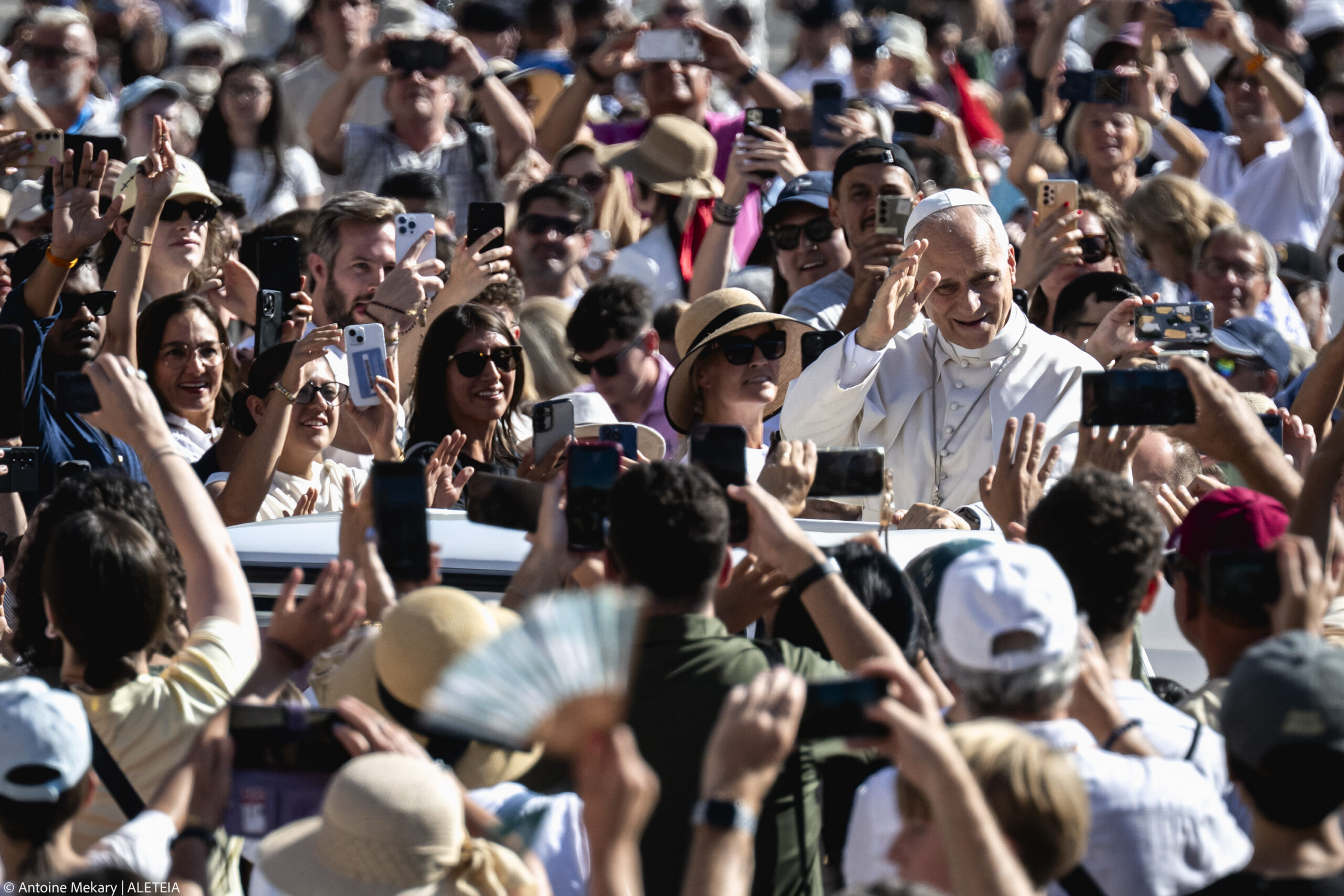
Two popemobiles and a golf cart are accompanying Pope Leo XIV on his upcoming trip to France, requiring some road transport logistics.
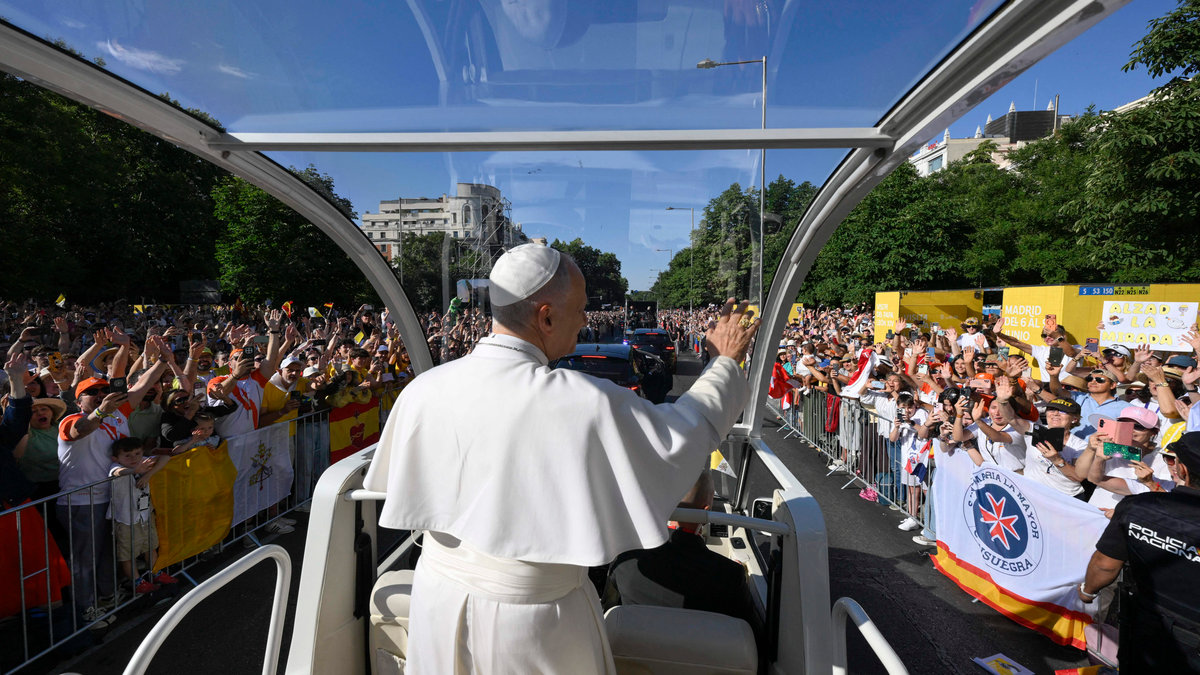
During his visit to France from September 25 to 28, Pope Leo XIV is expected to make two major tours in the popemobile: on September 25 along the streets of Paris, and on September 28 in Metz. It’s also likely that the Pontiff will greet the crowds from the famous white vehicle during Masses at the Place de la Concorde and in Lourdes.
The popemobile will therefore be an important piece of equipment during this trip, as is usually the case when the Pope travels abroad. According to our information, the Vatican will send three vehicles to France: two popemobiles and a golf cart.
Bringing two popemobiles will simplify logistics between the different stops on the trip and guard against the possibility of one breaking down. The Vatican prefers using a golf cart to greet crowds in places like stadiums. Therefore, the Pope will likely use one during the youth vigil at the Stade de France on the evening of September 25.
The popemobile is “practically the only piece of equipment that we take with us,” former papal trip organizer Archbishop Renato Boccardo told the media outlet Le Temps. “Besides that, everyone leaves with their suitcase.”
Popemobiles are slightly bulkier than a simple suitcase. The model currently used by Pope Leo XIV is a fully electric Mercedes-Benz G-Class, which weighs several tons.
A secret road trip
So how will these vehicles reach Paris, Lourdes, and Metz? There is no question of having them driven the 890 miles that separate the Vatican from the French capital. Because they are highly recognizable, modified for papal use, and have limited driving ranges due to their battery capacity, popemobiles are not designed for such long journeys. The Holy See must therefore consider other options.
Although some media outlets claimed the popemobiles would fly to France on a cargo plane, this is not the case. According to several high-ranking sources involved in organizing Pope Leo XIV’s visit, the vehicles will be transported to France by truck. They’re expected to arrive a few days before the Holy Father, and will be stored in an undisclosed location. The Vatican is responsible for organizing this transportation.
Once in France, the local authorities will take charge of moving the famous cars bearing the “SCV 1” license plates from site to site, according to a source involved in planning the trip. They will also be transported by truck between Paris, Lourdes, and Metz.

Air transport or local solutions
Road transport is generally the preferred option for popemobiles traveling to countries near Italy. This is how Pope Leo XIV’s vehicle was transported to Monaco during his apostolic visit in March 2026.
When shipping by truck isn’t feasible because the destination country is too far away or inaccessible by road, the Vatican opts for air transport. During Pope Leo XIV’s trips to Africa in April 2026 and Spain in June, the popemobiles were flown in. A cargo plane — specifically an Airbus A400M for the Spain trip — typically handles the transportation of the Pope's vehicles.
However, the Holy See does not always go to the trouble of shipping popemobiles. When the costs of transporting them would be exorbitant, vehicles are occasionally customized directly in the host country. This was the case in particular in 2016 during Pope Francis's trip to Mexico. A Dodge Ram 1500 Classic was transformed into a popemobile and gifted to Pope Francis by the Mexican people.
This specific car became particularly famous in April 2025. Converted into a hearse, it carried Pope Francis on his final journey from the Vatican to the Basilica of St. Mary Major, where he is now buried.
Beyond the popemobile
Popes don’t travel exclusively in popemobiles during their apostolic journeys. For most routine travel, they use local cars provided by the host country. These vehicles invariably bear the license plate “SCV 1,” which stands for Status Civitatis Vaticanae 1 (Vatican City State 1).
While Pope Francis preferred to travel in a Fiat 500 or a similarly modest city car, Pope Leo XIV has opted for larger vehicles, such as passenger vans or spacious sedans, since the beginning of his pontificate.