We are part of a greater divine plan ... we are part of the human family created by God.
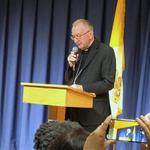
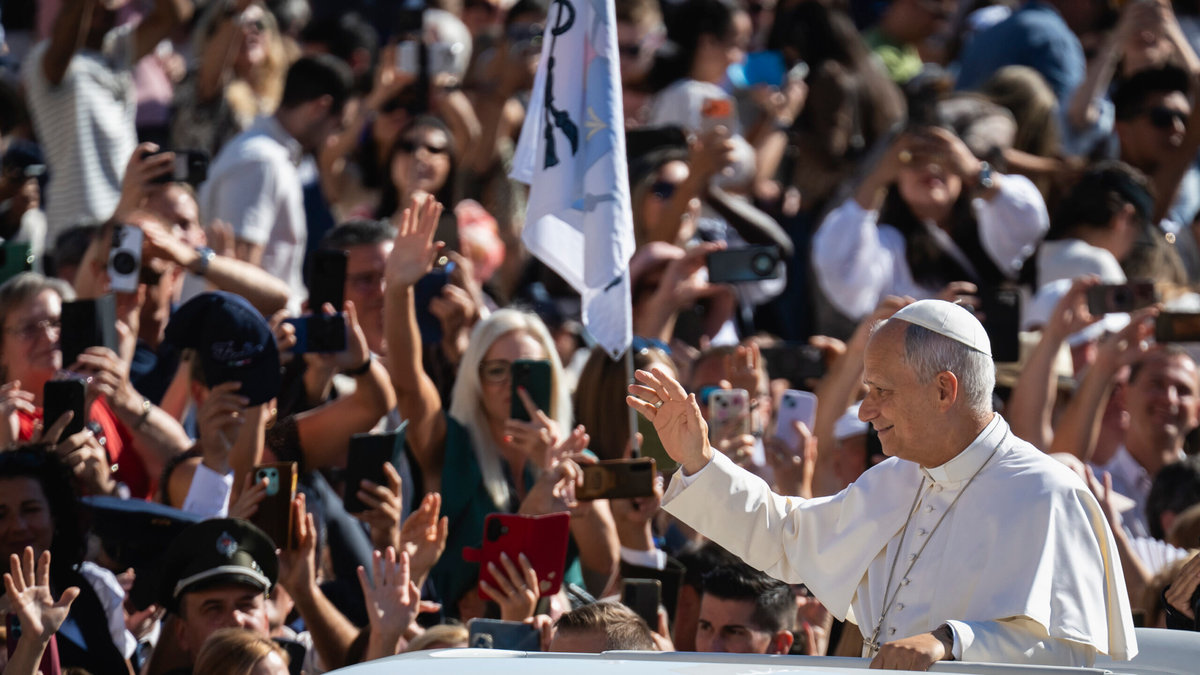
As a number of Latin American nations celebrate their national holidays in September, and as the United States kicks off its month-long celebration of Hispanic Heritage Month, Pope Leo made an observation about national identity.
At the end of the general audience this September 16, in greetings to Spanish-speaking pilgrims, the Pope noted:
At this time of year, many Latin American countries are celebrating their national day. Let us ask the Lord that, while cherishing the identity of our homeland, the Gospel may open our minds and hearts to recognize that we are part of a greater divine plan, that we are part of the human family created by God. May the Lord bless you all. Thank you very much.
In fact, today is Mexico's Independence Day, and on September 15, Our Lady of Sorrows, independence is celebrated by Costa Rica, El Salvador, Guatemala, Honduras, and Nicaragua.
September 7th was Brazil's and two more are coming this month: Chile on the 18th and Belize on the 21st.
The Pope's own nations of Peru and the United States both celebrate independence in July -- the 28th and the 4th.
Catechism and saints
The Catechism of the Catholic Church considers love of one's country a part of charity.
Paragraph 2239 says: "It is the duty of citizens to contribute along with the civil authorities to the good of society in a spirit of truth, justice, solidarity, and freedom. The love and service of one's country follow from the duty of gratitude and belong to the order of charity. Submission to legitimate authorities and service of the common good require citizens to fulfill their roles in the life of the political community.
Various saints have shared insights on patriotism. Saint Thomas Aquinas classified patriotism under the virtue of piety.
In modern times, St. Josemaria Escriva shared:
Love your own country: it is a Christian virtue to be patriotic. But if patriotism becomes nationalism, which leads you to look at other people, at other countries, with indifference, with scorn, without Christian charity and justice, then it is a sin.
Josemaria was Spanish and lived through his own country's civil war. He also wrote:
To be 'Catholic' means to love your country and to be second to no one in that love. And at the same time, to hold as your own the noble aspirations of other lands. — So many glories of France are glories of mine! And in the same way, much that makes Germans proud, and the peoples of Italy and of England…, and Americans and Asians and Africans, is a source of pride to me also.
Catholic: big heart, broad mind.