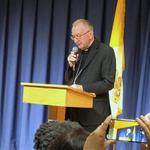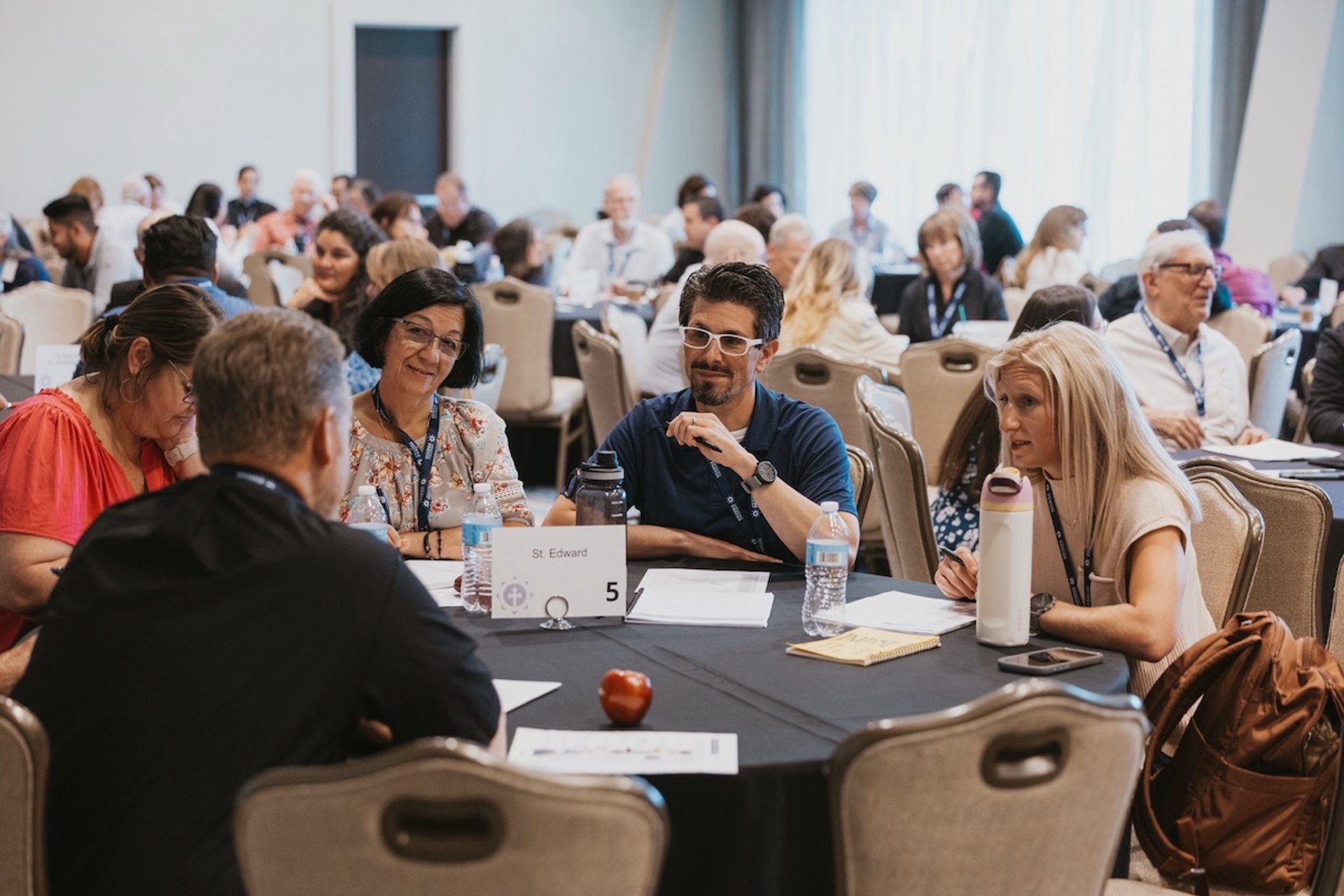
The leaders of the Amazing Parish movement firmly believe in the power of courageous leadership and cultural change to bring about parish transformation from the inside out. They announced a record attendance of 1,100 participants at their August summit held in Houston, Texas.
Among the crowd were pastors, seminarians, diocesan staff, and lay leaders from 88 dioceses across 44 states and four countries, including the Archbishop of Fiji. This gathering, the first in two years, brought together well-known Catholic personalities “as equals” with those working for the Church whose name might never be seen on an event flyer or book cover.
“They all came together ... to hear the Lord and reignite their hope that change is possible,” Amazing Parish’s Director of Apostolic Development Brian Miller told Aleteia.
Miller has extensive ministry experience, both as a FOCUS missionary and diocesan ministry leader. His personal trajectory — including the influence of small groups and mentorship — has been a great example for him of the “beautiful model of how groundswell renewal can happen.” It is also what led Amazing Parish to reach out 18 months ago and ask him to step into his current role.
Amazing Parish considers itself a tool to "unburden pastors and transform parishes into the dynamic centers of worship and evangelization they were always meant to be."
An expanding mission
As “the culmination of a year of vision,” Miller shared that the August summit was an opportunity to put “some of that vision out there for the Church-at-large.” One expansion for the event was the addition of two new tracks, for advanced teams and individual leadership.
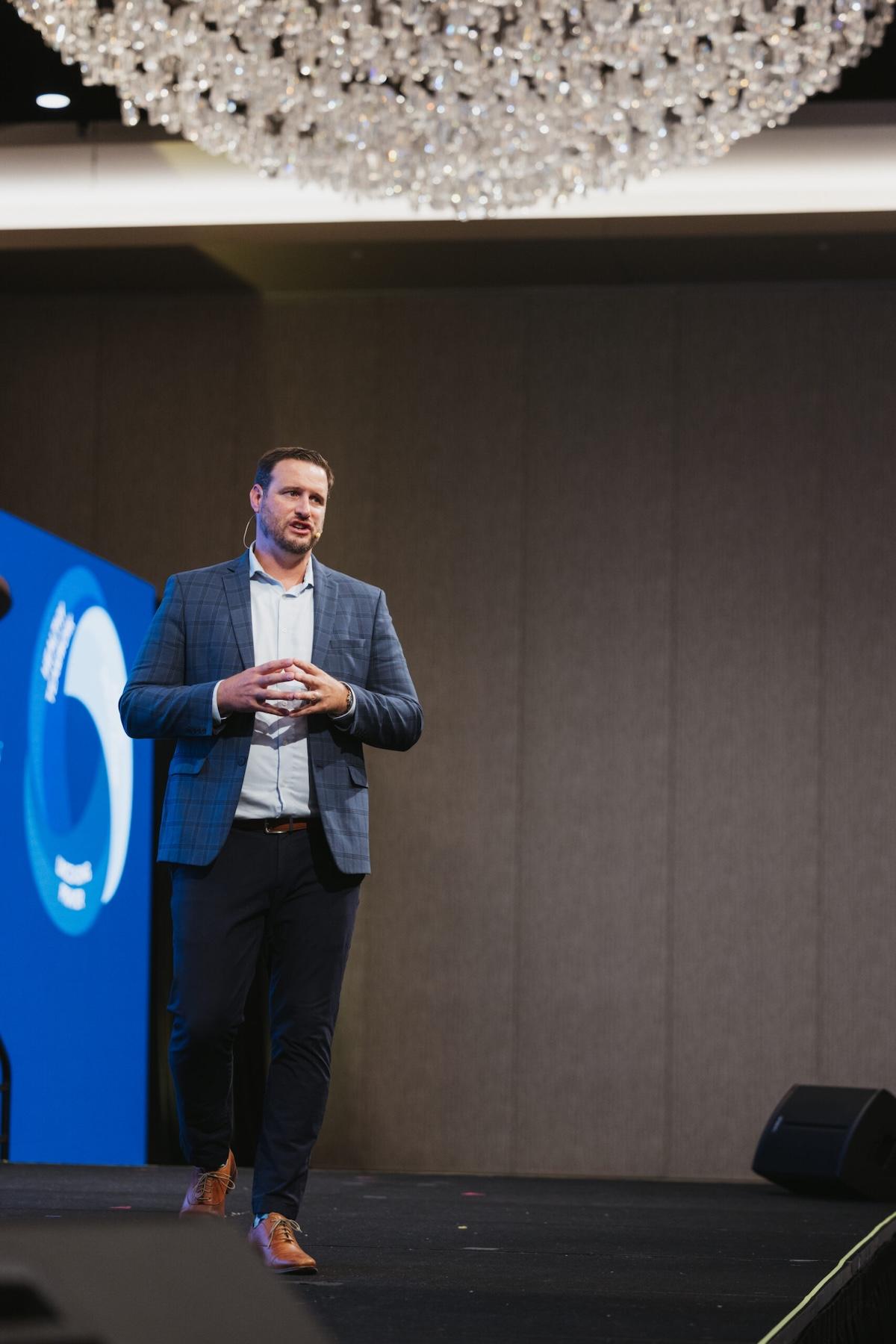
Another new initiative — discerned by the organization as something God is calling them to offer the Church — is the launch of Parish Individual Leadership Coaching and Parish School Coaching. Announced at the Summit, both programs provide personalized coaching to help leaders grow, build healthy teams, and establish a clear and confident mission focus.
Coaching, Miller explained, is coming “alongside the person, helping them ask questions, reflect back and look within their environments and their own lives to see where the Lord might be calling them to lead differently.”
The inspiration follows in line with what Amazing Parish has always been about — to make the Church excellent. Pat Lancioni and John Martin started the organization as two successful businessmen who loved the Church but knew parishes “needed more.” They sensed solid business principles could be effective but that adapting and applying them to parish culture was necessary.
While great information and inspiration can be transmitted at group gatherings, Amazing Parish’s leadership came to see that participants needed ongoing support. Coaching takes the broader message, makes it concrete with personal goals and action, and walks alongside the person through the process.
Revamping their model to a paid service, Miller said that now both parishes and the organization have “more commitment” to making real transformation happen. Rather than trying to make someone simply feel better about their leadership, coaching mixes challenge and support, moving individuals and teams toward shared accountability.
The parish as the Church’s most important institution
In Rebuild My Church, a white paper released in Spring 2026, Amazing Parish pursued a thoughtful exercise by asking, “What are our core beliefs about renewal and how it happens?”
Among the six core beliefs outlined, the conviction that renewal has to take place in the parish is closely related to that of the irreplaceability of the pastor’s leadership.
“If renewal doesn’t happen in the parish, then it’s going to fall short of what the Lord wants.” Miller praised the “phenomenal things” apostolates-at-large are doing for the Church, but reiterated his conviction: “The parish is the most important institution in the Church. It’s where most people have the opportunity to encounter Christ.”
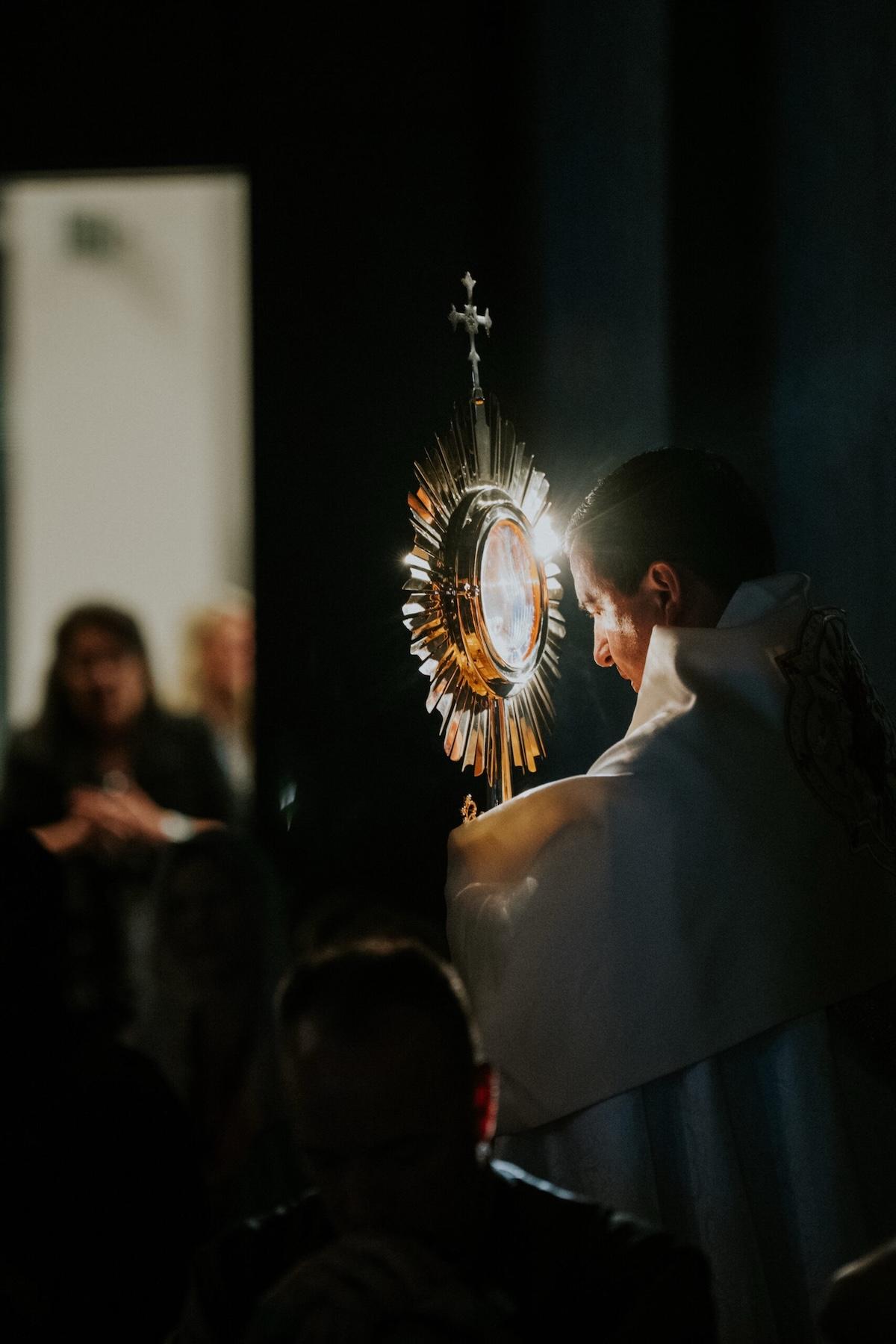
This principle builds on the spiritual reality of the pastor’s leadership, and the canonical reality that grace flows through the authority of the pastor. Miller said the way the Lord ordained authority in the Church is something “we never want to work around” or apart from. The group promotes a charism of clerical and lay collaboration knowing “leadership is a team sport.”
“We often approach our parishes with a very consumeristic mentality,” Miller described, “driven by the consumerism in so much of society. And so, we show up to church and ask, ‘what can you do for me?’ Really, we have to move from this consumerism to real discipleship.”
Trying to be disciples without following Jesus to the cross is what Miller calls cheap grace and a false gospel. “Oftentimes we believe the lie that if we give our lives to Jesus and follow him, everything’s going to get immediately better ... but to follow Christ is to be willing to change your life radically ... actually doing that and then making sacrifices to help others grow as well.”
Miller stated that the reality is “we have to be willing to do some of the work ... not just to take, but also to take care of ... If we all show up to the parish with that mentality, our parishes can’t help but be transformed.”
Cultural hurdles and circles of influence
Miller doesn't negate the real, historical, and cultural hurdles “of building a Church together.” Neither does he tiptoe around the breaches of trust between priests, Church leadership, and laity in recent decades or the environment of protective caution left in its wake.
Miller also acknowledged the hesitancy of lay people to collaborate when they experience a disconnect between what the Church teaches and what pastors prioritize. He understands the complexities involved, the necessity of keeping God’s providence and omnipotence as the centerpiece, without denying the challenges of human interests, personality dynamics, and the enemy’s influence.
He shared the testimony of one Summit participant, a priest who admitted his skewed belief that no one in his parish could be trusted and that he was alone in bearing the burden of ministry. This pastor said that the gathering helped him realize he cannot be the leader he needs to be without asking for help. Miller added that many people at the Summit left with a renewed sense of Christian charity and the need to be human and vulnerable with each other.
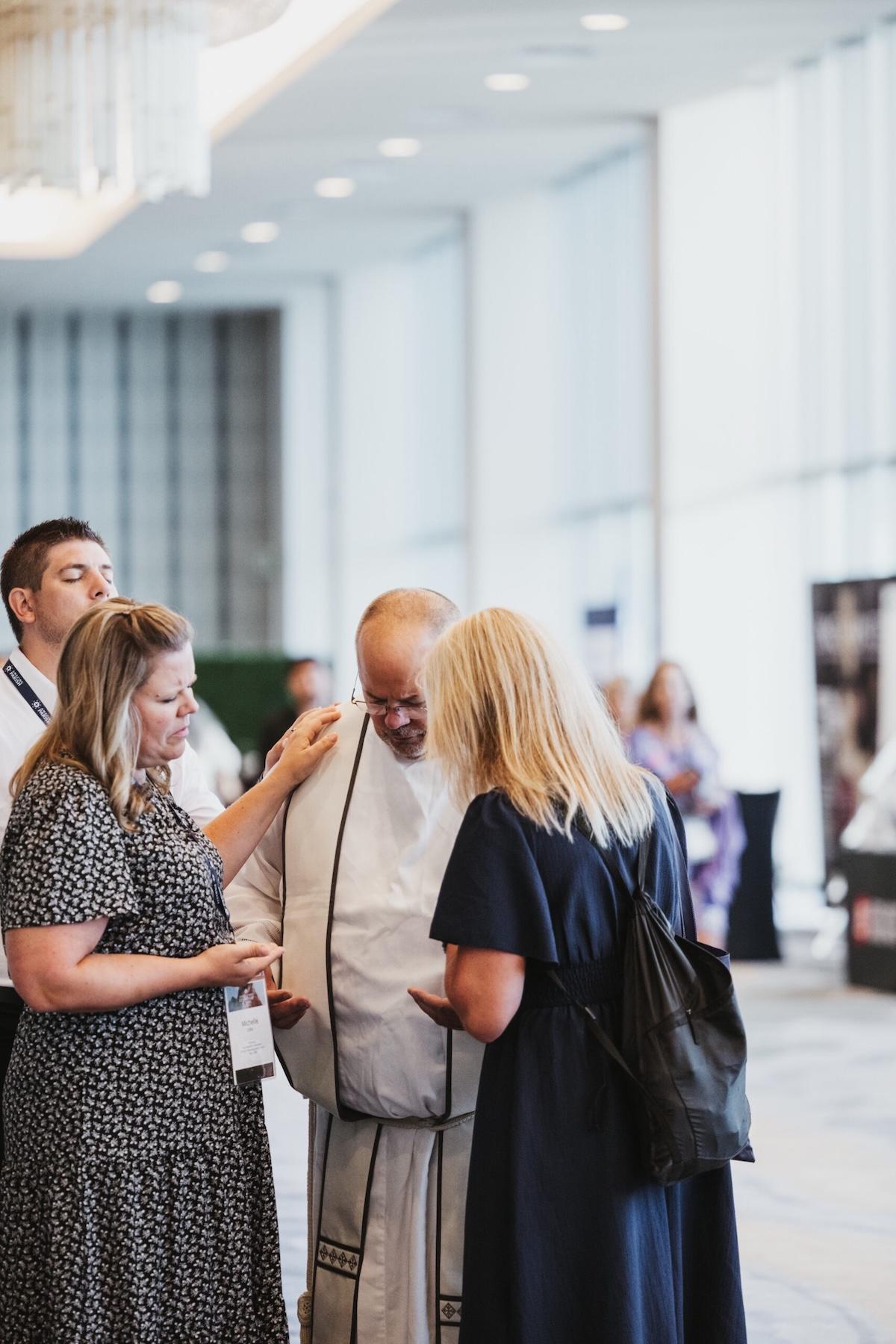
Miller said a mistake many parishioners make is “to see a problem and tell the pastor exactly what needs to be done before they have actually earned the trust to be heard.”
“The pastor needs to know that members of the parish love him, are willing to come alongside him — dying to their own selves and visions — truly wanting him to be successful” in his priestly and pastoral ministry.
Amazing Parish understands that you can’t make everyone happy all the time. They work at helping leaders identify where their circle of influence lies and discern what the Lord is actually calling them to do. Setting clear expectations and limits alongside a culture of individual and joint discernment can be freeing for all.
“When you lead within your circle of influence, your influence actually expands and grows; then people see you as someone who can get things done, see you as effective and they trust you with more.” The more difficult scenario Miller sees is trying to lead outside of that, where judgment and gossip thrive.
He reiterated the important foundation where a lay person develops a relationship with their pastor, even their bishop, “to earn the right to be trusted” and then communicate concerns. Troubleshooting these real dynamics of parish life is one of the reasons the new individual coaching model was launched.
“Where is the Lord calling me to make a difference? Where is the Lord calling me to bear fruit?” These questions are important to Miller who knows that, according to John 15, “bearing fruit requires pruning and being willing to suffer, to die and to lay down our lives.”
“It’s not enough simply to reflect on what we have done,” Miller wrote in a blog post after the surge in OCIA participation and sacraments of initiation this spring, “but rather, we should echo the amazed statement of those cut to the heart by the preaching of Peter in Acts, ‘What shall we do?’”
Personal and profound encounters
Miller grew up a “decent Catholic” with a single mom who did the best she could and got her family to church most weekends. He credited time at his grandma’s house with helping the faith really “come alive.” Ministry is now “kind of a family gig” for the father of four. Trying to practice what they preach, Miller’s wife teaches theology at a local boys’ school and the family lives across the street from their home parish.
He related how, as a young man in high school, he sought validation in other circles and wandered a bit from the faith. When one friend began inviting him to the parish youth group, he said no week after week. “But then Pope John Paul II came to St. Louis and the peacefulness and presence of God that he brought with him in his person really moved my heart."
It made me realize what I was missing. ... I didn’t know exactly who Jesus was, and I wasn’t ready to completely give my life away at that moment, but I just knew I had to search. I started that search and said yes to the invitations. I met Jesus that day and then continued to run after him with a great group of friends throughout high school and college.
Studying theology under Dr. Edward Sri at Benedictine College, Miller was a student when FOCUS launched there in January 1998. After graduation he became a FOCUS missionary for four years before being employed by the Archdiocese of St. Louis. Over and over he has witnessed transformation in a faith community primarily as the fruit of prayer and personal invitation.
“It’s a fun time in the Church — clearly the Lord is doing something that’s beyond any of us. There have been decades of people planting seeds in the Church, fertilizing the New Evangelization, but it seems to me that the seedlings are sprouting through the ground. We’re not even to maturity yet. The Lord wants to do so much more, but we’re starting to see some first fruits.”
He is sure that Pope St. John Paul II has a lot to do with it.