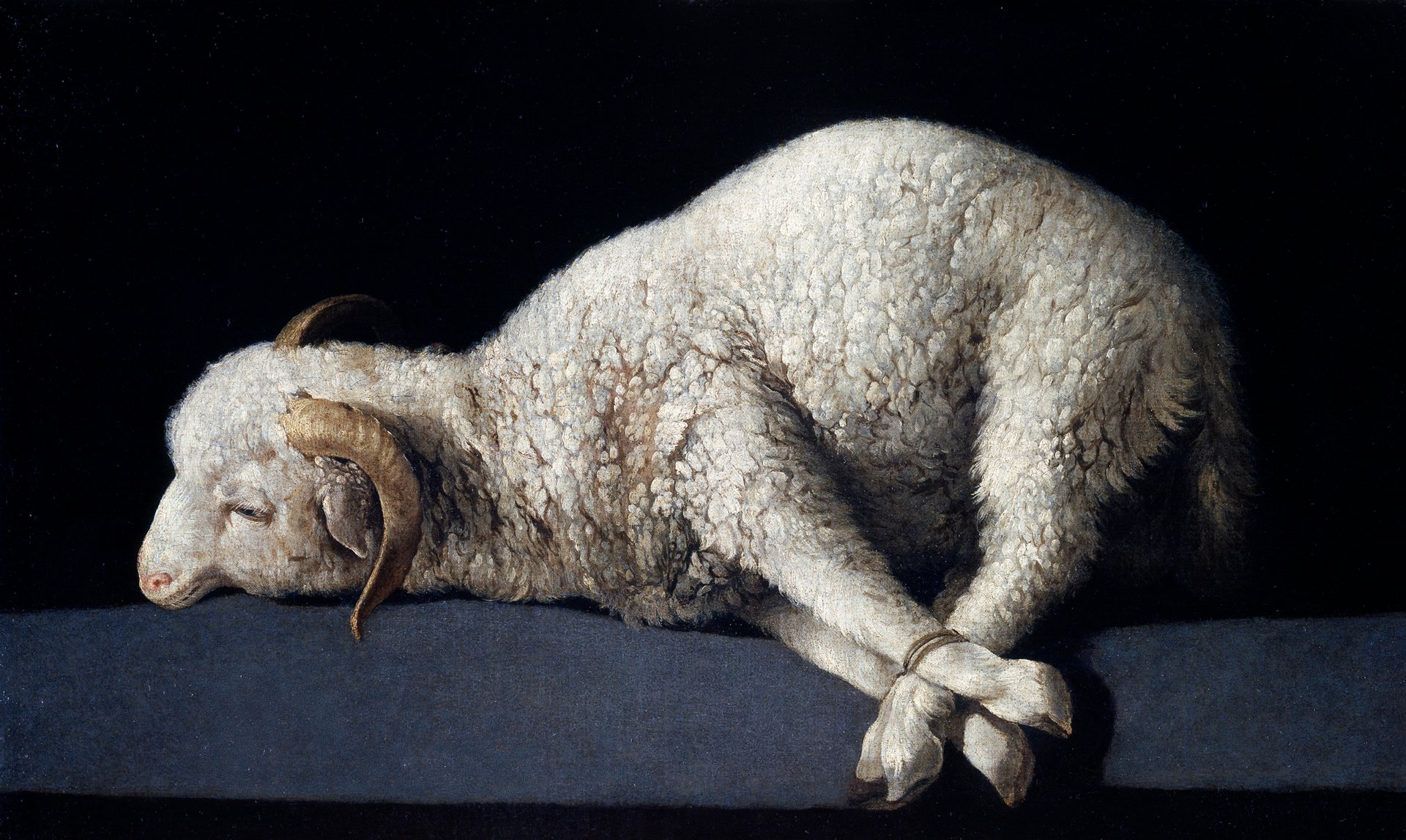
With an iconic use of chiaroscuro and his uncanny ability to render the vivid emotions of his subjects, Spanish painter Francisco de Zurbarán left a permanent mark on European Baroque painting. This fall, a series of exhibitions across Europe and the US celebrate the unique visual legacy of the “Spanish Caravaggio.”
Francisco de Zurbarán was born in 1598 in Fuente de Cantos, Extremadura, in the western part of Spain. He left his native city in 1614 to study with a painter in Seville. His first significant commission came when the Dominican monastery of San Pablo el Real in Seville asked him to complete 21 paintings depicting the life of Saint Dominic, Saint Bonaventure, Saint Thomas Aquinas, and the four Doctors of the Church.
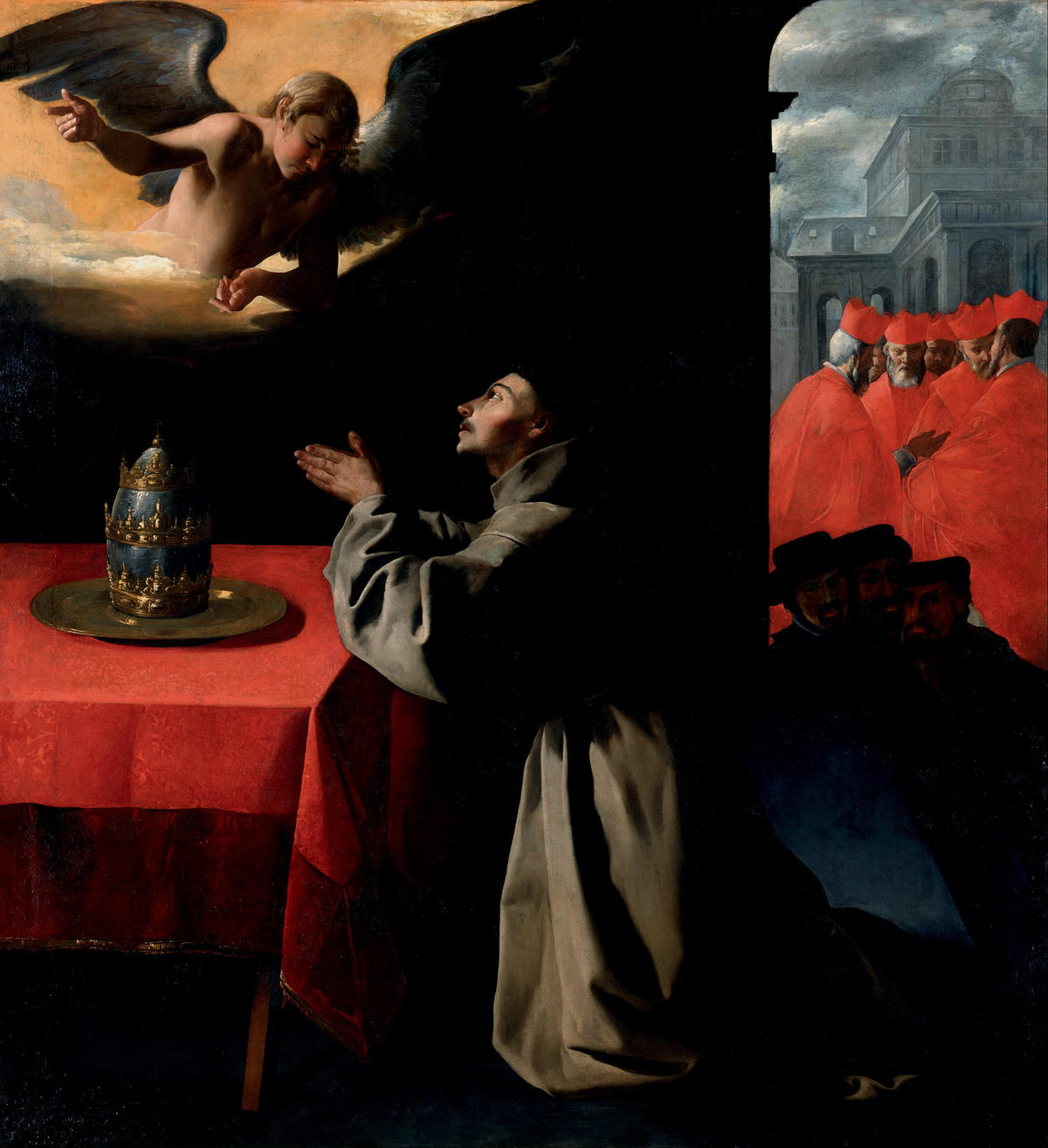
This commission revealed the unique talent of de Zurbarán who was able to blend mysticism with a deep sense of realism. More commissions came, including one by the Mercedarian order of Seville, a fascinating order of nuns and friars established in 1218 by Peter Nolasco.
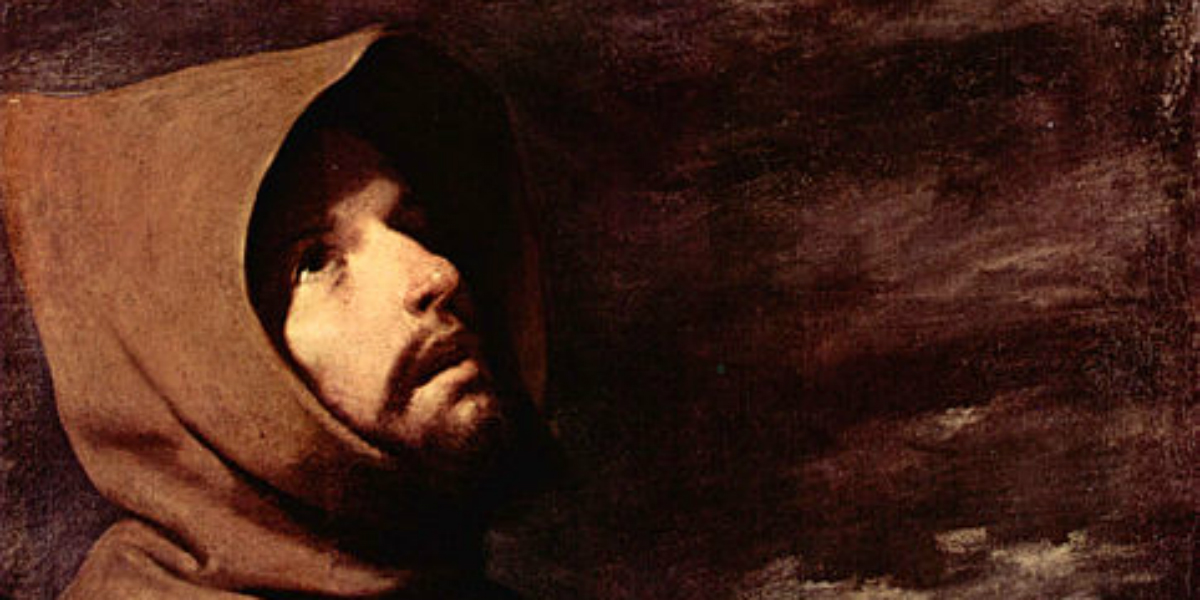
In the following decades, Zurbarán established himself as a master of sacred portraits. His subjects ranged from famous saints, like Saint Francis of Assisi, to nuns and friars of the confraternities he worked for in Seville and surrounding areas.
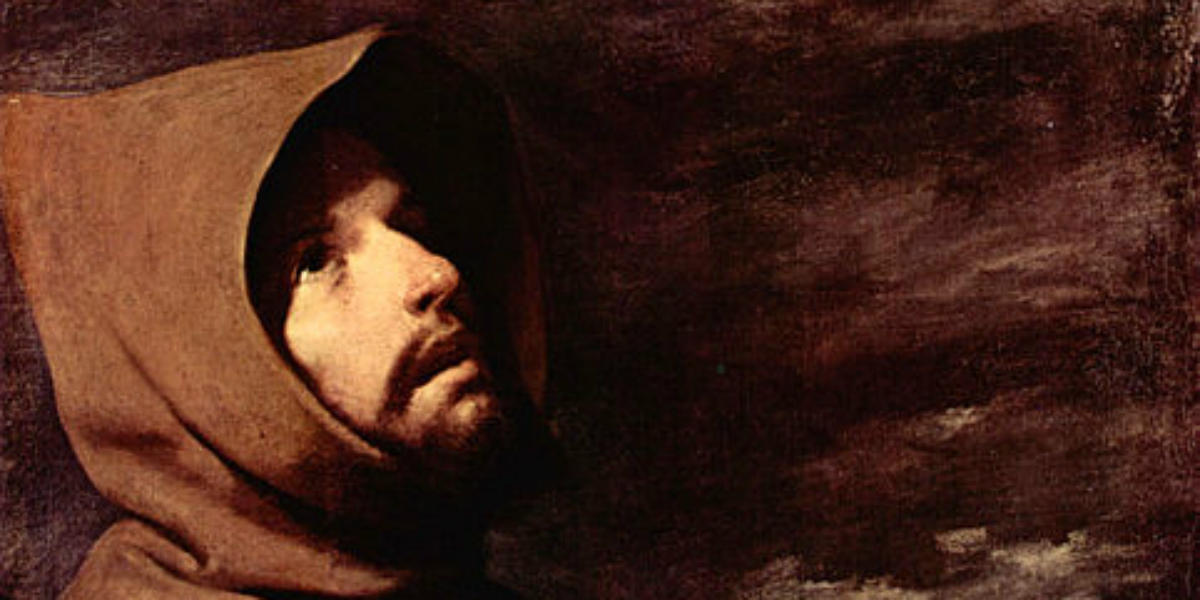
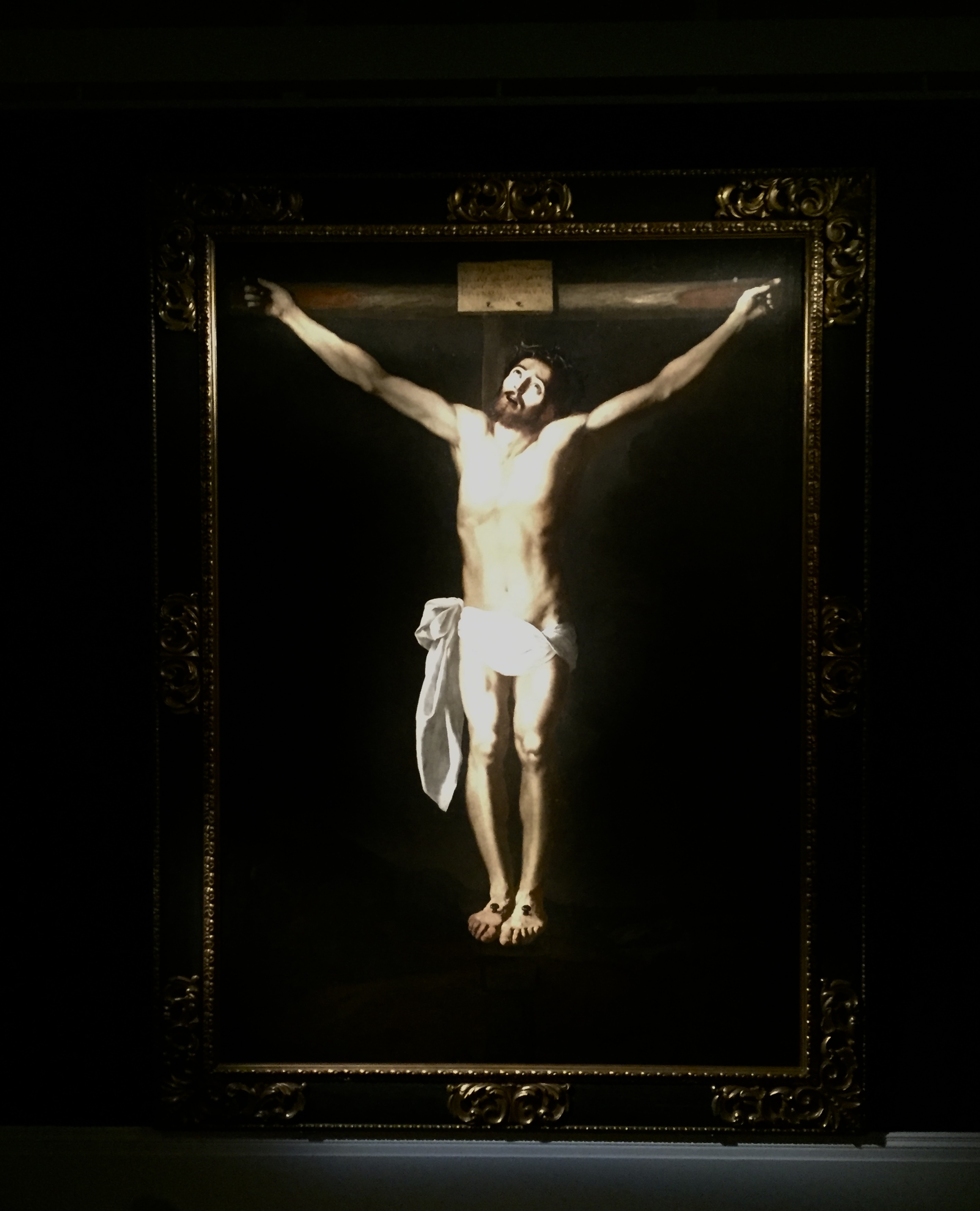
Zurbarán’s style, characterized by uncanny realism, vivid emotions, and dramatic style of composition, has often been associated with that of Italian Baroque painter Caravaggio. While both artists share a powerful use of chiaroscuro and an almost three-dimensional rendering of their subjects, Zurbaran’s style is more sober and toned down than that of his Italian counterpart. His realism and dramatic sense of composition, where subjects are frequently placed against featureless backgrounds to draw the viewer’s attention to their illuminated figure, is intended to highlight subjects’ inner life rather than their physical demeanour.
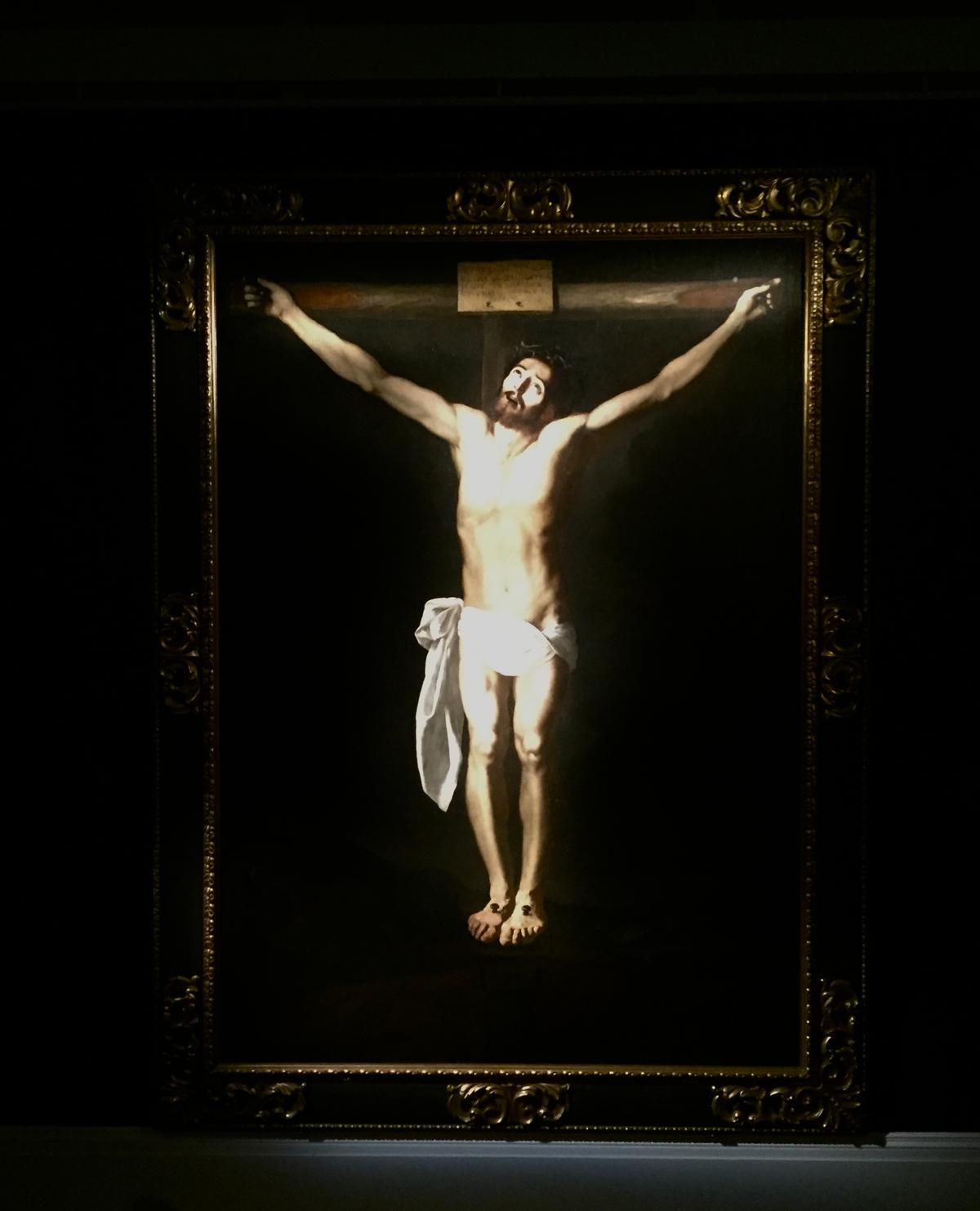
While maintaining some iconic traits such as sharp geometry, flat spatial depth, and isolated objects, Zurbaran’s style evolved over the course of his career. His early works such as Christ on the Cross (1627) and Agnus Dei (1635–1640) are more severe, highlighting a kind of contemplative simplicity. His later works, which some critics see as displaying the influence of Spanish Baroque painter Murillo, appear more gentle. For example, in The Virgin and Child with the Infant Saint John the Baptist (1662) the interaction between the Virgin Mary and the children, wrapped by a soft glowing light, is intimate and gentle.
Far less known than his contemporary and friend Velazquez, Zurbarán played an equally important role in the Spanish art scene during his time. His paintings and altarpieces were in high demand in Seville, Madrid, and even overseas, with a famous commission coming from the Monastery of San Francisco in Lima, Peru.
Following the 19th-century suppression of Spanish monasteries, many of the Baroque master’s signature works were scattered in public and private collections across the world. Now, a new monographic traveling exhibition organized by the National Gallery in London, the Musée du Louvre in Paris, and the Art Institute of Chicago is reuniting long-separated works from the “Spanish Caravaggio” under one roof.
Works that have long been preserved in separate locations, such as his famous Jerez de la Frontera cycle, a series of altarpieces he made for the Charterhouse of Santa María de la Defensión in Jerez de la Frontera, are now re-grouped for the first time since the 19th century.
The exhibition includes a special section dedicated to the many renderings of the Crucifixion that Zurbarán completed during his career. By looking at the different stylistic choices displayed by the Spanish Baroque master during each version of the Crucifixion, viewers can appreciate his evolution from harder and more austere tones, like those Crucifixion (1627/1635), to the softer atmosphere of his late works, like Christ on the Cross with the Virgin, Mary Magdalene and Saint John (1655).
“Zurbarán is an extraordinary artist whose work boldly asserts the power of painting, both then and now. We are thrilled to partner with the Art Institute of Chicago and the Louvre Museum to bring together his greatest paintings in this exceptional presentation of his vast career,” said Imogen Tedbury, Curator of Italian, Spanish, and French Paintings at the National Gallery, London.
Zurbarán runs at the National Gallery from May 2 to August 23, 2026, in the Sainsbury Wing, in Paris at the Louvre Museum October 7, 2026 – January 25, 2027, and at the Art Institute of Chicago on February 28 – June 20, 2027.