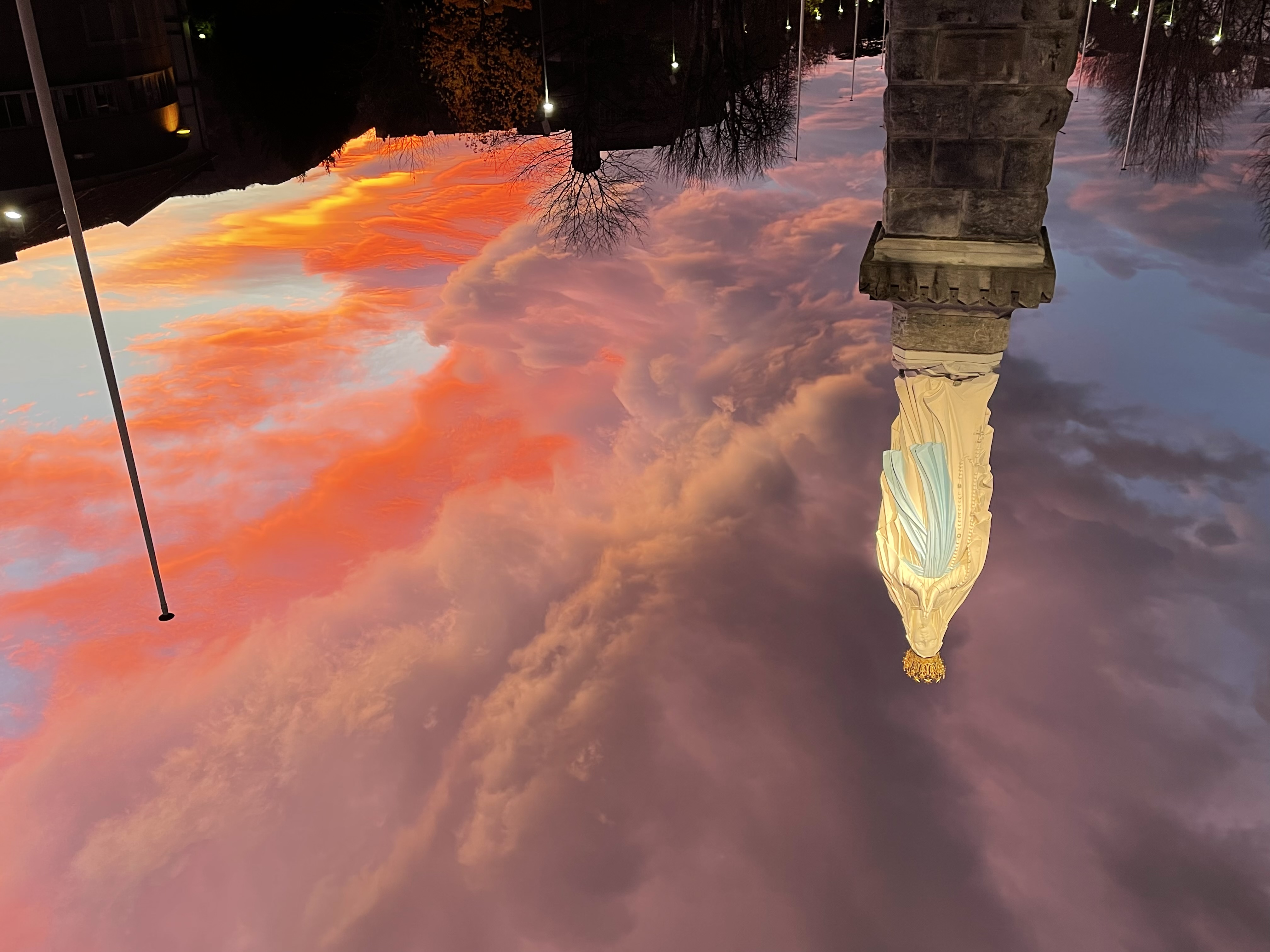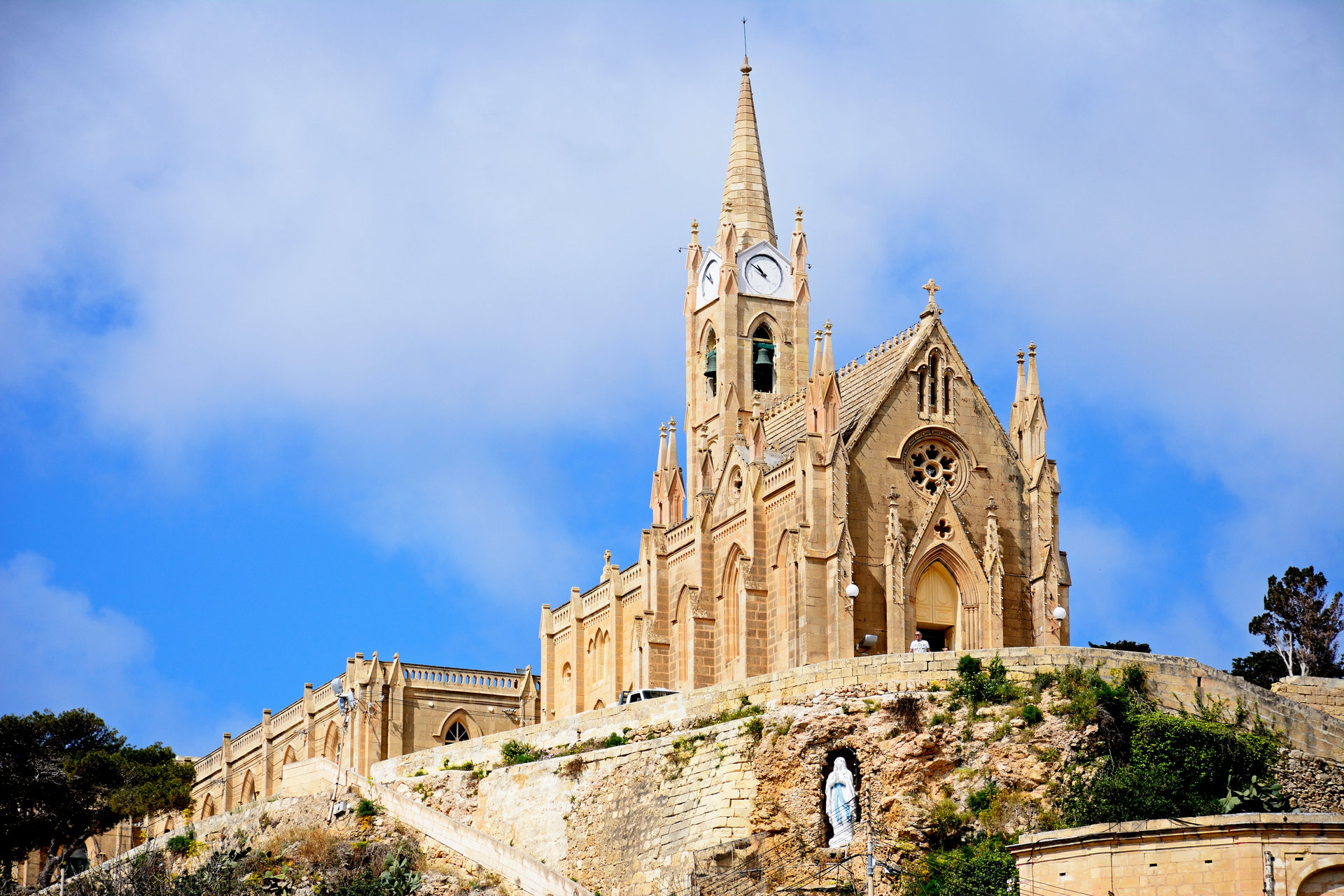
In 1858, the little town of Lourdes was graced by extraordinary happenings. On the 11th of February that year, a young girl named Bernadette Soubirous, along with her sister and friend, went to collect bones and wood. Bernadette removed her socks to cross a shallow stream, and when she heard a gust of wind, she looked up towards a grotto. There, she saw a lady dressed in white. The lady wore a white veil, a blue sash around her waist, and a golden yellow rose on each foot. Bernadette made the Sign of the Cross and prayed the Holy Rosary with the lady. Then, the lady disappeared.
This was the first apparition, and there were another 17, the last one being on July 16. On March 4, the 15th apparition, with thousands present, the lady returned and revealed her name: “Que soy era Immaculada Concepciou,” she said in the Occitan dialect, meaning “I am the Immaculate Conception.” Bernadette had no idea what "Immaculate Conception" meant. Four years earlier, in 1854, Pope Pius IX had declared this an article of faith of the Catholic faith – a dogma.
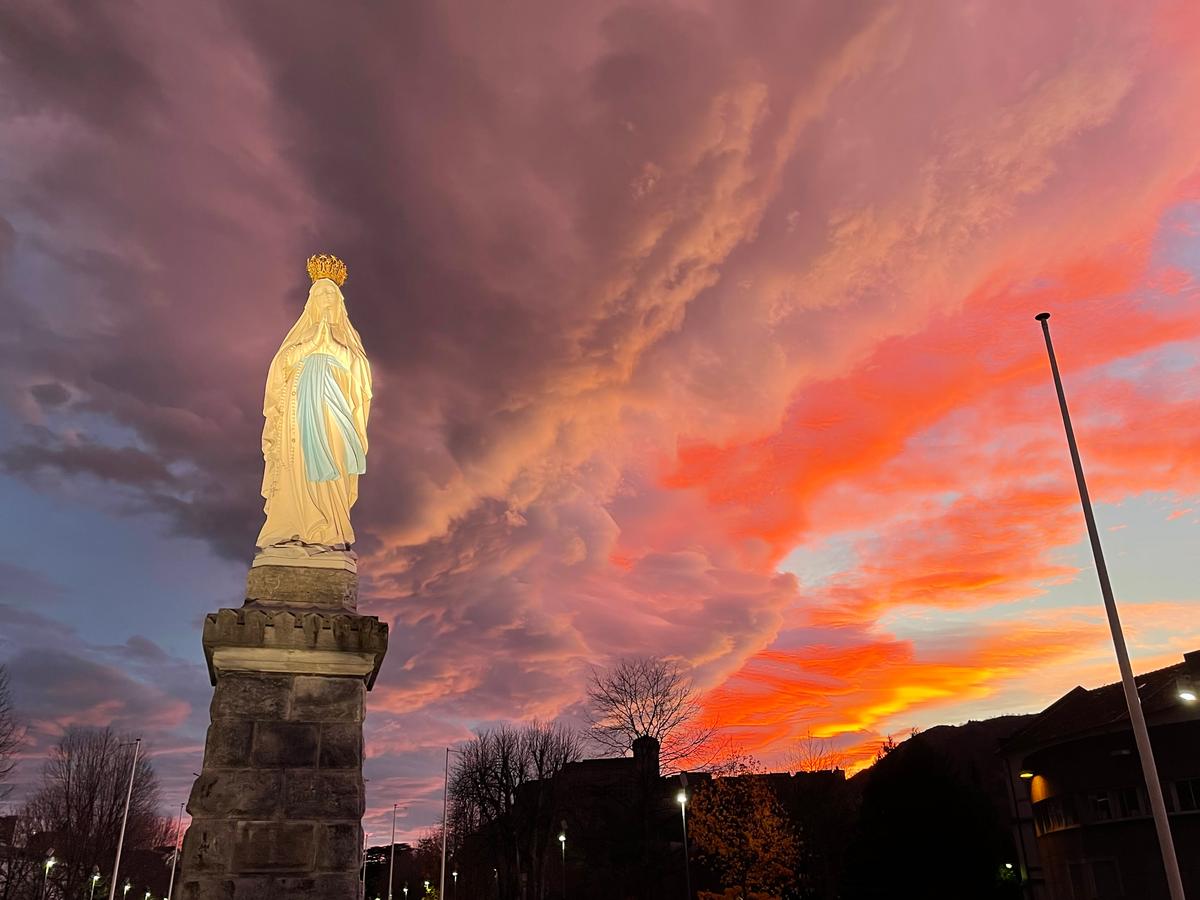
The Immaculate Conception and the Maltese Islands
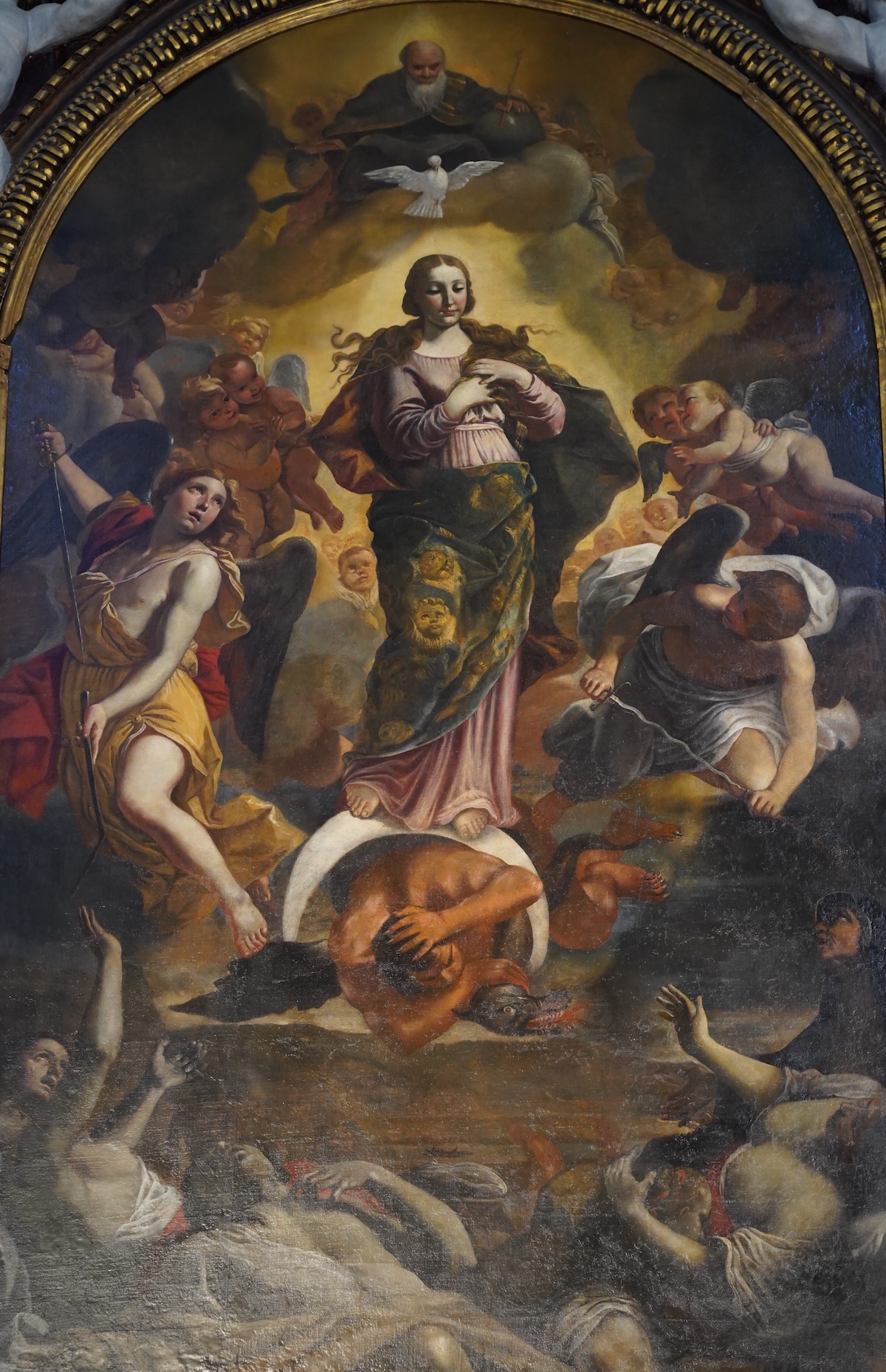
Although the dogma of the Immaculate Conception of Our Lady was promulgated in 1854, the devotion to the Blessed Virgin Mary under this title originates from early Byzantine times. Indeed, the works of the early Fathers of the Church clearly show that it was widely understood and accepted, as from the beginning of Christianity, that Maryam of Nazareth -- the Theotokos — was immaculately conceived.
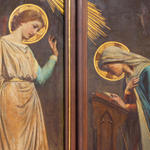
In his Gospel, St. Luke says that the angel proclaimed, “Hail Mary, full of grace.” Also, in his impassioned statement, St. Ephrem (c. 306-373) pronounced the Mother of God as: “Full of grace ... all pure, all immaculate, wholly without sin, wholly without stain, wholly without reproach ... virgin in soul, in body, in spirit,” and St. Gregory Nazianzus (c. 329 – 390) called Mary Prokatharthesia, which means “purified before.”
The devotion of the Maltese to the Immaculate Conception largely predates the dogmatic proclamation. It is most probable that the Maltese embraced the devotion to the Immaculate Conception since those early times. The fact that in Malta we had a Byzantine presence from c.360 to 870 strongly indicates Malta as one of the first countries where Our Lady was venerated as the Immaculate Conception. Indeed, in the Archipelago, spanning just 122 square miles, there are nearly 20 churches dedicated to this title of Mary. The feast day, December 8, is also a national holiday, and is celebrated across the Islands.
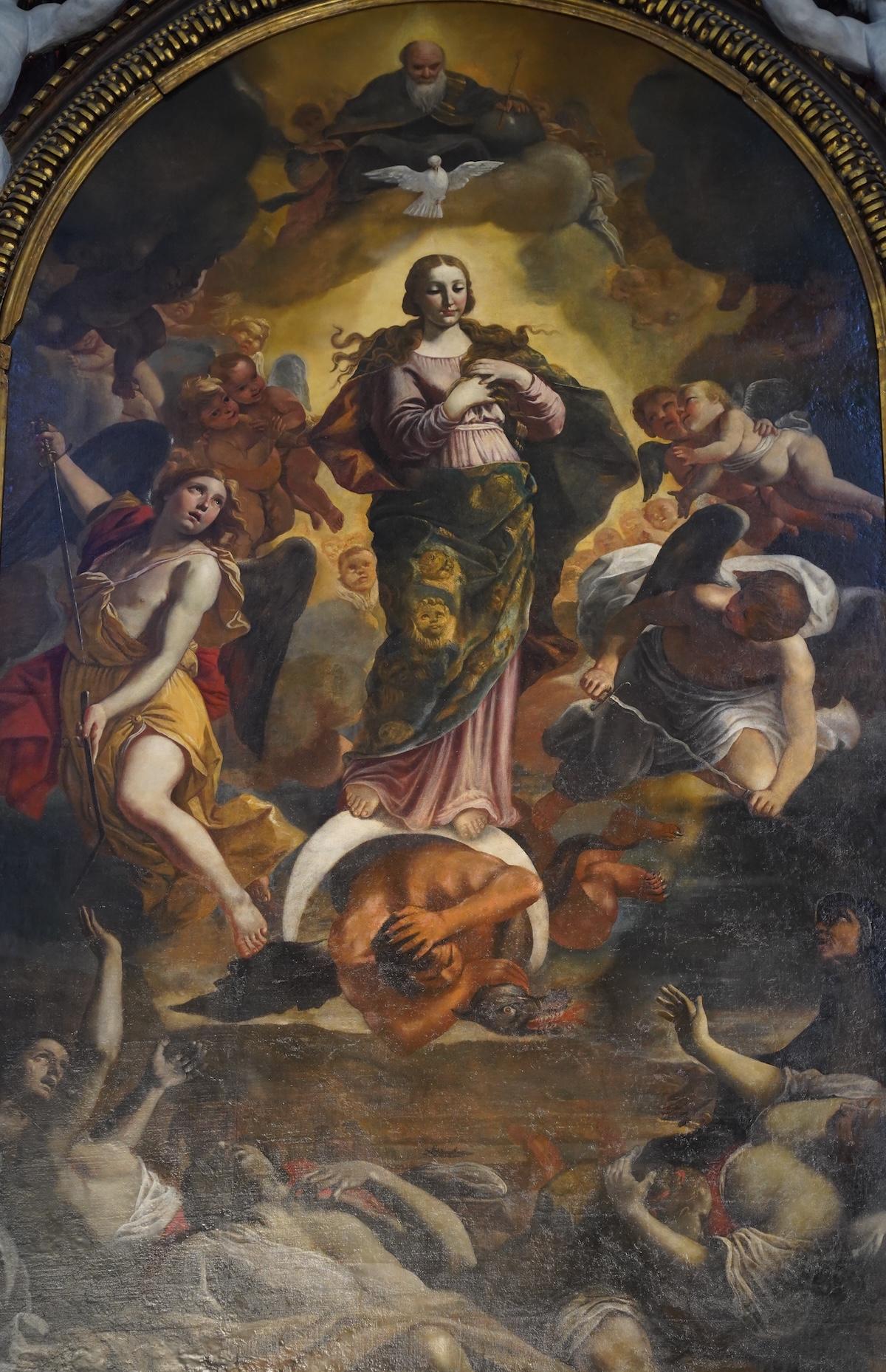
Very old devotions
Centuries-old devotions honoring the Immaculate Conception are still very widespread in the Archipelago. For example, during the 13th and 14th centuries, in the city of Bormla (meaning the Well of God), the Auxilium Christianorum (Mary Help of Christians) and the Madonna tal-Marżabba (Madonna del Soccorso/Our Lady of Rescue) devotions respectively contributed to the increase of Marian devotion among this city’s inhabitants. The church dedicated to the Madonna tal-Marżabba was built before the Great Siege of 1565, on the hill known as the Hill of the Gardens, where today we find the Collegiate Parish Church.
On December 6, 1581, a religious confraternity dedicated to Sanctae Mariae Conceptionis was founded in this church. It became a parish church in 1586. Its titular was Sanctae Mariae Conceptionis del Soccorso. In 1684, plans to build a new church, the present Collegiate Parish, were made. The church was consecrated to the Immaculate Conception (Il-Kunċizzjoni).
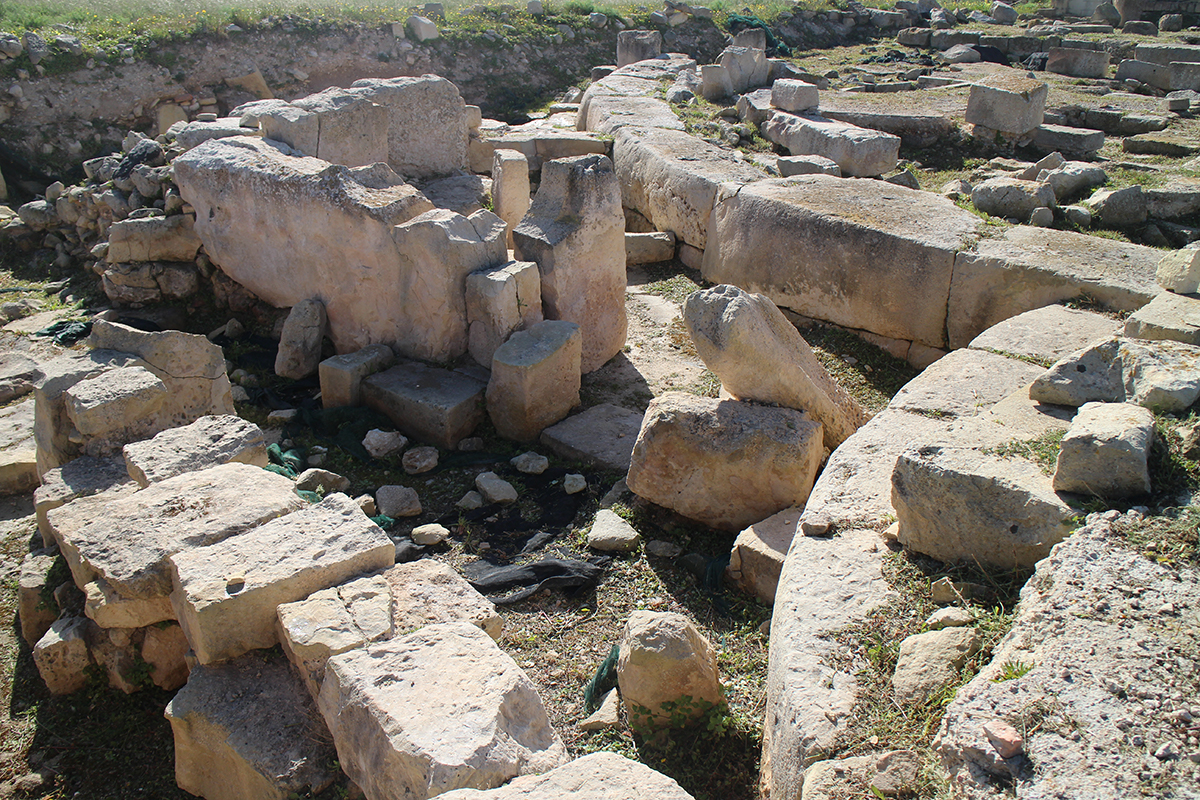
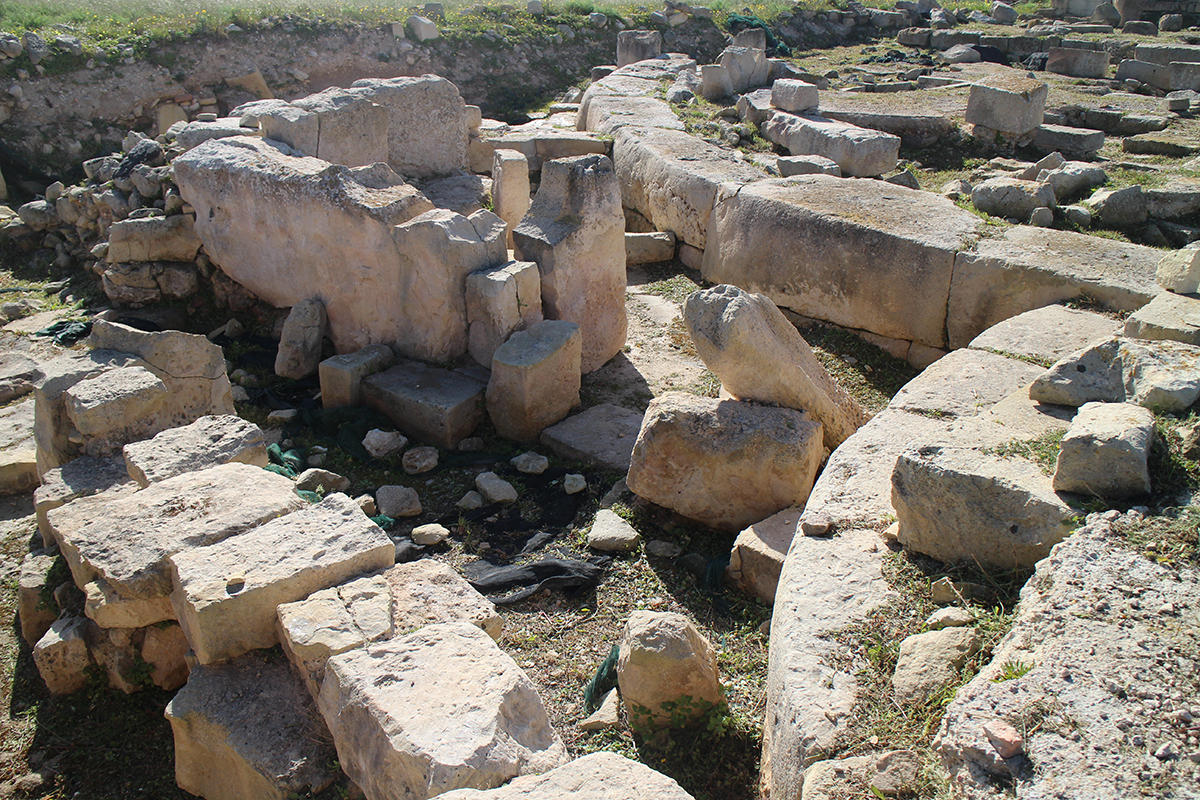
In an area called Tas-Silg (Our Lady of Snows) in Marsaxlokk (southern Malta) there are remains of a Byzantine basilica and pagan temples. The Bronze Age settlers used this area as a dwelling while the visiting Phoenician mariner-merchants turned it into a temple in honor of their chief divinity, the goddess Astarte. The Carthaginians, descendants of the Phoenicians, preferred the god Melkart and consequently the temple became Melkart’s. During Roman occupation the temple changed hands for the umpteenth time and the Roman goddess Juno took Melkart’s place. The Romans redecorated the temple and enlarged it. It was so famous that it was mentioned by Cicero in one of his recorded Senate speeches.
In the 5th century, a Byzantine fleet invaded Malta. They established a naval station in Marsaxlokk. The Byzantines were Orthodox Christians and it was natural that they turned the ancient pagan temple into a Christian basilica. Furthermore, we have to notice the historical fact that once the Christian Church became the established religion of the Empire, it regularly reconsecrated pagan temples in honor of its saints, martyrs and the Blessed Virgin. Generally, temples that were dedicated to female pagan deities were then dedicated to the Virgin Mary under various titles. A prime example is that of the great temple of Diana at Ephesus, one of the wonders of the Ancient World, which the Church Fathers dedicated to their beloved Theotokos — God Bearer — in the aftermath of the Third Council of Ephesus (431), when the Church Fathers proclaimed Mary Theotokos.
The Latins translated this title into Mater Dei, meaning Mother of God. It is a historical fact proved by impeachable documentary and architectural evidence, that special and intensive devotion to the Blessed Virgin was one of the chief characteristics of the Christian Orthodox Church and society. During the First Crusade, Bishop Adhemar, the Papal Legate, wrote that it is almost impossible to visit a Byzantine church or monastery and not find an icon dedicated to the Theotokos. So most probably, this 5th-century Byzantine basilica was dedicated to the Blessed Virgin Mary.
Also, a recent study by Dr. John Vella sheds more light on the antiquity of Marian devotion in Bormla. Vella says that an 8th- or 9th-century Byzantine icon of the Nativity or Theotokos existed in a partially troglodytic church. It depicted the Holy Virgin as the God-bearer. Unfortunately, at some point this icon disappeared and was never traced.
The Lourdes-Malta connection
The Maltese were among the first people to welcome the message of the Immaculate Conception of Lourdes, and to spread devotion to the White Lady of the Pyrenees. In fact, as soon as the local Bishop of Tarbes, Bertrand-Sévère Laurence, endorsed the veneration of the Blessed Virgin in Lourdes, on January 18, 1862, pilgrimages to the Grotto of Massabielle poured in from all over the world. This was no different for the Islands of Malta. There were Maltese and Gozitans who joined Italian pilgrimages, and others visited the site individually.
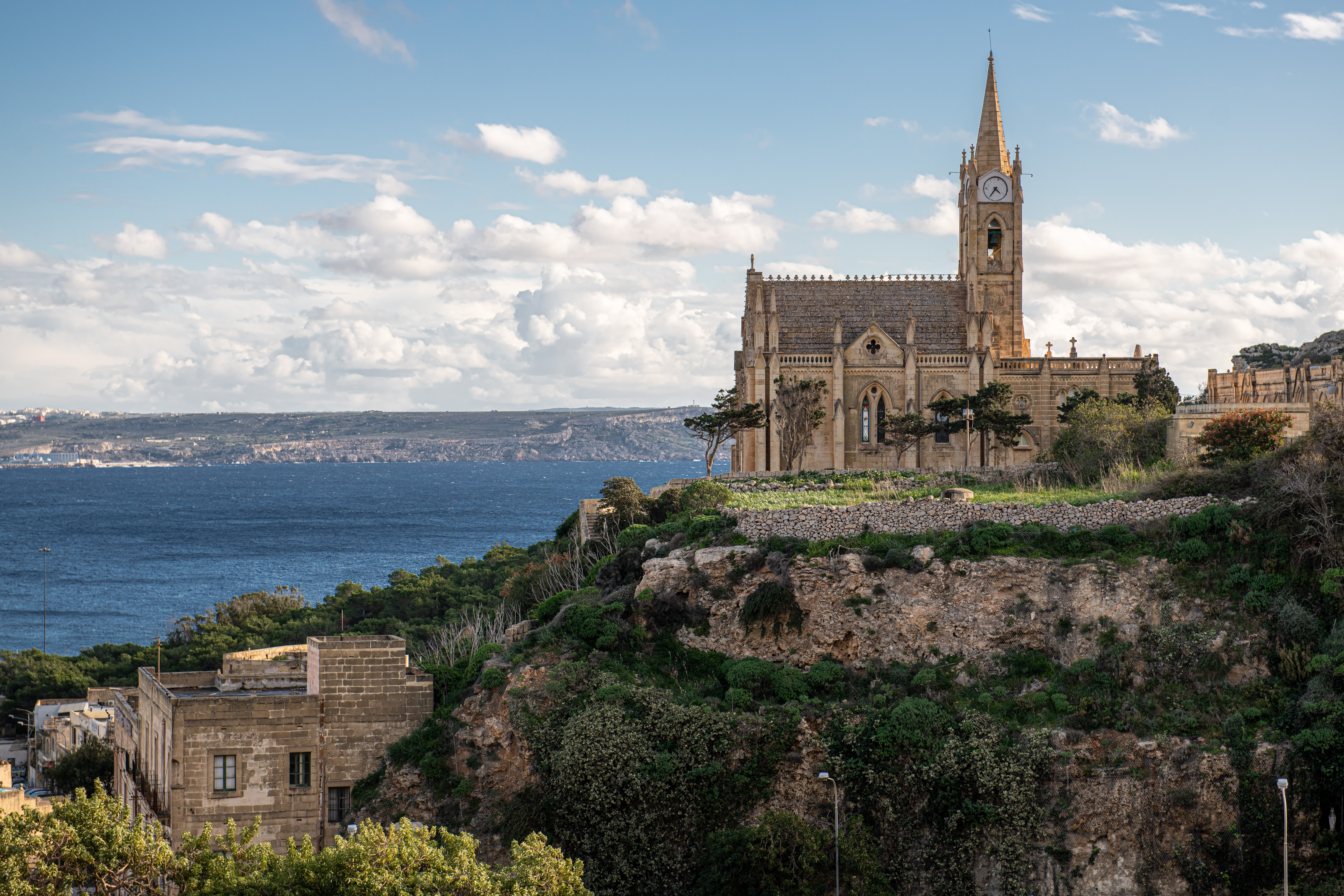
The Sanctuary of Our Lady of Lourdes in Ghajnsielem, Gozo, is witness to this. Among the first pilgrims to Lourdes was the bishop of Gozo, Mgr. Pietru Pace, who was so moved by what he saw with his own eyes that he did everything he could to spread the devotion to Our Lady of Lourdes, which was already quite fervent, thanks to his predecessor Mgr. Antonio Grech Delicata. He also pursued to the best location for a sanctuary for the Immaculate Conception of Lourdes to capture the hearts of all Gozitans.
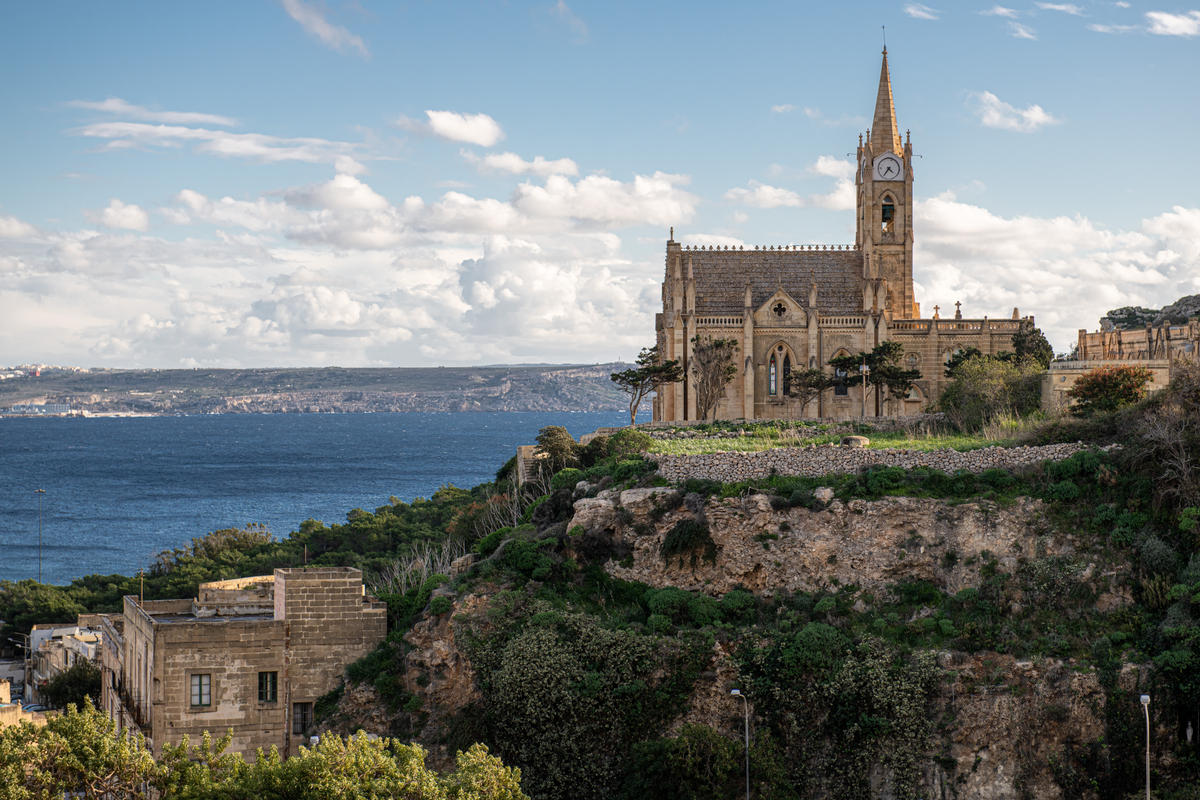
As a case in point, anyone visiting Gozo by the Malta-Gozo ferry cannot miss the Neo-Gothic Sanctuary of Our Lady of Lourdes in the village of Għajnsielem, on the hill dominating the port of Imġarr, and her large statue in a naturally hewn grotto right under the Sanctuary, which for centuries was home to an effigy of Stella Maris. I will delve into more details about this Shrine in the next article.