Reporter Anna Kurian spoke with the head of the Vatican’s gardening services, who oversees the vegetable garden in the shadow of the Mater Ecclesiae monastery, the Vatican's own "secret garden."
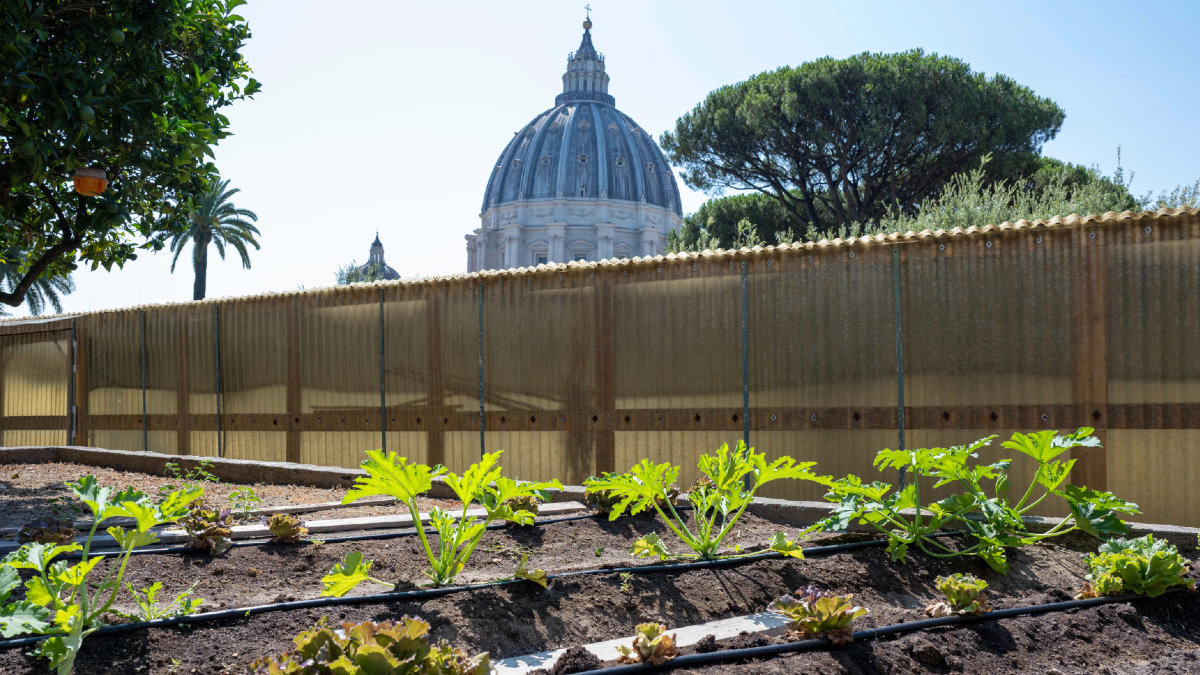
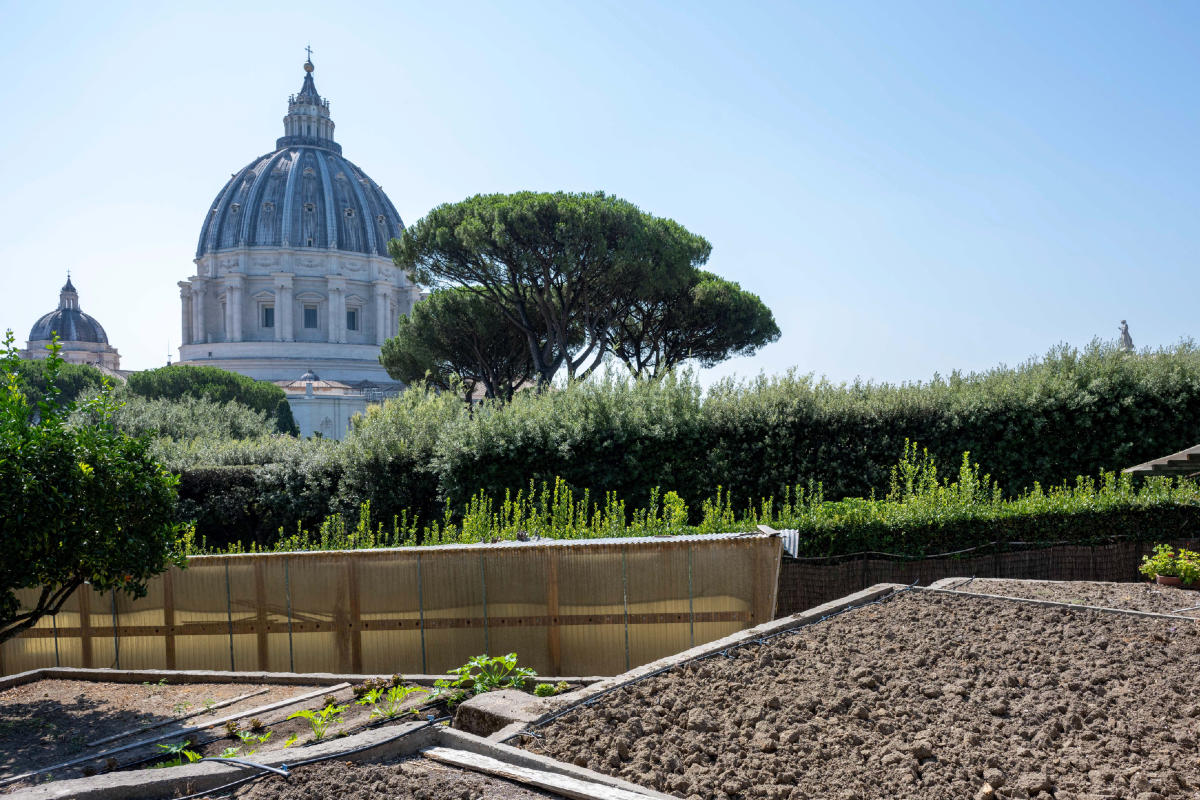
“The secret of an organic garden is the gardener,” says Stefano Giampaolo. The chief manager of the Vatican's gardening services is full of praise for the project. While the vegetable garden’s surface area is a modest 4,300 square feet (400 square meters), the ambition and passion behind it are great. Its borders are also well guarded: It’s impossible for visitors to catch a glimpse of what’s cultivated behind the high wall of bushy hedges, and the gate is usually firmly closed.
To get closer to the grounds, you have to climb a small hill, follow a stone wall dotted with cacti and tropical plants, and head toward the red brick Mater Ecclesiae monastery. The building sits adjacent to the old Vatican Radio tower.
At the threshold of the walled vegetable garden, its guardians proudly explain that it houses some 25 historic citrus trees. Old and rare citrus varieties have been grafted onto them, including lemon and orange varieties you won't find in stores. Dating back about 150 years, these trees — of which only the tops are visible from outside the garden — have lived through the reigns of many popes.
Jams for charity
“The sisters also make jams from them, which are sold for charity,” Giampaolo adds. The sisters are currently eight Argentine nuns from a community Pope Francis installed there after the death of Pope Benedict XVI. The German pontiff occupied the monastery following his resignation from the Chair of St. Peter. He was there from 2013 until his death in 2022. Afterward, Pope Francis returned the place to its primary mission, originally established by St. John Paul II: to house a rotating community of contemplative nuns dedicated to praying for the reigning pope.
These cloistered nuns, whose green-shuttered windows open onto this peaceful haven filled with chirping birds, partly watch over the vegetable garden. In agreement with the appointed gardener, Gilberto Bianchi, who has worked in the pope's service for 35 years, they decide the broad outlines of the harvests. While it is difficult to obtain a detailed list, the garden yields kiwis, eggplants, basil, and cherry tomatoes, among other produce.
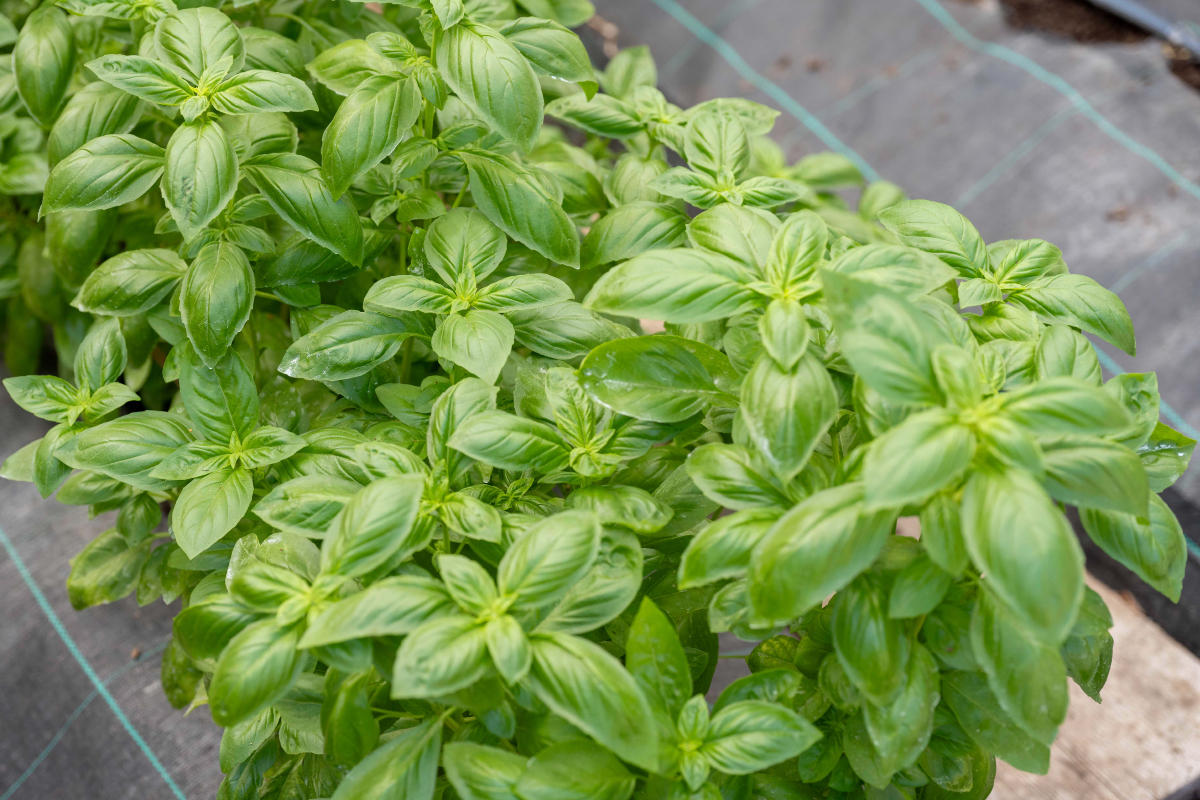
A 100% organic papal harvest
Why so much discretion? “The birth of the Vatican is that of a secret garden,” Giampaolo notes. “After the Lateran Pacts, the Leonine walls were specifically chosen as boundaries to preserve this separate universe that is the papacy,” he observes. Regardless, the Vatican gardens have always had both an ornamental and a productive function, he explains.
While there were two vegetable gardens during certain periods, only one remains today. Over the years, it has been converted to organic farming according to the most demanding ecological standards.
This shift was largely inspired by Pope Francis' encyclical Laudato si’. The document marked a resolutely green turning point for the small state. From an electric vehicle fleet to ecological waste management and sustainable energy, the Vatican has made numerous investments in recent years to become a model of carbon sustainability.
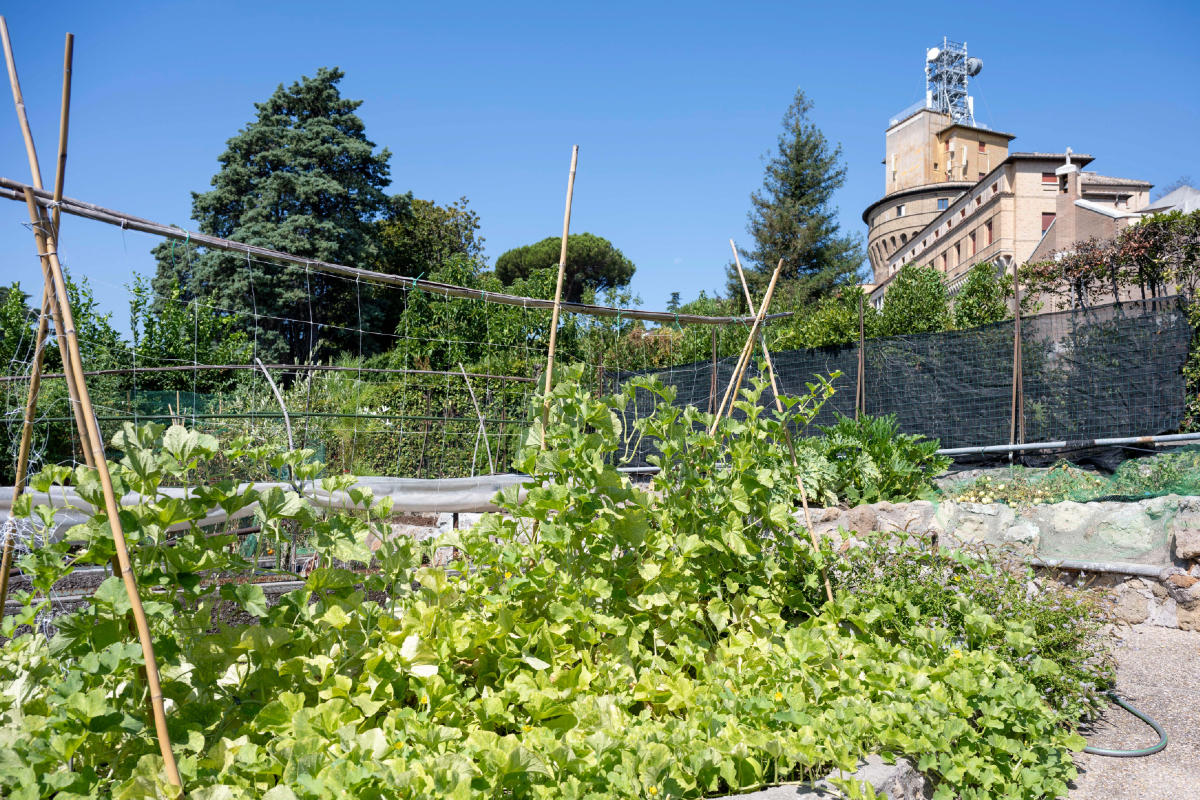
For the vegetable garden, the goal was to “maximize efforts,” Giampaolo explains. Besides abandoning synthetic products, the project aims to strengthen the local ecosystem and biodiversity. “We can now say that it is entirely organic,” he adds.
For Giampaolo, this success lies mainly in the constant presence of the gardeners. They work with “precision and punctuality” to treat and prevent plant diseases. Out of 35 people working in the green spaces department, two gardeners are specifically assigned to this plot.
Forgotten fruit varieties
Returning to nature is the leitmotif of organic production. To guarantee the most natural harvest possible, the Vatican gardeners strive to let the earth breathe. They use non-chemical processes, such as fertilizing tomatoes with a seaweed-based product, and they don’t try to get larger harvests at all costs. “We adapt to the climate and the unpredictability of the seasons,” Bianchi says. Watering isn't automatic, either. He personally evaluates the garden's needs, preserving water resources in the process.
“It’s always more difficult to cultivate with global warming and the urban environment,” Giampaolo admits. In the future, the Vatican gardeners want to select specific varieties of “lost” fruits that have been forgotten by large-scale agriculture. They’re also working on growing plants capable of repelling pests naturally, and they’ve already noticed an increase in pollinating insects.
Some will certainly wonder: Do these mysterious vegetables, the objects of so much dedication, end up on the pope's plate? The Vatican won't say for sure, although it is generally assumed to be the case. Silence is the rule when it comes to the habits of the man in white — a secret as well guarded as the pontifical gardens themselves.