Two Catholic priests were killed in separate attacks in Mexico and Poland in September, prompting calls for justice as authorities investigate.
On September 15, 2026, Mexican priest Fr. Román de la Cruz Hernández died after being shot multiple times. His body was left by the side of a highway in the state of Hidalgo, Mexico. A threatening note was left by his body, although authorities haven’t confirmed its exact content. Fr. de la Cruz was 48 years old and was serving as the pastor of Santa Cruz in the Diocese of Huejutla.
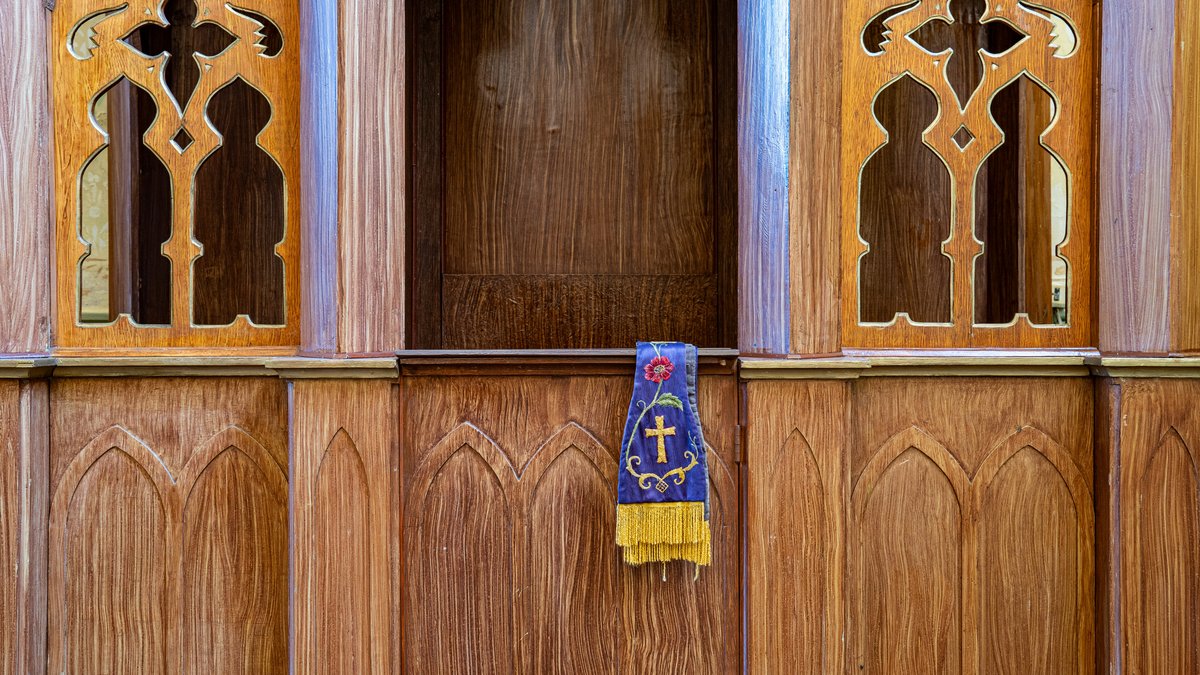
Poland is also mourning the violent death of a Catholic priest. On Thursday, September 24, a knife-wielding man attacked five people, including a priest in a confessional. The attacker killed one priest and injured four others. The assault occurred on the grounds of a Benedictine Sisters monastery in Jarosław, southern Poland. Police arrested a 31-year-old Ukrainian man as the alleged perpetrator. The motive for the attack is not yet clear.
Mexico
The Mexican Episcopal Conference expressed its sorrow and condolences to the local bishop, José Hiraís Acosta Beltrán, and to the entire diocese. The bishops’ conference also called on local authorities to investigate the case thoroughly and ensure that justice be served in a timely manner.
The circumstances of the priest’s death have yet to be determined. However, Aid to the Church in Need (ACN) reports that the region where the murder took place is “characterized by the existence of rival criminal organizations and drug cartels.” In a statement sent to ACN, Bishop Acosta Beltrán of Huejutla lamented “the alarming situation of violence" experienced in many parts of Mexico.
Living in a danger zone
Sadly, Fr. de la Cruz isn’t the only priest who has been killed in Mexico in recent years. According to the Centro Católico Multimedial, a total of 11 priests were murdered in this majority Catholic country from 2020 to 2025. Not infrequently, priests become the object of threats and violence when they denounce organized crime. However, many cases are unrelated to priests' ministry; members of the clergy face the same risks as anyone else living in areas with high crime rates, which is the situation for various parts of Mexico.
“As the pastor of this particular Church, I urgently call on all the faithful and people of good will, that as a society we may build a culture of peace and reconciliation, seeking to eradicate violence,” Bishop Acosta Beltrán said, “and may we never lose respect for the life of any person.”
Poland
Regarding the stabbing in Poland, according to Reuters, a prosecutor explained that “three of the victims are clergy members and two are laypeople; one has died... Two people are in a critical, life-threatening condition.” A nun of the community, Sister Barbara Dendor, told Polish state TV, “We are aware that Father Stanislaw has passed away and Father Marek is in serious condition. There are other casualties, but we do not have further details.”
Both Polish and Ukrainian authorities denounced the attack. Prime Minister Donald Tusk of Poland said that the aggressor “will be punished with the full severity of Polish law.” Ukrainian President Volodymyr Zelenskyy extended his “deepest condolences,” adding that “the perpetrator of this evil must bear full responsibility in accordance with the law.”
The difficult situation of refugees
The New York Times (NYT) reports that there are many Ukrainians living in European countries as refugees from the war against Russia. In Poland in particular, NYT reports, the presence of Ukrainian refugees has not been universally welcomed, despite the countries being close allies. This is due in part to grievances that date back to World War II. The situation has led to friction and occasional bouts of violence between Poles and the refugees.
Authorities have not established any connection between these tensions and the attack. According to TVP World, investigators believe that the suspect “entered Poland from Germany overnight and drove toward the Korczowa border crossing with Ukraine, but did not cross it.” This means that he had entered Poland only hours before the attack.
For the moment, the investigation continues, and the town of Jarosław is observing “a period of mourning through the end of the week.”