Pope Leo XIV expressed hopes that the 500th anniversary of the Augsburg Confession in 2030 will mark an important moment on the shared ecumenical journey.
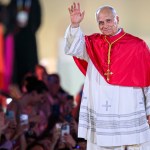
On October 1, Pope Leo XIV appealed to Catholics and Lutherans — and “especially theologians” — to return to their “common roots.” The year 2030 will mark the 500th anniversary of the Augsburg Confession, a major text of Lutheranism. Receiving representatives of the Lutheran World Federation in an audience, the Holy Father expressed his hope that this anniversary will be an important step on the “ecumenical journey.”
In his address, Leo XIV said he is “pleased that the Lutheran-Catholic relations have matured both spiritually and theologically over the decades.” Since 1967, dialogue between the Catholic Church and the Lutheran World Federation has progressed through several successive phases. This dialogue, which is now in its “sixth phase,” has yielded “important insights,” he added.
Notably, in 1999, the two confessions signed a Joint Declaration on the Doctrine of Justification.
A shared moment for 2030
The Pontiff shared his hope that the year 2030, “which marks the 500th anniversary of the Augsburg Confession,” can become a “shared moment” on the ecumenical journey.
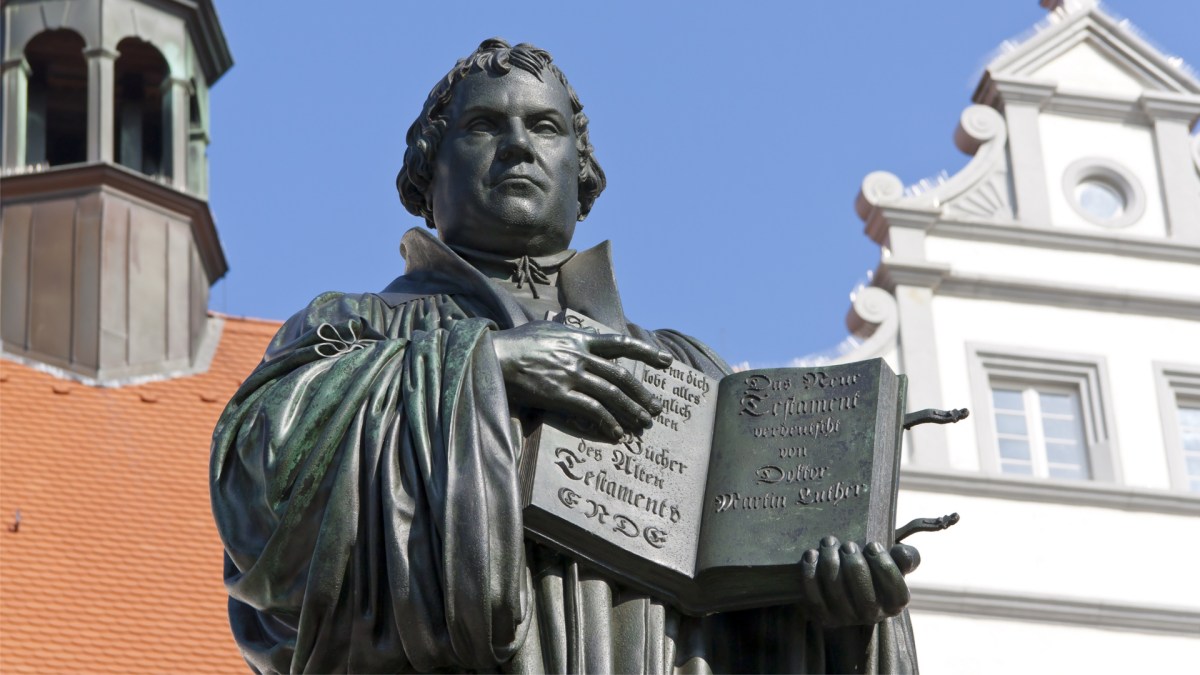
Presented in 1530 to Holy Roman Emperor Charles V at the Diet of Augsburg, this the Augsburg Confession is a foundational text of Lutheranism. It “was originally intended as a document of reconciliation within the Church,” the Pope explained. He pointed out that “only later did it come to be understood as a text of divisive confessionalization.”
Looking ahead to 2030, “it would be good if we could once again succeed in affirming together the pre-confessional ecumenical potential” of this text, he said. Thus, a celebration gathering Lutherans and Catholics in 2030 could follow the 2016 commemoration of the Lutheran Reformation, which Pope Francis attended on October 31 of that year in Lund, Sweden.
Leo XIV issued an “earnest appeal to all believers, and especially theologians, to set their minds on Christ” and return “to our common roots.” He emphasized the need to “rediscover the apostolic and pre-confessional heritage” that unites Christians.
“Our world needs ecumenical witnesses to Christ who make him known through their lives and actions, for Christ alone is the living source capable of fulfilling humanity’s deepest longings,” he concluded.