The Gospel arrived in 1901 with a handful of Montfort missionaries. Today the Church runs 1,806 schools, 93 hospitals, and keeps growing.
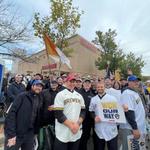
On September 19, 2026, the Catholic Church in Malawi gathered at St. Mary’s Nzama Parish in the Diocese of Dedza — the site of the first permanent Catholic mission in the country — to mark 125 years of evangelization. The celebration brought together bishops, priests, religious men and women, lay faithful, traditional leaders, and representatives of the Malawian government under the theme: “Rooted in Christ, Sent for Mission: Celebrating 125 Years of Evangelization in Malawi.”
The jubilee Mass was presided over by Archbishop Fortunatus Nwachukwu, Secretary of the Holy See’s Dicastery for Evangelization and Special Delegate of Pope Leo XIV for the celebrations — a sign of Rome’s attention to what is, by any measure, one of the most remarkable stories of Catholic growth in the world.
How it began
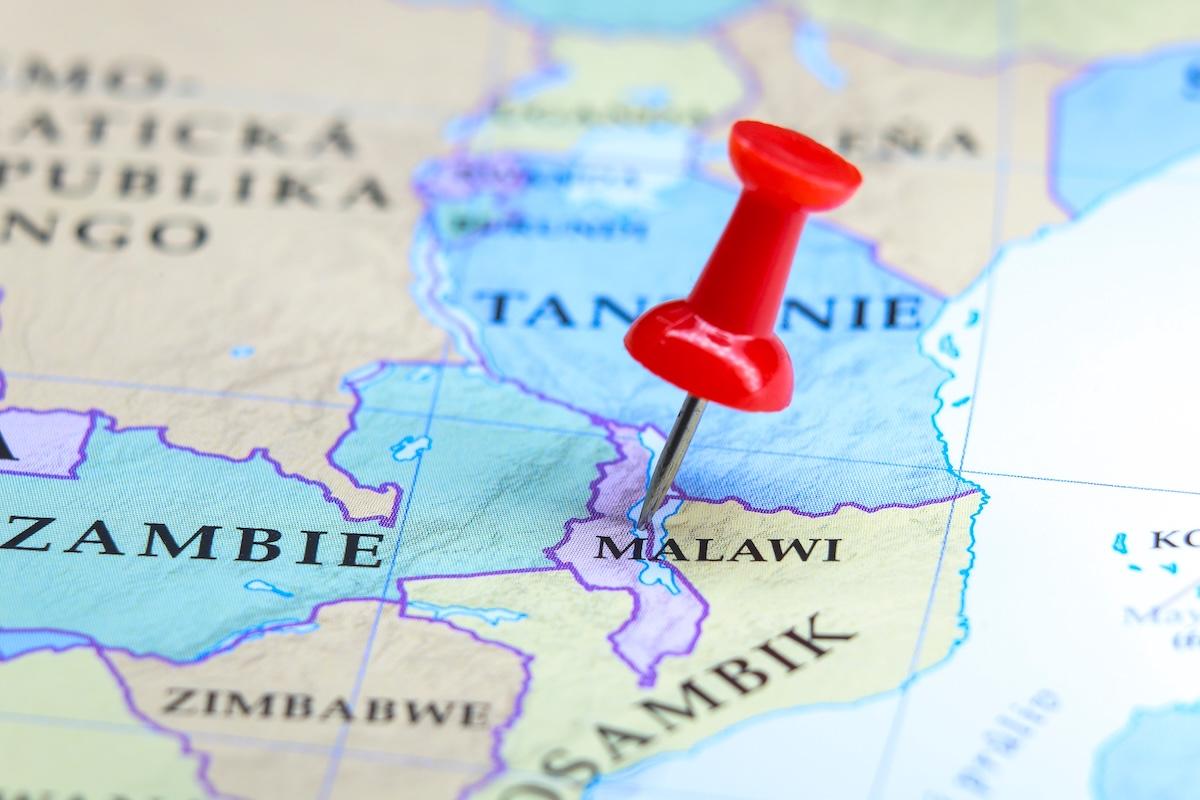
The history of the Catholic Church in Malawi traces its roots to 1889, when the Missionaries of Africa — the White Fathers — arrived at Mponda in Mangochi, on the shores of Lake Malawi. The permanent establishment of the Church came in 1901, when the Montfort Missionaries founded the mission at Nzama in what was then the British protectorate of Nyasaland. It was a small beginning in a poor and remote country, carried forward by missionaries whose names are largely forgotten and whose graves are scattered across the Malawian countryside.
The Malawi Conference of Catholic Bishops, in a statement ahead of the celebrations, recalled those beginnings: “We give thanks for this enduring legacy of missionary witness, sacrifice, and trust in God’s providence, a legacy that continues to inspire the Church’s mission today.” A century and a quarter later, as ACI Africa reported, the jubilee offered an opportunity to remember the generations of missionaries, catechists, teachers, and ordinary faithful who passed the faith from one generation to the next — often without institutional support, in conditions of considerable poverty, against the headwinds of colonialism, political instability, and the structural disadvantages of one of the world’s least developed economies.
What 125 years has built
Malawi is among the poorest countries in the world — consistently ranked in the bottom 10 of the UN Human Development Index, with a per capita income of around $600 per year and a population of approximately 22 million, more than 80% of whom live in rural areas. In this context, the Catholic Church’s institutional presence is not incidental to national life. It is, in many areas, the primary provider of education and healthcare.
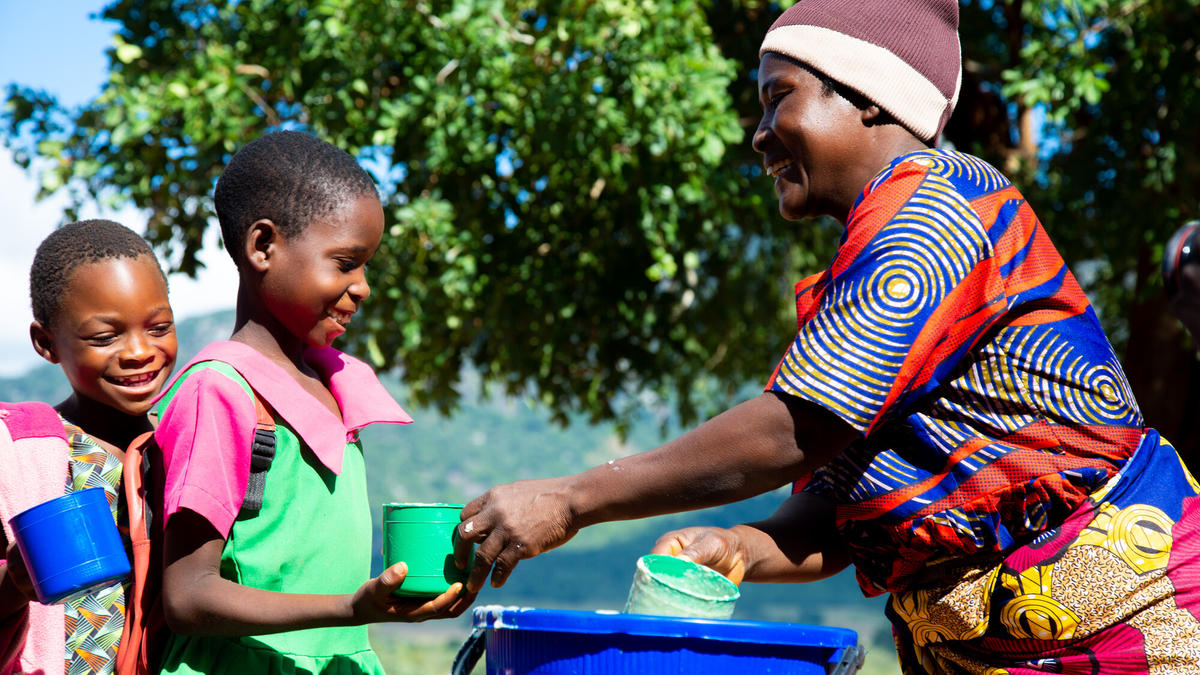
The Church in Malawi currently runs 1,806 educational institutions, 93 health facilities, and 22 social institutions — an irreplaceable part of the country’s infrastructure. Catholic schools featured prominently among the institutions with the highest distinction rates in the 2026 Malawi School Certificate of Education examinations. In a country where the state’s capacity to deliver services is severely constrained, the Church’s schools and hospitals are not supplementary to the public system. For many Malawians, they are the only system there is.
“The Church is ours”
Archbishop Thomas Luke Msusa of Blantyre, in an interview with ACI Africa ahead of the celebrations, described the anniversary as a moment of joy and gratitude — and of transfer. The Church that arrived with foreign missionaries in 1901 is today a Church led by Malawian bishops and priests, sustained by Malawian catechists and lay faithful, and growing steadily. The jubilee coincided with the priestly ordination of two deacons.
“The Church is ours,” Archbishop Msusa said plainly. “The Church is ours, and we have to be proud of that.” He urged Catholics across the country to recognize that they bear primary responsibility for the Church’s future — that the era of missionary dependency is over, and that what was planted from outside has taken root deep enough to sustain itself from within.
A small seed, a large tree
The image that ran through the anniversary celebrations was the parable of the mustard seed — a small beginning that grows into something large enough to shelter others. It is an image that fits Malawi’s Catholic story precisely. The Montfort missionaries who arrived in 1901 could not have imagined the institution they were planting: a Church of millions, running nearly two thousand schools, whose students now outperform the national average in public examinations, whose hospitals serve communities with no other access to healthcare, and whose bishops speak with authority in national political life.