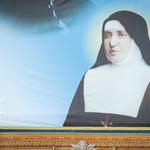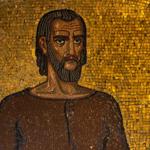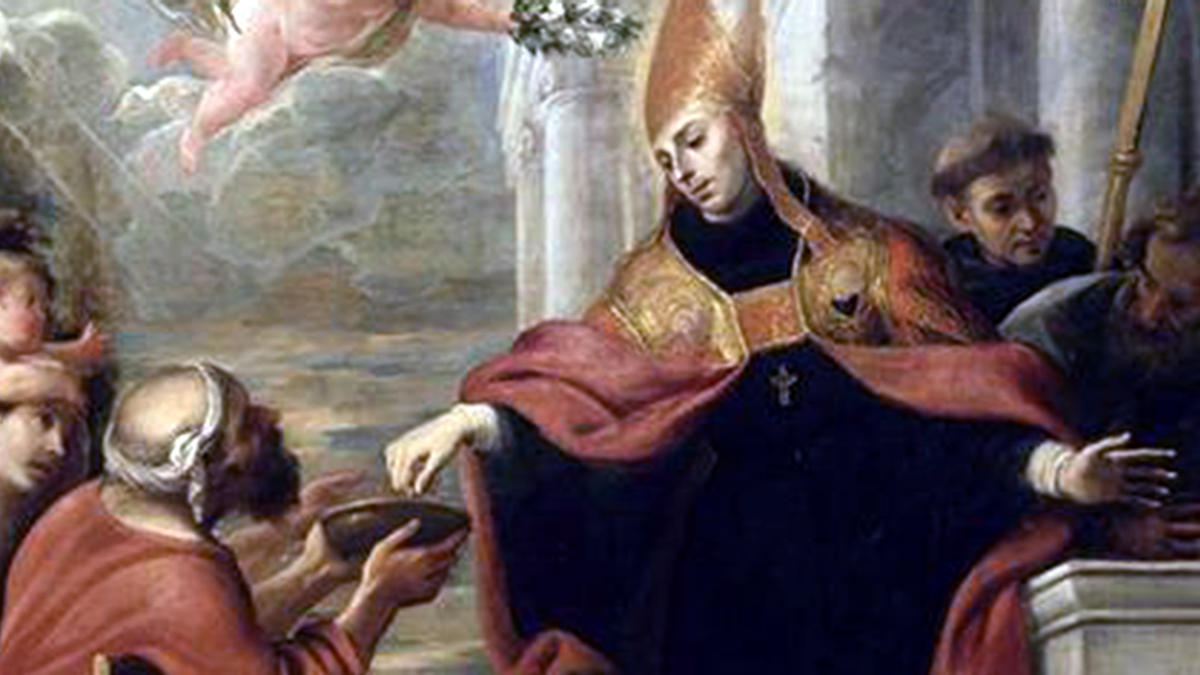
The Augustinian saint, with several links to Pope Leo XIV, was widely known for the special care he had for the poor and suffering in his diocese.
When addressing the Augustinian Province of St. Thomas of Villanova, Pope Leo XIV remarked, "You will be happy to know that the parish church in this town outside of Rome is named after St. Thomas of Villanova, known as Father of the Poor, a wonderfully gifted Augustinian friar and bishop who devoted his life in service to the poor."
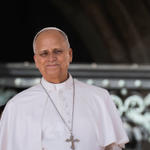
Pope Leo XIV knows St. Thomas of Villanova quite well, as not only is he part of the same religious order, but also because he attended Villanova University (named after the saint) and has a relic of St. Thomas in his pectoral cross.
While St. Thomas' name is well known for these various connections, not everyone knows who he is, or why he has such a reputation for being an advocate of the poor.
Father of the Poor
Born in the 15th century, St. Thomas grew up in a remarkable family where both of his parents were accustomed to giving generously to others.
According to the Catholic Encyclopedia, "Every Friday his father was wont to give in alms all the meal he earned at the mill, besides his usual daily dole of bread. On great feast-days he added wood, wine, and money; while to poor farmers he loaned money and seed. On the death of her husband, Lucia continued the usual alms, and supplied indigent maidens in the neighborhood with clothing and money."
This no doubt had a lasting impact on St. Thomas, as he took that same generosity with him when he was chosen as Archbishop of Valencia, Spain.
He celebrated a special Mass early in the morning for the working class of the city, ensuring that they were ministered to and given the chance to be spiritually filled.
The door to St. Thomas' house was always open, and it is estimated that he personally fed 400 to 500 people. He also appointed special representatives who went out into the streets and found those poor people who did not come for help.
Not only was St. Thomas kind to the poor, he also lived simply. Whenever his garments needed mending, he did so himself. He did not live in luxury as some bishops of his time did, but made sure to "practice what he preached."
The poor loved him dearly, and his example has also given him the title of "Model of Bishops," as he is looked upon as a man who used his power and influence for the greater good of society.
Perhaps someday he will join the ranks of Doctors of the Church, as his writings have been regarded as profoundly influential in the lives of many.