A few rupees and an unexpected act of gratitude taught the young adventurer something he never forgot.
Bear Grylls has eaten some truly disgusting things in his time. Stomachs have churned as he's eaten raw snake, insects, and animal organs. And let's not forget the various other substances that have probably made millions of viewers quietly put down whatever they were in the middle of eating. He’s also climbed Everest, crossed oceans, and survived in places where most of us would struggle to last 10 minutes.
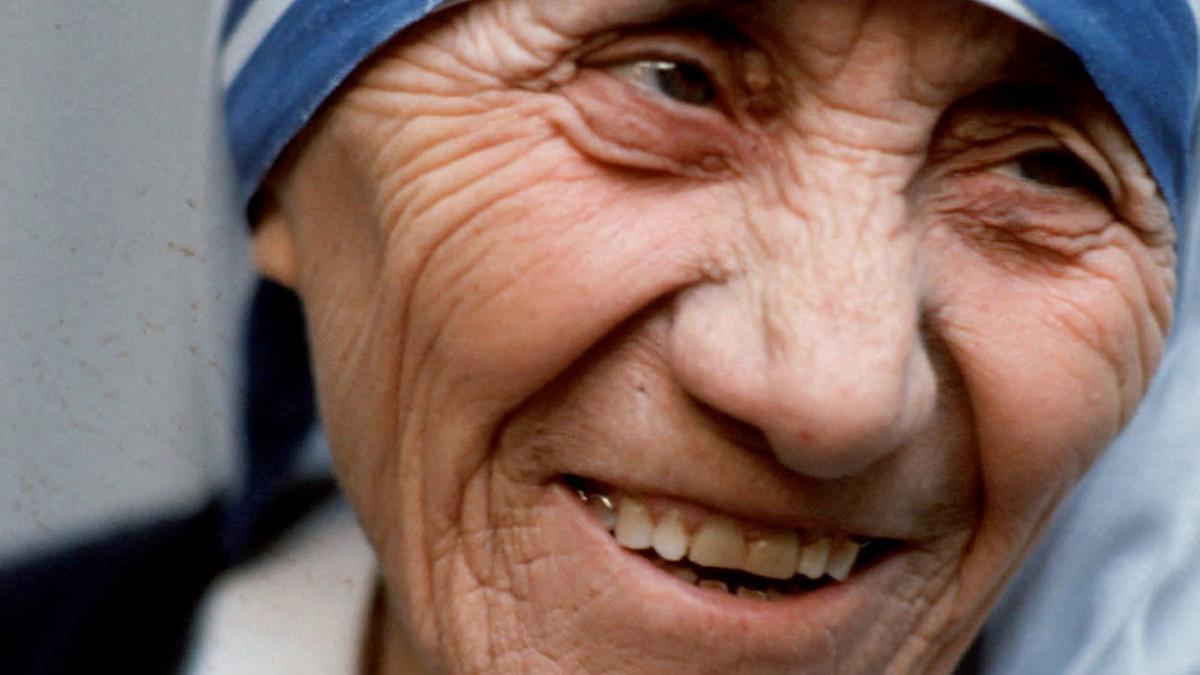
Yet one of the experiences he still remembers from his younger days is considerably less dramatic -- although much more impressive -- involving a few rupees, a scribbled note, and Mother Teresa. While the adventurer has shared the story before, he recently took to Facebook to share it again.
Grylls explains that as a young man traveling through India with dreams of eventually climbing Everest, he decided to seek out Mother Teresa’s mission in Calcutta.
What he encountered on the city’s streets was difficult to take in.
“Nothing prepared me for the streets of Calcutta. I saw people dying in the gutters. Blind, ragged, holding out their arms for a few coins. I felt overwhelmed and useless and ashamed, all at once.”
Eventually, he found the mission, which he described as “a small haven of cleanliness, calm, and care” in the middle of the suffering.
He and his companion went back every day. And before leaving Calcutta, Grylls dropped the few rupees they had left into a collection box, along with a folded note telling Mother Teresa how much her work had moved him.
He wasn’t expecting anything in return. In fact, he’d never even met her. But then, two months later, a letter arrived. Mother Teresa had written to thank him.
A few rupees and a thank-you
Grylls also wrote about the encounter years ago in his autobiography, Mud, Sweat and Tears, where he revealed that he had kept Mother Teresa's letter. His reaction to receiving it was wonderfully simple:
“Her response is called grace, and it amazed me.”
And perhaps that's the beauty in her letter. Grylls' gift was tiny in monetary terms, but the effort behind it wasn't. Here was a young man traveling through an unfamiliar country, with his own adventure and ambitions ahead of him, who had been sufficiently shaken by the suffering he witnessed to go looking for her mission. And having found it, he didn't simply take a look and move on. He returned, gave what he could, and took the time to put into words what her work had meant to him.
Mother Teresa, who had spent her life noticing people others passed by, perhaps knew better than most that the size of a gesture isn't always the best measure of what it means. A few rupees from a young traveler who didn't have much money to spare were still a few rupees freely given, and his note told her that the work being done in those streets had reached someone.
So she made the effort to write back. And clearly, that gesture stayed with Grylls, because years later he returned to the letter and the lesson he took from it:
“You can tell everything about a person by how they treat someone who can do nothing for them.”
Noticing the effort
That one letter can serve to remind us all how we acknowledge effort in the world around us. After all, a gift doesn't have to be expensive to have cost somebody something. A visit may have required a detour. A message might have been written by somebody who wasn't quite sure what to say. Someone may have gone out of their way when it would have been far easier to just not bother. We don't always know what sits behind another person's gesture.
Mother Teresa could have looked at a few rupees and seen a few rupees. Instead, she appears to have seen the young man who had stopped, looked, cared and given what he could.
It's not really a surprise that her reply made such an impression on him. Grylls had noticed what was happening in that mission in Calcutta, and Mother Teresa, in turn, had noticed him. Decades later, he still has the letter, and after all that time, he's still grateful she took the trouble to write it.