In his message for World Food Day 2026, the Pope calls hunger a moral crisis, condemns food speculation, and demands a new global food order.
Pope Leo XIV sent a message marking World Food Day on October 16. The 2026 theme — Innovate Today. Nourish Tomorrow — gave the Pope an occasion to return to a question he has addressed since the beginning of his pontificate: the relationship between food, justice, and the moral condition of contemporary civilization. World Food Day is celebrated every year on October 16, marking the date the United Nations Food and Agriculture Organization was founded in 1945.
Not a technical problem
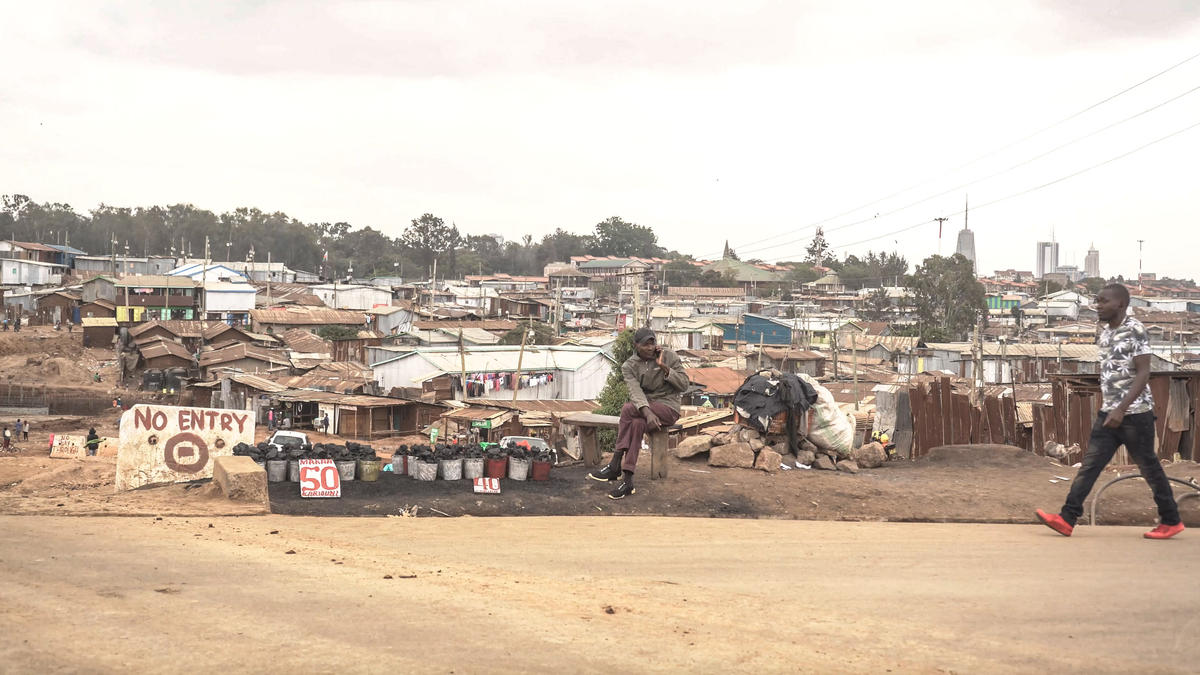
Technology advances at an unprecedented pace while hunger and poverty persist and worsen. This is, in the Pope’s words, “a profound anthropological and ethical crisis,”— one that awaits a moral response before a technical one. “Hunger cannot be considered a statistical anomaly,” the Pope writes. “It is intolerable that bread should be considered a privilege.”
On innovation
The Pope engages the FAO’s theme critically. Agricultural innovation that increases yields while destroying soil, displacing small farmers, or concentrating market power in the hands of a few corporations is, he writes, “a sophisticated form of destruction.” True innovation is measured by “human dignity and ecological integrity” — and it includes the recovery of traditional farming wisdom alongside new technologies, rather than at its expense. Water, he insists, is “an inalienable common good.”
On markets and weapons
Leo XIV states plainly that food must not be treated as “a speculative asset” or “a geopolitical tool.” He condemns monopolies over seeds and agricultural markets that squeeze small producers while concentrating profit elsewhere.
On the use of hunger as a weapon of war, the Pope has been consistent. Addressing FAO leaders in person at their Rome headquarters last year — on World Food Day 2025, the first papal visit since Paul VI in 1970 — he described the deliberate use of food deprivation in conflict as “a cruel strategy that denies men, women, and children their most basic right — the right to life.” That language runs through this year’s message as well, now addressed to the FAO and the international community it represents.
“Moral audacity”
Leo XIV does not ask for renewed commitment to existing frameworks or more ambitious declarations. He calls for “moral audacity” — and specifies what that means: a new global food order, and a redirection of resources currently flowing into the arms industry toward sustainable agriculture and soil regeneration.
“The myth that growth can be endless when resources are limited,” he writes, “has reached breaking point.” What is needed is a different logic, grounded in intergenerational responsibility and in the recognition that the land and water we use today belong also to those who come after us.
“Now is the time for moral audacity,” he concludes. The line calls to mind what he said at the FAO last year, quoting Mark 6:37: “Give them something to eat.”