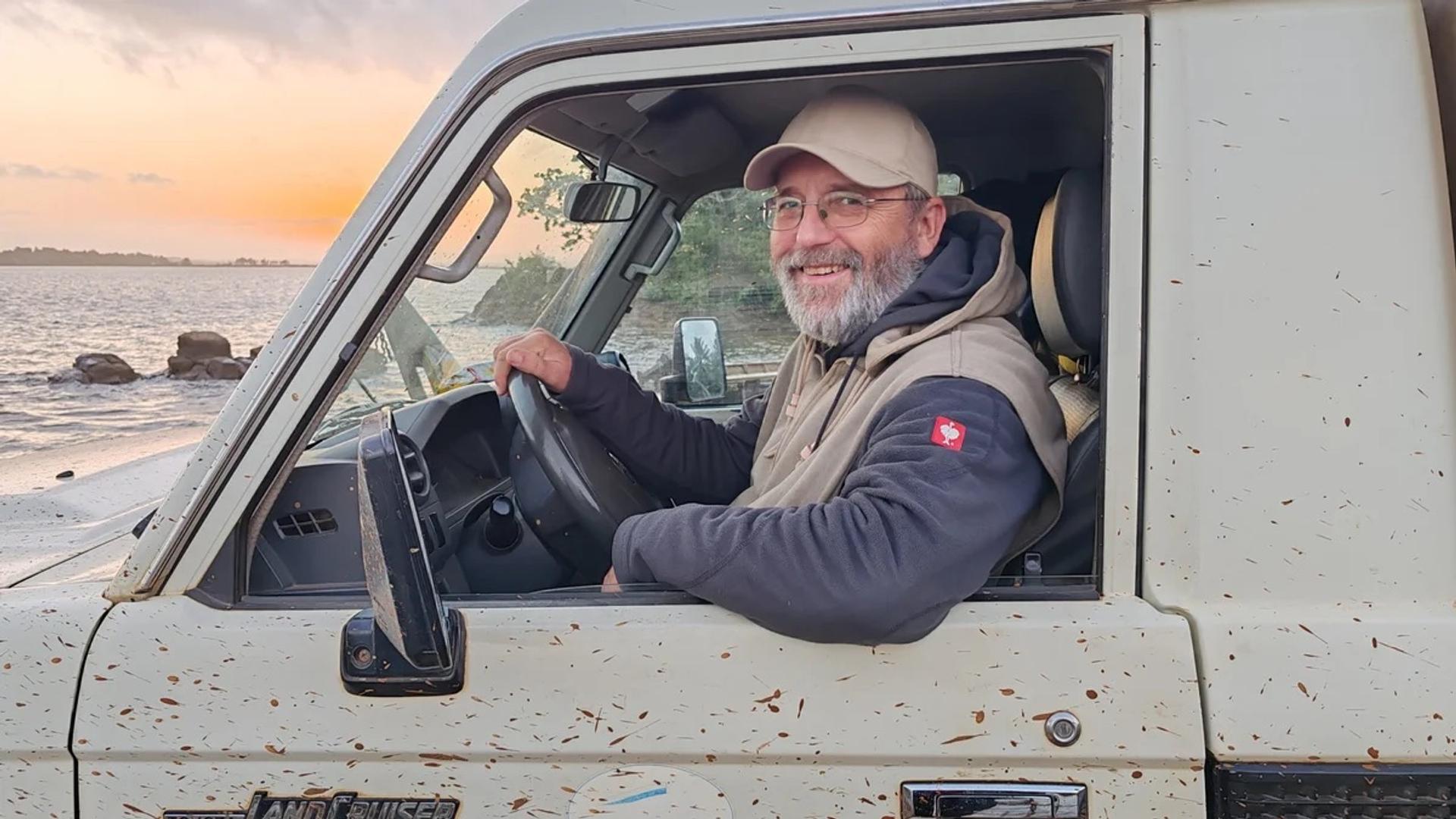
“Our people are poor, but they still have smiles on their faces,” says missionary Father Janez Mesec, speaking about the people among whom he lives in Madagascar. Their joy always inspires him and gives him food for thought. They find joy in the little things, but he admires something deeper: the trust with which they accept life, even when it’s difficult.
This doesn't mean that there aren’t any hardships. Father Mesec also speaks of the pain of losing loved ones and of families who need assistance to survive. Walking alongside them, he repeatedly asks himself what kind of help truly benefits a person.
Finding meaning in life and death
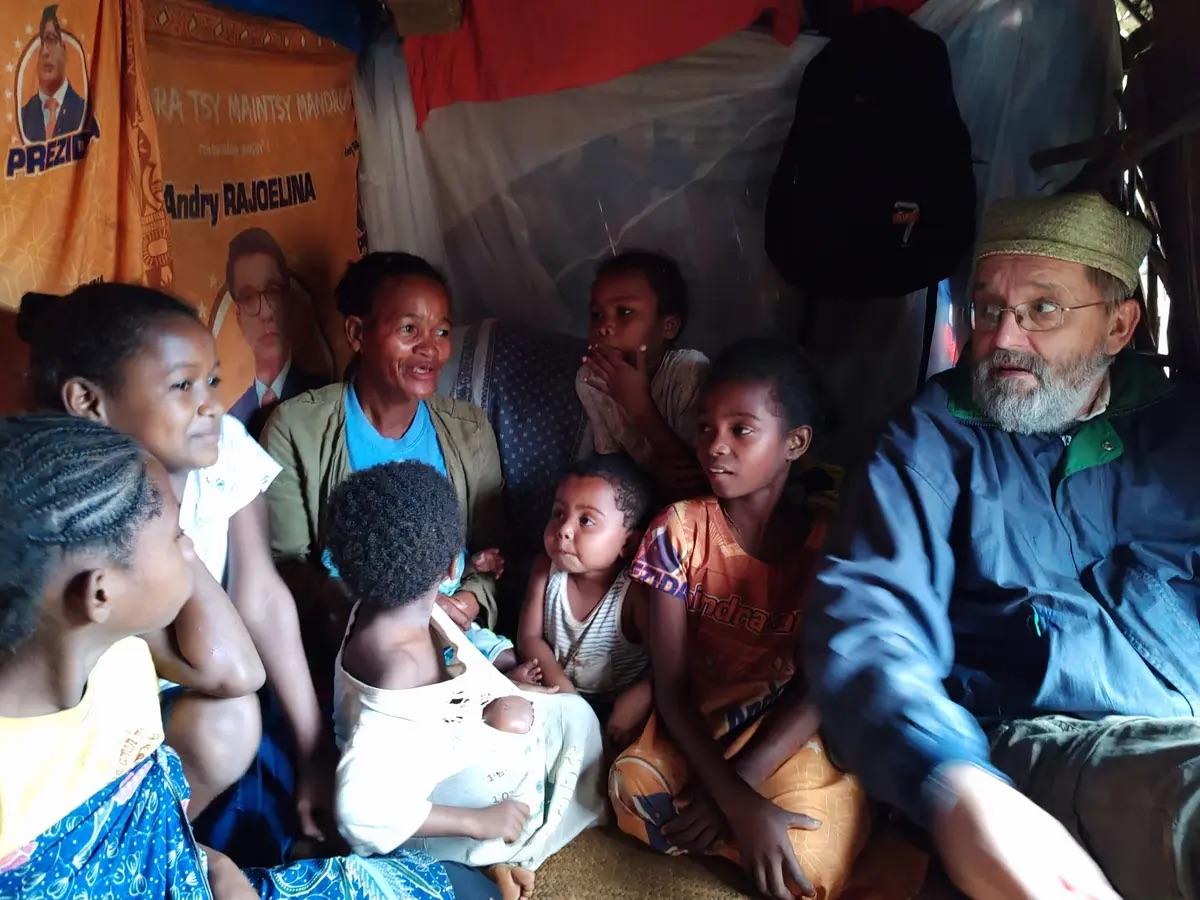
When a villager dies, the community shows what mutual support truly means. They express their grief loudly and openly. Afterward, they work together to prepare everything for the farewell. Funeral rituals hold great significance for them. In their approach to death, Father Mesec recognizes a belief that life isn't entirely in human hands.
“They’re convinced that life has meaning. But they also know that they aren't the masters of life, and that God is the Creator who gives life and takes it away,” he explains. As a priest, he wants to build on that trust by sharing the Christian message of Jesus’ death and resurrection. He wants them to understand that life doesn't simply end in a journey into the unknown. Instead, we have the hope of meeting God, where love, joy, and happiness await us. “I like to share with them the idea that our good deeds pave the way to an eternity of happiness,” he adds.
Work gives dignity
Sometimes the answer to their needs is obvious: the first priority is making sure people have enough to eat. That was the case after a major fire in the community where he works. “We brought in a whole truckload of rice and immediately distributed five tons in a single day,” he recalls. The people were deeply grateful for the help.
But that kind of assistance is for exceptional circumstances. In his daily work, Father Mesec strives to ensure that people aren't dependent solely on what others give them, but can earn enough on their own to support their families.
Therefore, the mission offers various jobs: one person sweeps the courtyard, while another carries stones or sand, chops wood, or helps with other chores. People don't need formal training to make a useful contribution. What matters is that their work is recognized and compensated.
Father Mesec mentions women who receive about one euro (a little more than $1) for a few hours of work in the morning. With this money, they can buy rice and return home with the satisfaction of having helped provide for their families. “When they finish their work, they go home with joy and pride,” he notes.
Every job counts
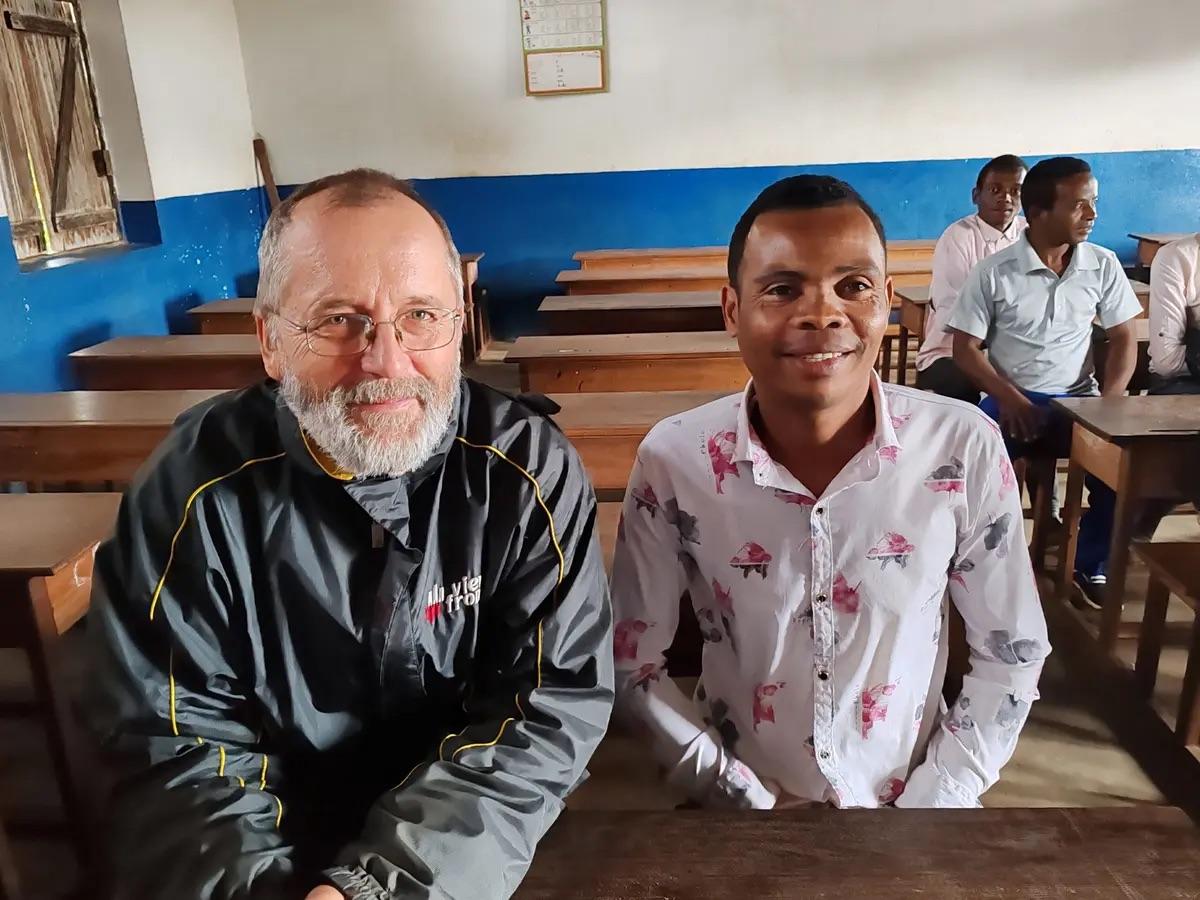
He’s particularly moved by the story of a friend who sweeps the mission’s church and courtyard every day. He does this work regularly and with great joy, and Father Mesec gives him some money for food in return.
“He sweeps the church and the courtyard with such enthusiasm. Every day, day in and day out. That's his job,” the missionary says.
This simple story illustrates his approach to helping others. He wants to give people the opportunity to do what they're capable of and receive payment for it.
“First of all, I am a priest”
What continues to draw Father Mesec to the people of Madagascar after all these years? His answer is his mission.
He had felt a desire for missionary work earlier in life, but it was important to him to be officially sent. When his bishop called him back to Slovenia after 10 years in the missions, he returned and served as a parish priest for two years. When the opportunity arose again later, he gladly went back to Madagascar.
There, he sees many ongoing needs and much work to be done before local priests can take on greater responsibility. Helping people in practical ways is an important part of his daily life, but he understands his mission first and foremost in terms of his priestly vocation.
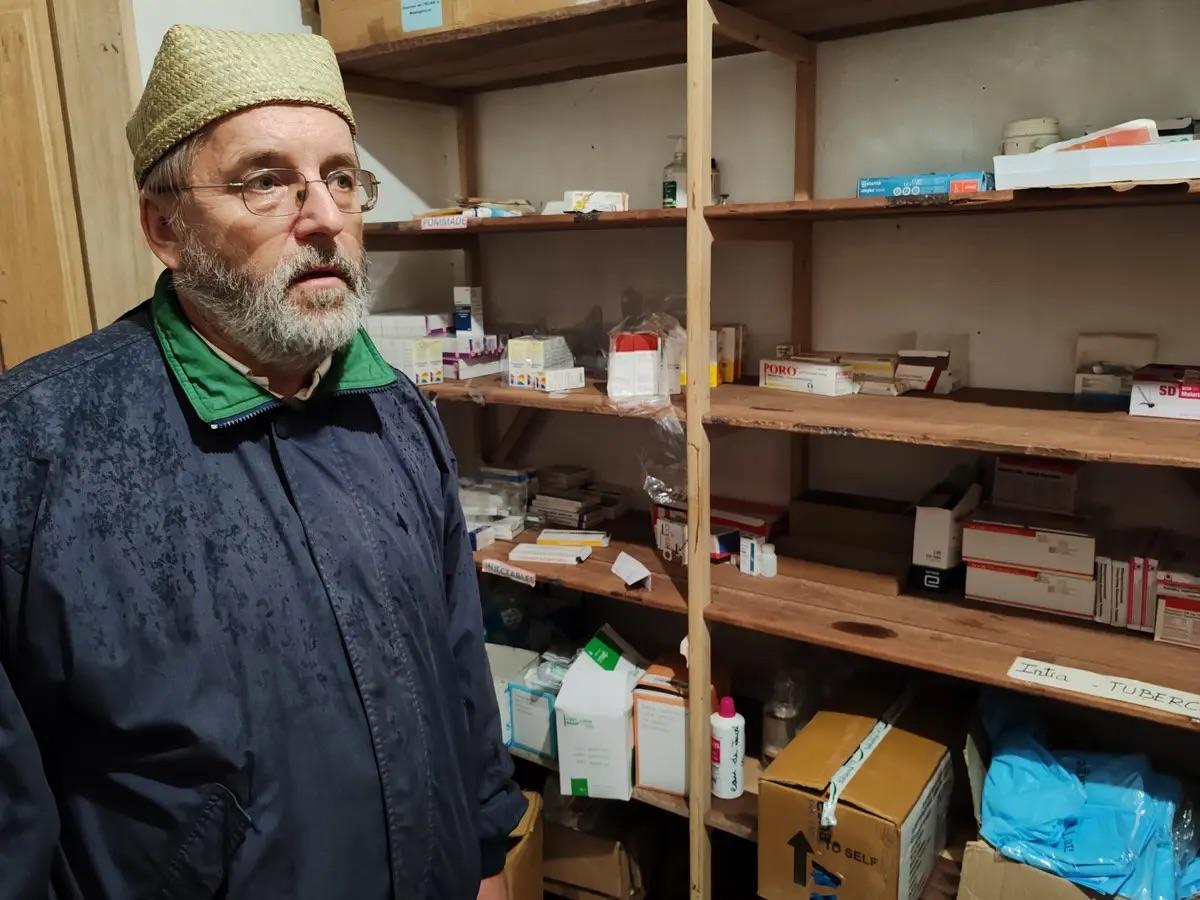
His experience of returning to Slovenia made it even clearer to him that his work shouldn't just be about fulfilling a personal wish. “For me, the essential thing was that I had been sent,” he explains. When he returned to Madagascar, he went where he saw a great need for priests and where local people could one day carry on the work.
“What matters most is that I'm a priest and that I proclaim Jesus Christ,” he says. For him, helping people and evangelizing go hand in hand.
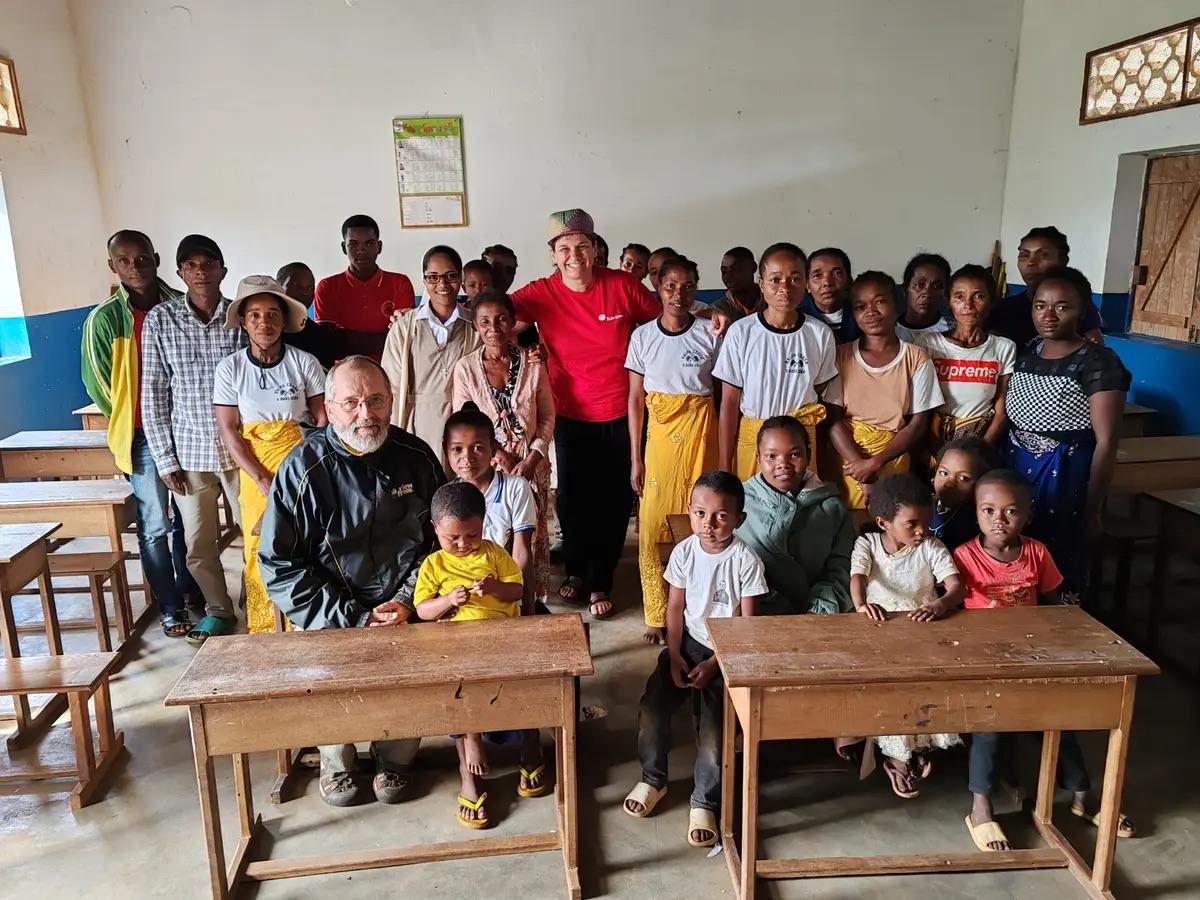
Therefore, when he speaks about the people in Madagascar, he doesn't focus solely on their poverty. He sees their joy, their faith, and their desire to provide for their loved ones through their own labor. And his task, as he understands it, is to accompany them on this journey.