In a warm letter to a 92-year-old cardinal, Pope Leo offers a lovely lesson in making our gratitude personal.
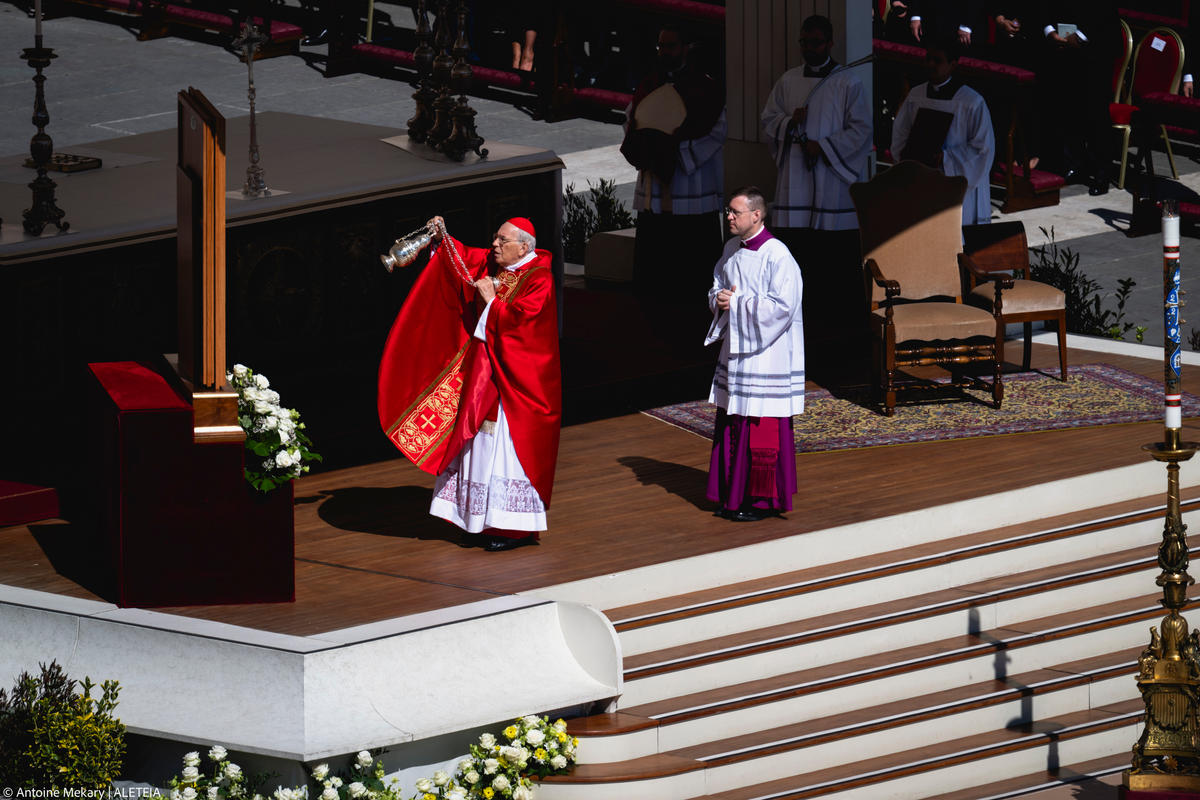
If you watched Pope Francis' funeral in April 2025, you'll almost certainly recognize Cardinal Giovanni Battista Re. Standing before the late Pope's simple wooden coffin in St. Peter's Square, the white-haired Italian cardinal was the man who presided over the funeral Mass at the tender age of 91, giving the impression that he was more fit than many people three decades younger.
And after such a momentous occasion, there wasn't exactly time for him to put his feet up afterwards. Just days later, Cardinal Re was back in St. Peter's Basilica, presiding over the Mass before the younger cardinals (those under 80) disappeared into the Sistine Chapel to choose Francis' successor. That conclave gave the Church our Pope Leo XIV, showing how Cardinal Re had helped steer the Church through the death of one pope and the election of another, all at an age when most people would consider themselves thoroughly entitled to a quieter diary.
His service to the Church continued after those momentous days, and ... he just doesn't slow down.
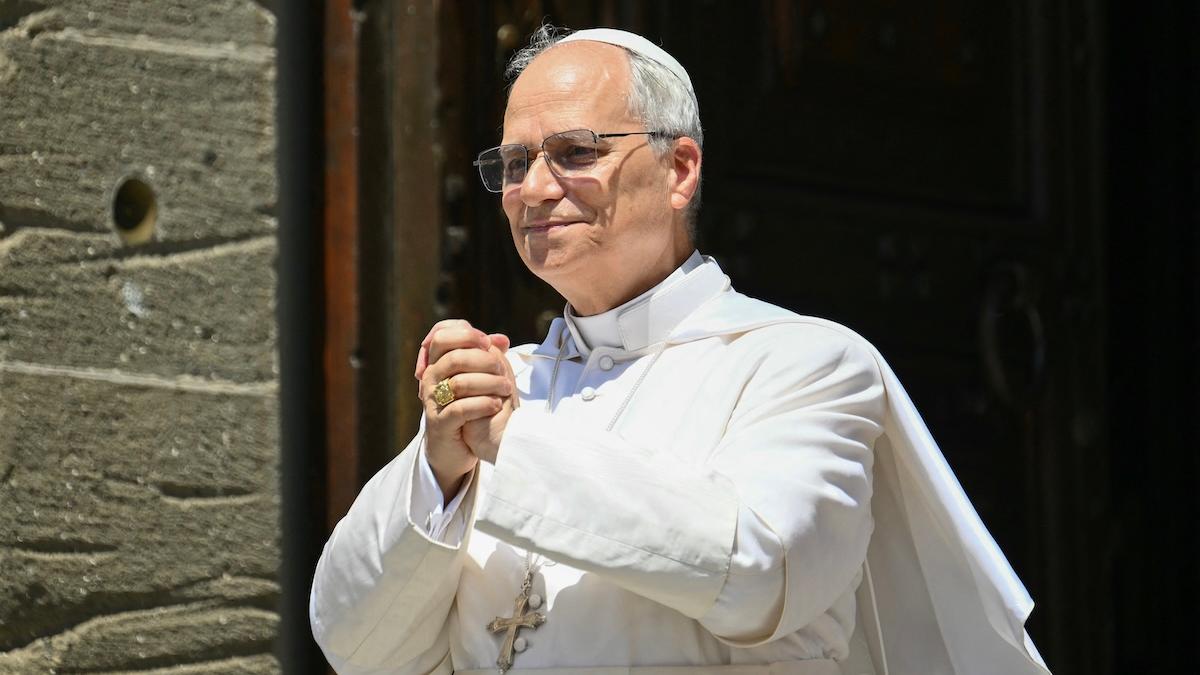
Now 92, Cardinal Re has finally stepped down as Dean of the College of Cardinals after more than six years in the role, and Pope Leo has marked his retirement with a wonderfully warm letter of thanks.
It's worth reading, not only because Re has had an extraordinary life, but because the Pontiff does something in it that we're not always very good at ourselves. Instead of reaching for a generic “thank you for everything,” he tells Re precisely what he is grateful for, what he admired about him, and what he will remember.
And below you'll see how his letter creates a pretty lovely lesson in how to thank someone properly.
Say what you appreciated
Leo certainly acknowledges Cardinal Re's considerable achievements, but he doesn't leave it there. He tells him which qualities he valued, recalling his “open, cordial, and frank manner,” his wisdom and practicality, and his willingness to make himself available to others.
That's a small distinction, but an important one. “Thank you for everything” is lovely to hear; being told exactly what somebody noticed and appreciated about you is something you might remember for years.
Remember the road you've traveled together
If you take the time to read the letter, you'll see the Holy Father also takes the time to look back. The new retiree entered the Holy See's diplomatic service as a young priest and eventually became one of St. John Paul II's closest collaborators, working alongside him during the Great Jubilee of 2000 and accompanying him on apostolic journeys around the world. John Paul II later made him a cardinal and entrusted him with leading the Congregation for Bishops.
Leo doesn't simply list those achievements, however. By recalling different moments from Cardinal Re's long ministry, he lets him know that the years themselves have been noticed. And that's something worth remembering when we're thanking someone who has been part of our own life for a long time: Don't just thank them for the last thing they did. Remember some of the road you traveled together.
Tell them what you see in them
Finally, Leo reaches back to the motto Re chose when he became a bishop: Virtus ex alto, or “Strength from on high.” He tells the cardinal that throughout his ministry he has known how “to invoke and receive strength from the Lord and His Grace.” Here, the Holy Father has clearly hit on a truth that could hardly be more visible!
Leo could simply have thanked Re for his many years of service and left it there. Instead, he reaches back to words the cardinal chose for himself decades ago and, in doing so, gives him something far more personal: the knowledge that the way he tried to live his life was seen and appreciated.
There’s a lovely lesson in that for any of us struggling to find the right words for a retirement card, farewell speech, or simply a long-overdue thank you. Think about the person in front of you, the qualities that have made a difference to you, the moments you still remember, even the little things they may have forgotten themselves. Because sometimes the loveliest way to thank someone is to show them that you were paying attention all along.