Last summer, a Canadian judge ordered the accuser of Cardinal Marc Ouellet to pay $100,000 CAD in damages, finding that the cardinal's decades-long ministry and moral authority had been affected by the defamation he suffered over the last four years. Cardinal Ouellet consistently denied and wrongdoing, acknowledging that “the enormous hype in the Catholic world [caused by the allegations, had] affected his reputation, his moral authority, and his health.”
In 2021, the plaintiff, Pamela Groleau, wrote to Pope Francis to accuse Cardinal Ouellet of sexual assault. According to Groleau — a former employee of the Archdiocese of Quebec — the Canadian prelate allegedly acted inappropriately toward her on four occasions between 2008 and 2010 while serving as the city's archbishop.
Following a preliminary investigation, Pope Francis opted not to pursue the case. The Vatican determined there were “insufficient elements to open a canonical investigation for sexual assault by Cardinal Ouellet.”
The plaintiff then turned to the civil courts.
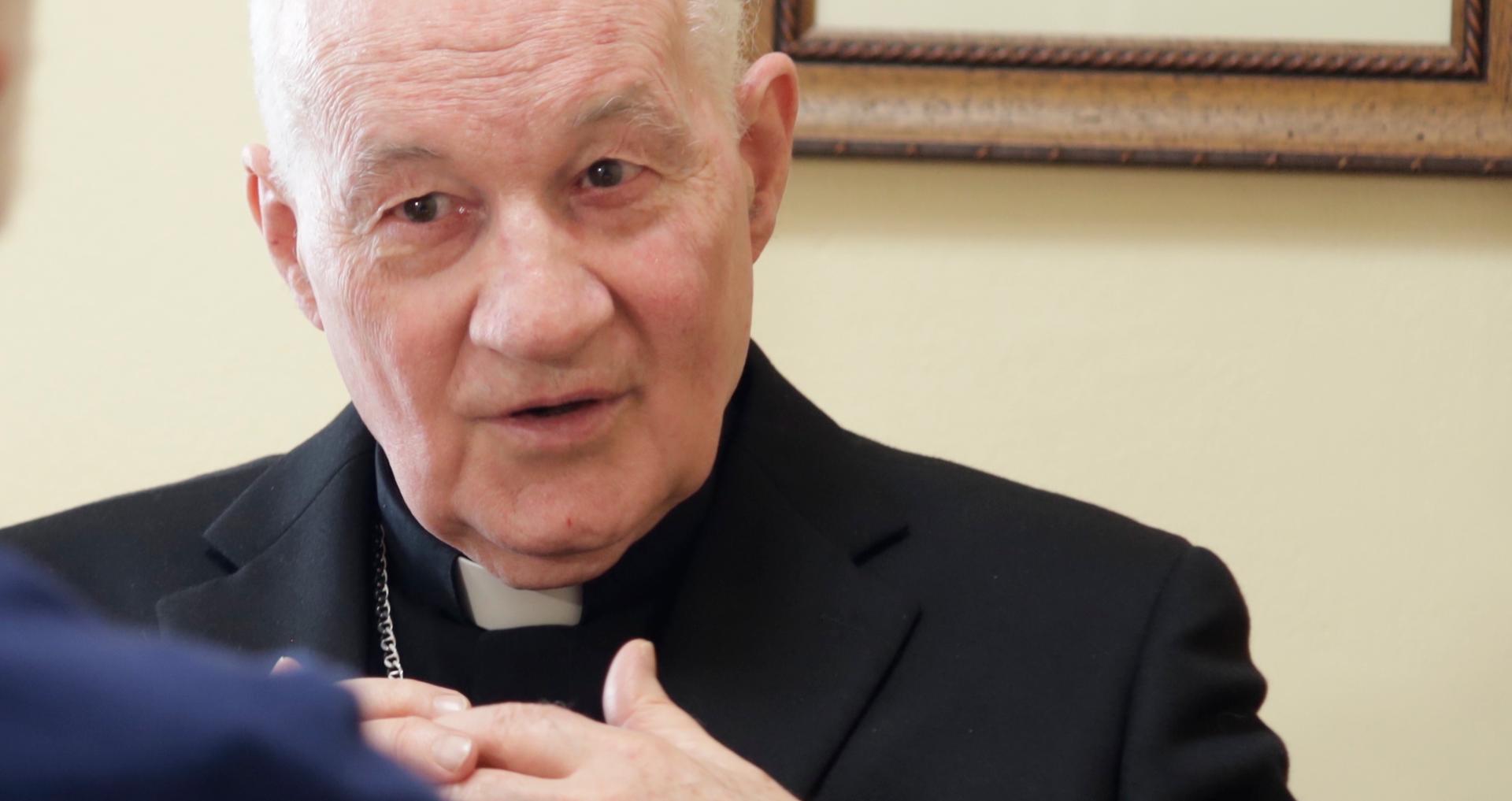
Earlier this month, the cardinal spoke with Rome Reports about the whole ordeal. The cardinal explained, “When I think about the whole affair from start to finish, it lasted four years. Well, it felt like a nightmare, a very difficult and costly experience, because I had to hire lawyers to defend myself, and this had an impact on my reputation, my moral authority, my health, and many other things.”
The Canadian judge, in a 52-page decision, stated: “Ms. Groleau, dissatisfied with the handling of her complaint to Pope Francis, chose to modify her version of the facts to attract public attention." He added that Cardinal Ouellet was the victim of defamatory remarks by Groleau, who changed her story “several times,” and was “neither credible nor reliable.”
"Presumption of guilt"
The cardinal reflected: “I think that today, with all the cases that have been publicized, there’s actually a presumption of guilt. And so, I felt like I was under this cloud of suspicion and doubt, because I saw people who invited me and didn’t know what to do anymore. So, there were cancellations, precautions, and explanations as to why I was at a certain event or had been invited to give a lecture. I was a controversial figure and all these very unpleasant things.”
But the cardinal was quick to point to the much greater suffering of those who are victims of sexual abuse.
He asked that we pray for victims' healing and reconciliation. "When I think about this, I also think of those who have suffered, the victims of sexual abuse who have suffered more than I have, much worse than I have. And that even when they are recognized as true victims and receive compensation, this does not solve the problem of their pain, which they often carried in silence for decades before they could speak out. So, my case is small in comparison to this suffering. That is why before God, I pray for all those who suffer more than I do and also for the perpetrators of these crimes.”
This was what led the cardinal to donate the funds he received from the ruling directly toward fighting sexual abuse in Canada's Indigenous communities.
Learn more about the lawsuit and the ruling in the article below:
Fund for healing
Canada has a fund to support Indigenous communities, in the context of the many abuses they suffered, sexual and otherwise.
Cardinal Frank Leo of Toronto urged the faithful to consider donating in the context of the National Day for Truth and Reconciliation. Cardinal Leo encourages the faithful to be instruments of healing, reconciliation, and hope.
“This requires us to listen with humility, acknowledge the wounds of the past and work together to restore relationships that have been fractured," he said. He called for prayerful and financial support of the Indigenous Reconciliation Fund (IRF) through a collection that took place during the first weekend of October. “The Fund was established by the Bishops of Canada as part of our ongoing journey of healing and reconciliation.”