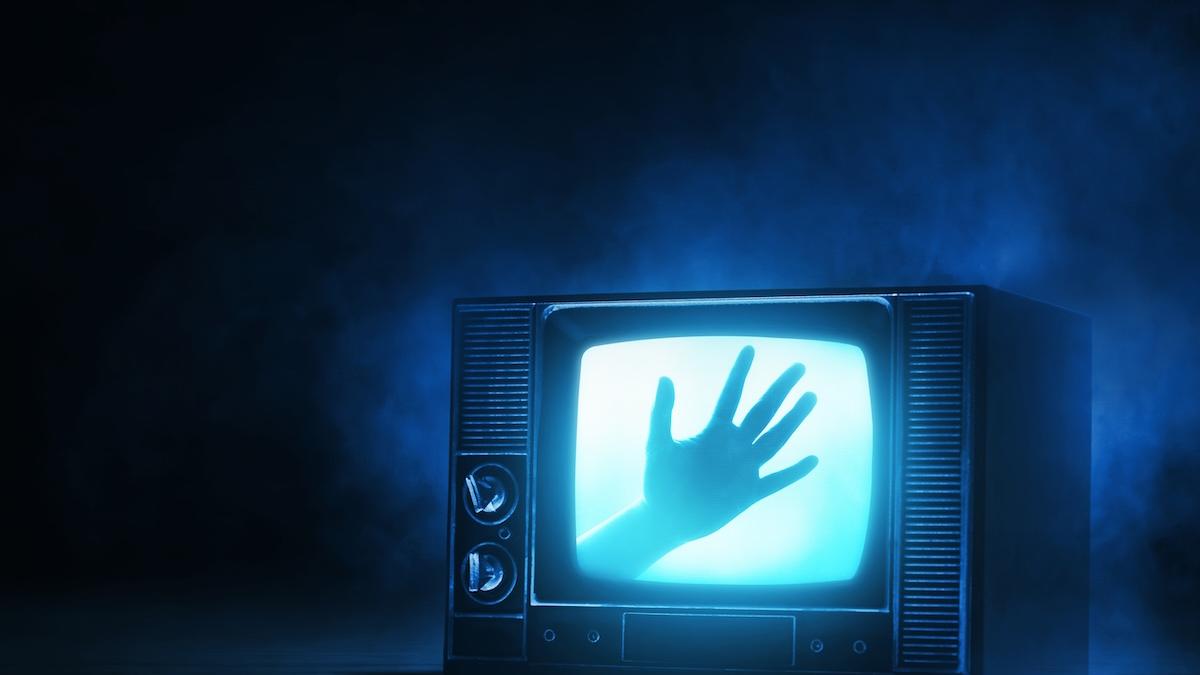
There are four elements of horror and trauma that seem to be at play in the horror trend we're watching now.
Horror movies are huge right now, gaining critical acclaim and box office success, and I think I know why. Our stories help us process truths we can’t face straightforwardly: Dramas help us process tension in relationships, science fiction helps us think about the changing world, and horror movies allow us to acknowledge the supernatural forces we fear.
I watched a number of the biggest new horror movies — on fast forward in some cases (I get very scared) and skipping unwatchable scenes (check content reviews such as IMDB Parents’ Guide before watching). Here are my thoughts about what a few of the big horror movies of our time are trying to say, in four different categories.
First, a surprising number of horror movies are about psychological trauma.
Horror has always helped us think about the dark parts of our own minds, from Doctor Jekyll and Mr. Hyde to The Shining. Our big new horror movies update the trend.
Backrooms (2026) starring Chiwetel Ejiofor is a horror movie that grew out of an internet trend exploring an “evil Narnia” world of fluorescent-lighted corporate hallways and rooms. In the movie, the backrooms are shaped by visitors’ darkest experiences and the psychological loops they can’t escape. It’s not fun to watch but I couldn’t stop thinking about it.
Hokum (2026) starring Adam Scott is an old-school horror movie about a man visiting the Irish hotel his parents honeymooned in. He is haunted by a mistake he made growing up, and the hotel is haunted too.
Smile (2022) is another movie about a demon who enters through psychological trauma. It causes victims to smile until it destroys them — which is what real trauma does when we try to ignore it.
Second, a number of horror movies examine family brokenness.
Of course, these movies about trauma are often about family-related trauma. Others look directly at the family.
Other Mommy (2026) starring Jessica Chastain has a quietly terrifying trailer that’s hard to forget. Based on John Malerman’s book Incidents Around the House, it is about a demon, but also about the destructive power of secrecy in families.
Boogeyman (2023) is about a family mourning a mom’s death, who at first don’t believe the daughter who says there is a monster in her room. But there is — a monster who feeds off the family’s pain.
Hereditary (2018) starring Toni Collette is a truly twisted movie about a family — but has been hailed as the new standard for horror, so I watched it. Its story attacks hope by using vital family relationships as tools of evil.
Third are movies that acknowledge that sex has far more importance than we give it.
By killing off teens who broke taboos, 1980s slasher movies pricked the culture’s conscience about our newly loosened sexual morals. In the 21st century, horror movies raise new conscience issues.
Obsession (2026) starring Inde Navarrette is a movie about a guy who is afraid to tell his crush that he likes her, so he wins her over with a magic wish instead. The real villain here is the weak, self-centered man who prefers a woman with no agency — implicating pornography and human trafficking, which go hand in hand.
It Follows (2014) deserves mention because it caused a huge sensation more than 10 years ago by acknowledging that the emotional connections forged by casual sexual encounters haunt us, unstoppably — like the creatures in the film.
Fourth are a few movies that show the culture trying to process religious questions.
The biggest horror movies have always asked religious questions, from Dracula to The Exorcist. Our big new horror movies do also.
Heretic (2024) is a Hugh Grant movie about two Mormon missionaries who visit the house of an anti-religious extremist who has horrifying plans for them. The movie treats the missionaries with respect and compassion and their tormentor with contempt.
Life of Chuck (2024) starring Tom Hiddleston is not a horror film, though it has horror elements — mysterious deaths and a locked copula room you must not enter. It’s not perfect, but its central metaphor does a beautiful job of illustrating the grandeur of humanity and the infinite dignity of the human person.
A Quiet Place (2018 — part 3 coming in 2027) from John Krasinski is the most watchable horror movie on the list, content-wise, complete with a Bishop Robert Barron review that swears it’s religious. See if you agree with him.