As the 2,000th anniversary of Christ’s baptism approaches, Jordan is moving to protect and develop Bethany Beyond the Jordan for millions of expected pilgrims
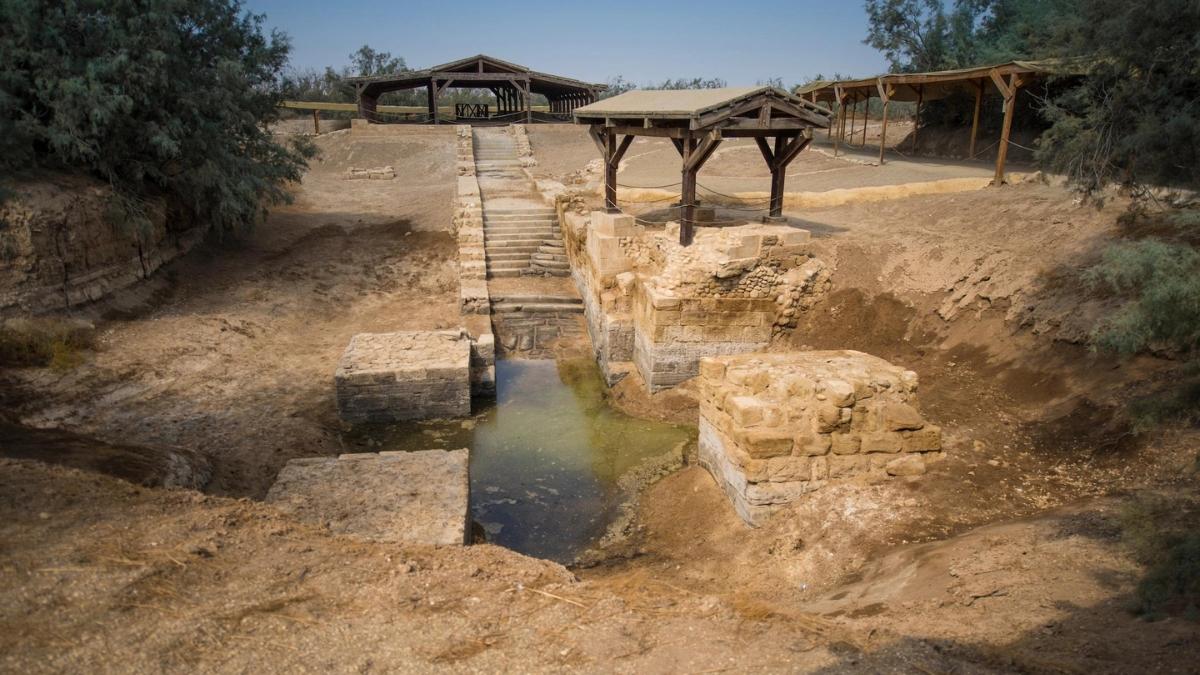
The Jordanian Cabinet has approved the designation of the Baptism Site — the place on the eastern bank of the Jordan River where Jesus was baptized by John — as a protected nature reserve covering 10 square kilometers, (nearly 2,500 acres, about three times the size of New York's Central Park). The move is part of a broader set of preparations for the 2,000th anniversary of the baptism of Jesus Christ, to be marked in 2030.
The government will proceed with the necessary procedures in accordance with relevant laws and regulations, according to a statement from the Prime Ministry. The nature reserve designation places the site within Jordan’s national network of protected areas, adding an ecological layer of protection to the UNESCO World Heritage status the site has held since 2015.
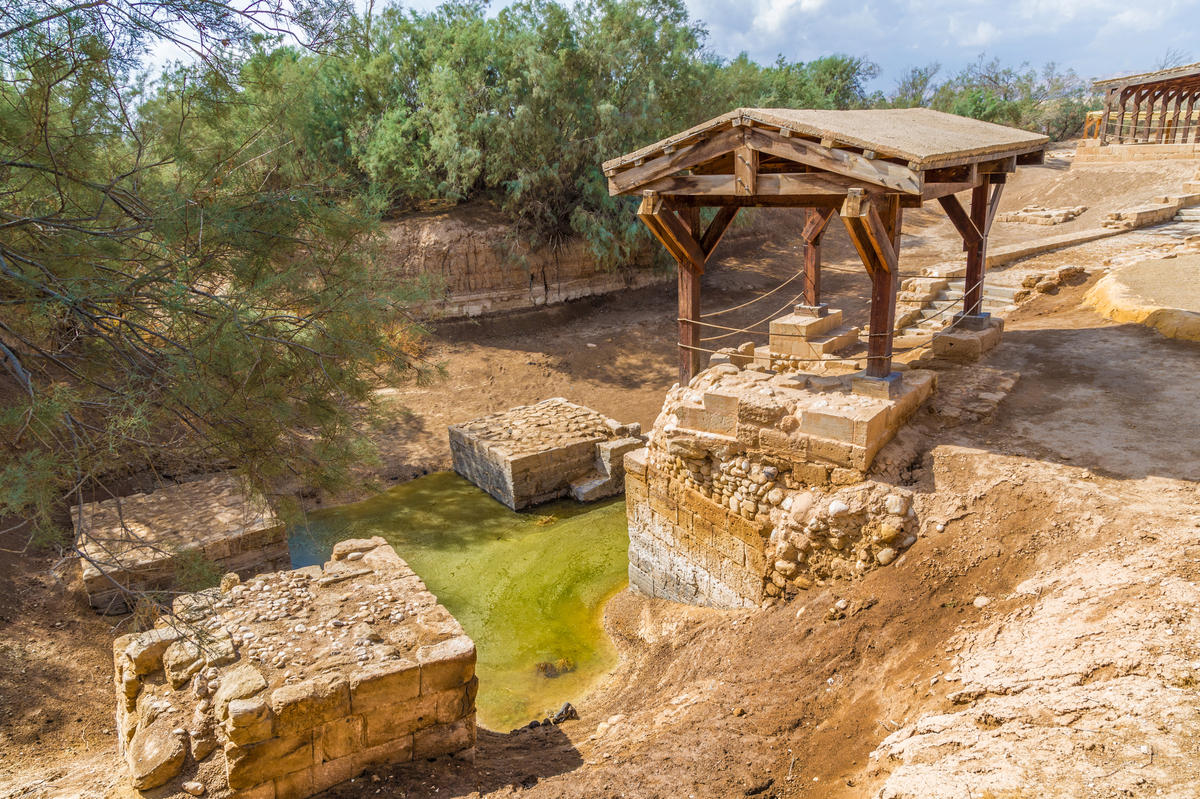
Where it all began
Bethany Beyond the Jordan, also known as Al-Maghtas, sits opposite Jericho on the eastern bank of the river. It is venerated across Christian traditions as the place where Jesus entered the waters to begin his public ministry — the moment the Gospels describe as the opening of the heavens and the descent of the Spirit. Archaeological remains of ancient churches and monasteries testify to millennia of unbroken Christian devotion to, and in the site.
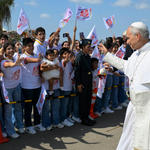
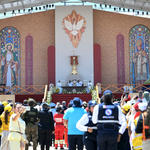
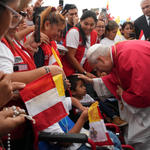
Four popes have visited it. Paul VI came in 1964; John Paul II, Benedict XVI, and Francis followed. Jordan is the only country to have welcomed all four. Pope Benedict XVI even blessed the foundation stone of a Latin church on the site during his pilgrimage. (An invitation by Jordan's king to Pope Leo was already extended last year, shortly after his election. And Pope Leo has his eyes set on the Holy Land at least for 2033, if not before.)
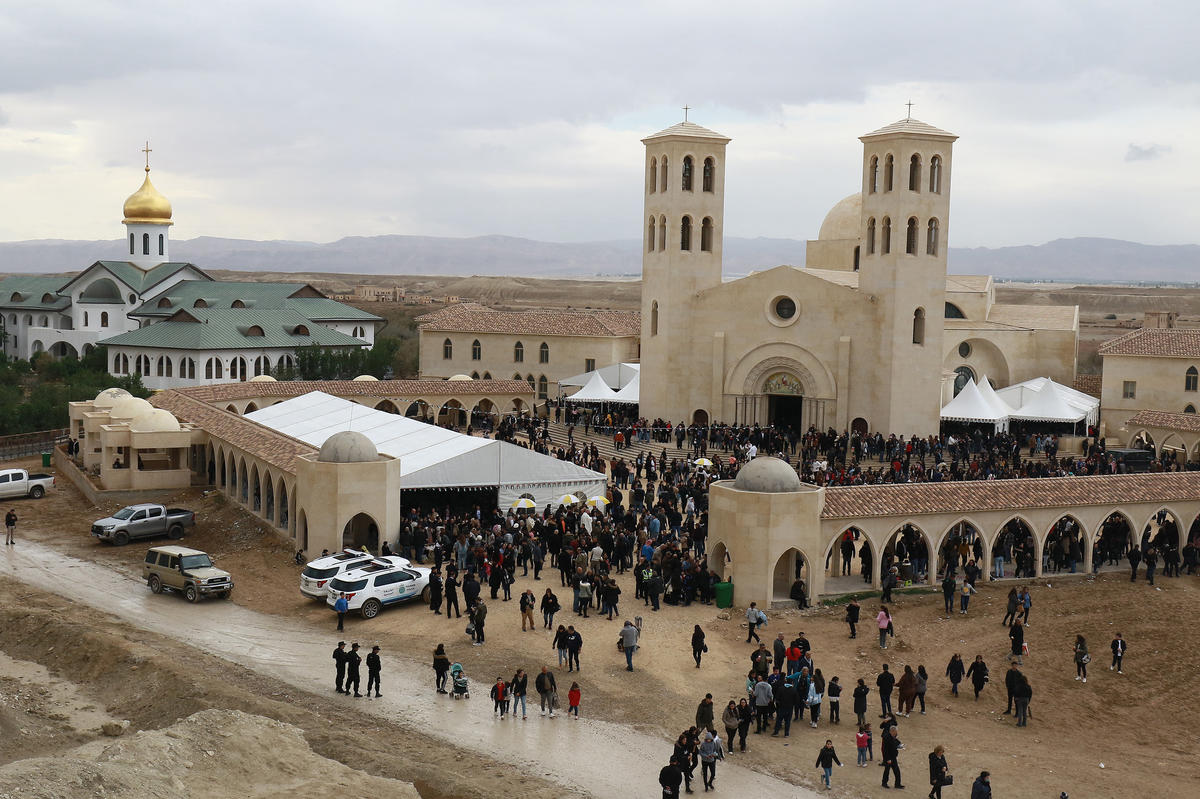
$120 million in preparation
The nature reserve designation is one piece of a larger plan. On August 12, Prime Minister Jafar Hassan signed agreements authorizing $120 million in development projects near the site, at the direction of King Abdullah II. The projects include a baptism museum, a pilgrim and visitor village, and ecological walking trails, all developed in line with UNESCO conservation guidelines.
The government is coordinating with Cardinal Pierbattista Pizzaballa, Latin Patriarch of Jerusalem, the Council of Church Leaders in Jordan, and churches worldwide. Organizers are hoping for millions of Christian pilgrims in 2030 and the years following, coinciding with the 2,000th anniversary of Christ's public ministry, and then in 2033, his death and resurrection.)
Cardinal Pizzaballa, speaking at a gathering hosted by King Abdullah II at the site earlier this year, described the baptism of Christ as an event that continues to speak to every believer — a living encounter available to those who come. He called for the site to remain “a living place, where visitors do not simply come to see,” but to encounter God and renew their own baptism. He praised Jordan’s role in protecting the site and described the king’s commitment as an example of how faith can build bridges between peoples.
The 2030 jubilee is being planned as a global spiritual event — an invitation to Christians everywhere to return to the source.