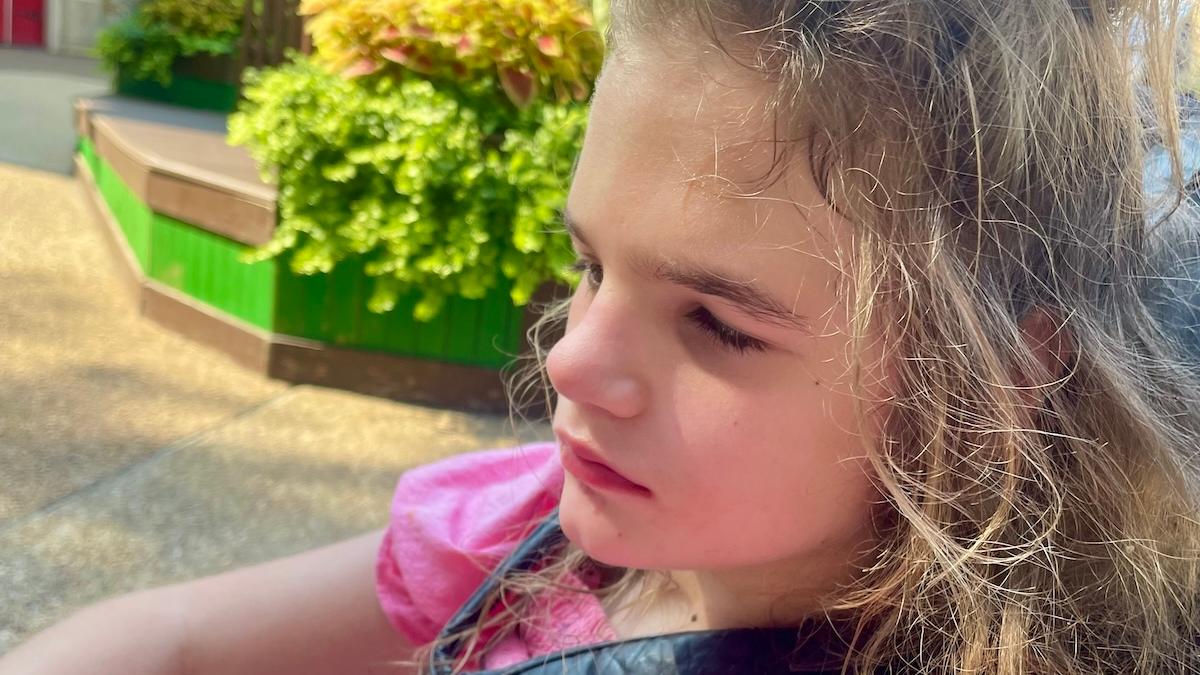
Andrew Bodoh, father of Elizabeth, who has a rare brain disorder, wrote an honest and encouraging book about the blessings of raising a child with disabilities.
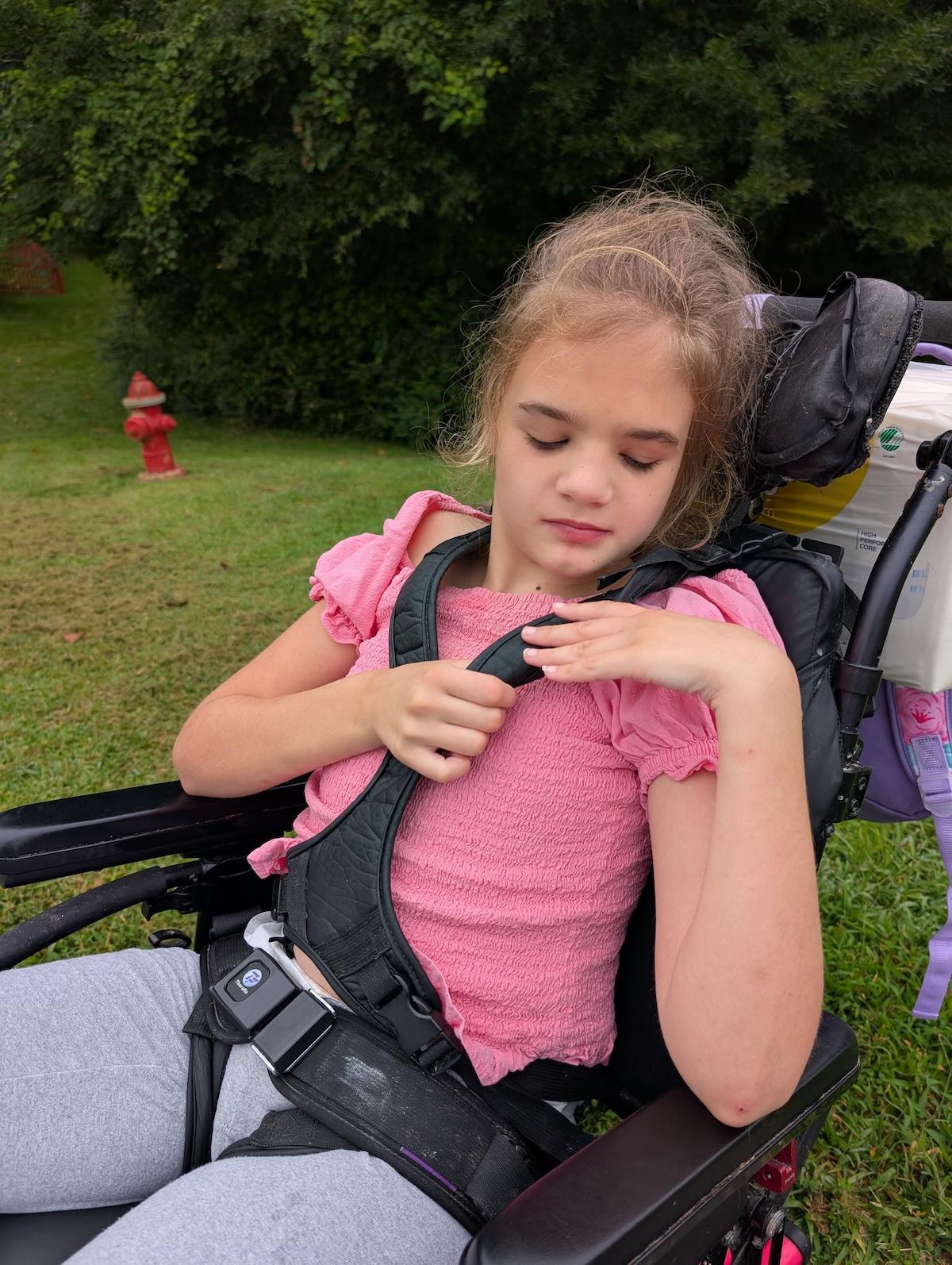
Almost 10 years ago, Aleteia featured a story — Little girl born with rare brain disorder defies doctors expectations — about Elizabeth Bodoh, a toddler from Virginia with a rare brain disorder.
Since then, her father, Andrew Bodoh, penned an honest and encouraging book about the family’s experiences with her diagnosis. It’s called Love Fiercely: Lessons from the Dad of a Special Needs Daughter. The book is something of a battle cry for parents like him, an anthem proclaiming the joys and blessings of raising a child with disabilities.
Today, Elizabeth is doing well — “always teaching us something new,” her father says, while thriving in a private day placement. Bodoh, a litigation attorney, and his wife, Joyce, make their home in Fredericksburg, Virginia, and besides Elizabeth they have three younger children.
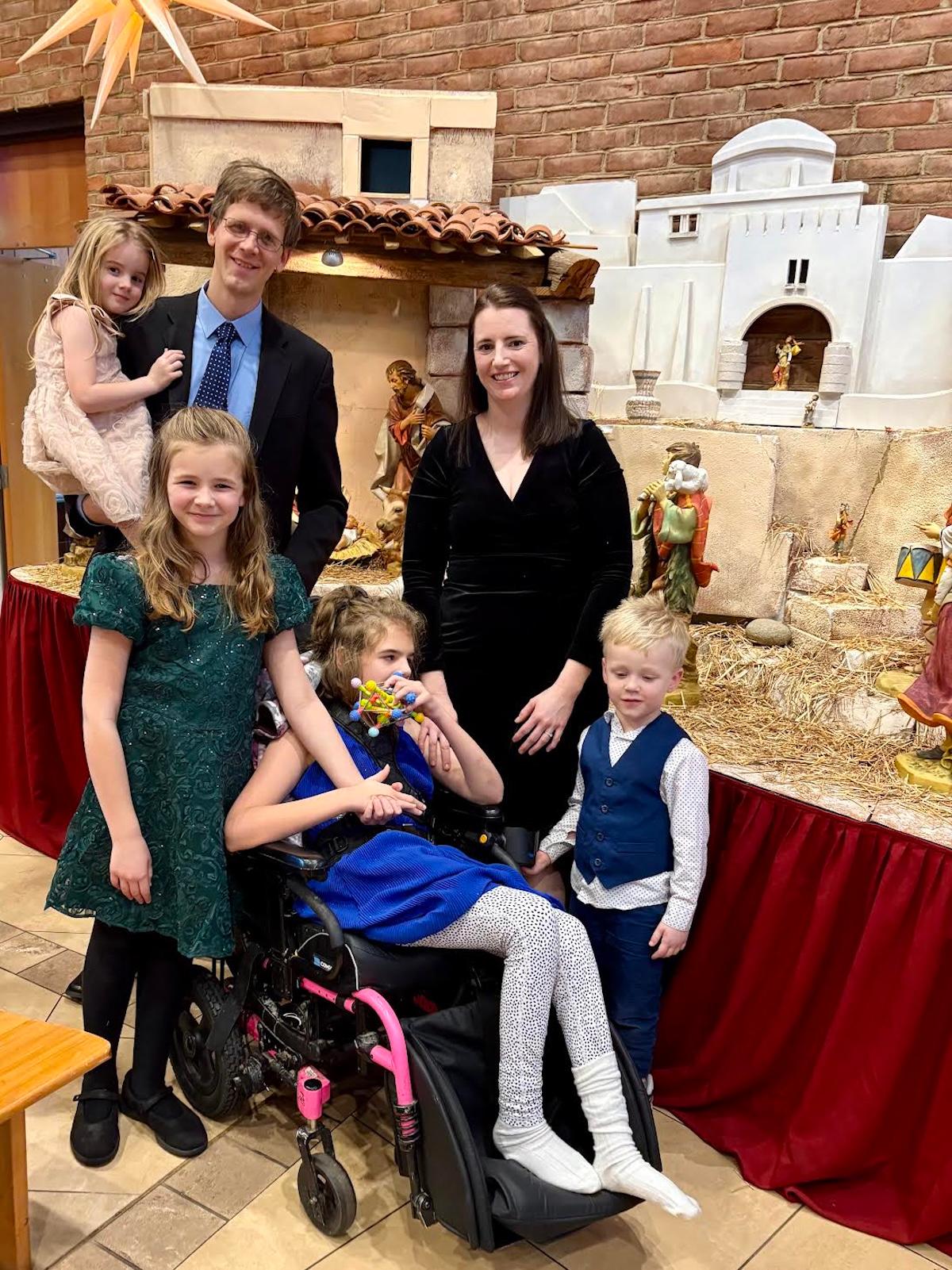
Why did Bodoh feel called to share his family’s story? What does he want other parents of special-needs kids to know? Here’s what Andrew Bodoh told Aleteia about the “message of hope and grace” he wants to share with the world.
Who is this book for?
What prompted a busy father of four and attorney to take the time to write a whole book? Bodoh’s goal was fourfold.
His first audience, naturally, was other parents of children with disabilities.
I wanted this to be a resource for those who are going through this to be able to meditate on what they're going through and the way that God's grace helps them through this process.
I wanted this book to break down the isolation, for those that are given a bad diagnosis or bad prognosis, to tell them that, yes, this is a hell of a thing, but that doesn't mean that it is something that you should avoid: There are a lot of graces and blessings in this life.
As an attorney, Bodoh has represented several special-needs children or their parents several times. He’s found a remarkable shared connection with them: “We’ve been able to connect and recognize that we're walking a similar path together.” The book articulates these experiences in a way that helps other parents know they’re not alone.
Second, Bodoh wanted to reach out to couples “about to enter into marriage, so that they can understand the awesome power of their vows.”
It's something that I didn't fully grasp when I got married. I think none of us do. But saying “for better, for worse, for richer, for poorer” is a true, deep, authentic commitment, and that's what marriage is supposed to be.
Third, he thought of sympathetic families who don’t have a child with special needs:
I wanted it out there for the families who stand on the outside and want to know what it's like for their friend or family member who is raising a special-needs child, and to understand some of what they're going through and some of the way that they look at the world differently now.
Fourth, Bodoh thought of the pro-life community and those who defend the value and dignity of all human lives. When Elizabeth was diagnosed before birth with schizencephaly, a doctor pressured Andrew and Joyce to abort her. Many children like Elizabeth are never given a chance to live.
I wanted to put the message out there that there is so much blessing and so much grace in this life, and it is such a demeaning attitude to say, “This child does not have a life according to my measure of normality and my expectations of what I would want for life, and therefore it's okay to get rid of this child.” We need to be able to see the blessings God has given the child ... I wanted to share a message of hope and a message of grace.
Fighting for his daughter
Despite Bodoh’s lawyerly acumen, the family has faced legal battles over some aspects of Elizabeth’s diagnosis, including a nearly three-year-long struggle to obtain promised Medicaid assistance for home modifications.
Bodoh’s perseverance in this battle against significant odds, told in Chapter 3 of his book, paved the way to help other families:
I heard rumors that as our case progressed, other families found their requests for modifications being approved without appeal, even after previous denials. I hope so, for I poured hundreds of hours into research, writing, and arguing. We did it for ourselves and these other families.
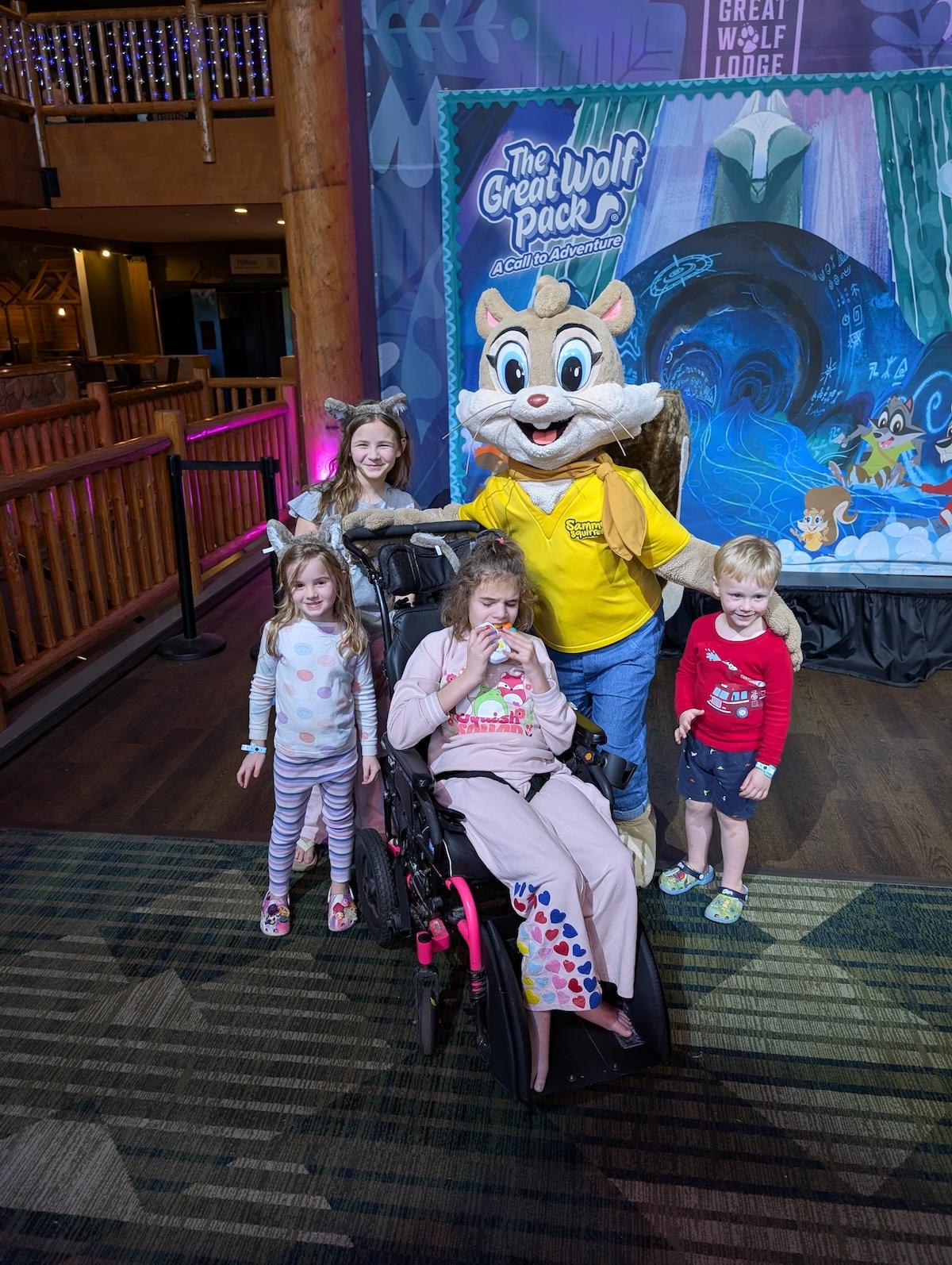
The love he and other parents feel for their children pushes them to fight for them with a ferocity they didn’t know they had. Many parents of children with special needs fight for justice even at great cost, and their example inspires Bodoh. He said:
When we talk about loving somebody, it's looking out for the good of the other, even at personal cost. And when we think about what it is to be fierce, it's being willing to stand up against something that you see is wrong, even if it's going to cause you suffering. You're just not going to back down in the face of wrong.
When you have a special needs child, you find that there are injustices you encounter. There are struggles you encounter. You're going to be able to see them in a particularly vivid way because of your love for the child. You know what your child needs, and that's going to move you to seek to protect and help your child even at personal cost, with a fierce love.
Through it all, their Catholic faith sustains the Bodohs, both in enduring the hardships and celebrating the joys and blessings of their family’s life. “Prayer is the way to find meaning and joy in the suffering,” he said. “It doesn't remove the suffering, but it gives the suffering new meaning.”
Check out Love Fiercely for a powerful and unforgettable witness to the beauty of each human life, and to a father’s unstoppable love for his daughter.