Killed in the summer of 1936 for no reason other than being priests, these diocesan clerics were beatified on October 17 in the Cathedral of Ibiza by Cardinal Semeraro
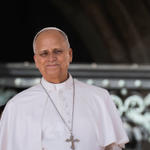
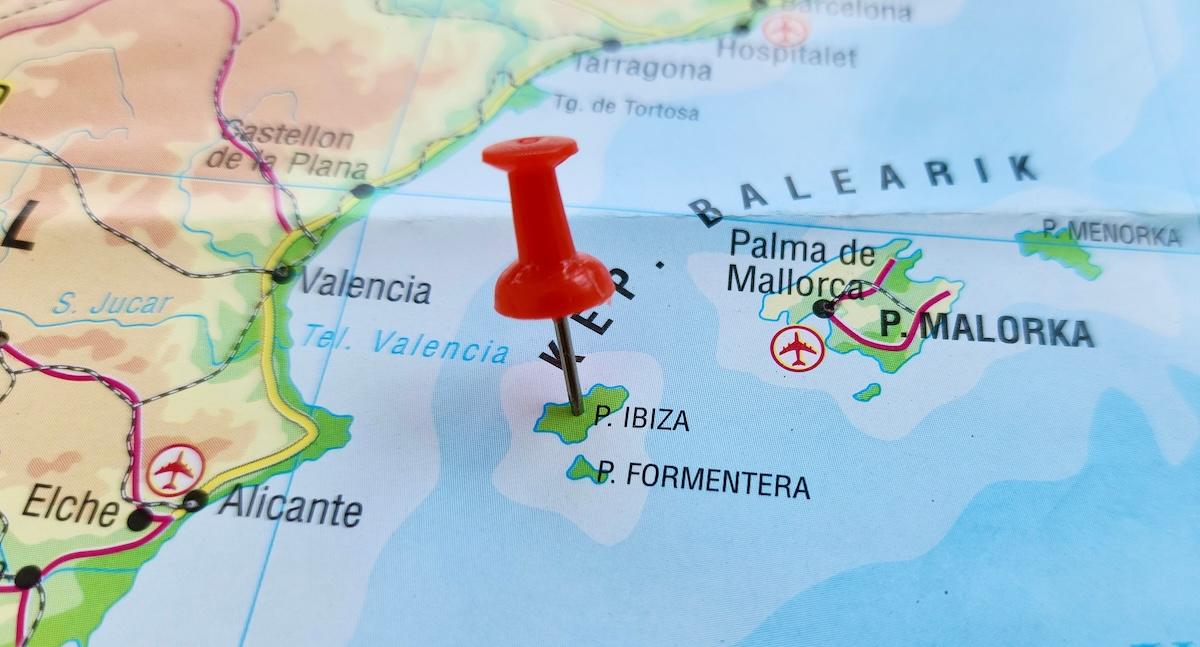
On October 17, 2026, Pope Leo XIV authorized the beatification of 20 diocesan priests from the Spanish islands of Ibiza and Formentera, killed during the Spanish Civil War in the summer of 1936. The ceremony took place at the Cathedral of the Virgin of the Snows in Ibiza, presided over by Cardinal Marcello Semeraro, Prefect of the Dicastery for the Causes of Saints. Their liturgical memorial will be observed on November 6.
The 20 men — parish priests, seminary professors, and pastoral workers — represented nearly half of the local clergy of the time. The diocese then counted 53 priests. In the span of a few weeks, 20 of them were dead.
Thirty-seven days of revolutionary violence
In the summer of 1936, Ibiza and Formentera fell under the control of Republican forces. What followed was thirty-seven days of systematic violence aimed at the total eradication of Catholic life on the islands. All forms of worship were banned. The sacraments were prohibited. Churches were looted and their sacred furnishings burned.
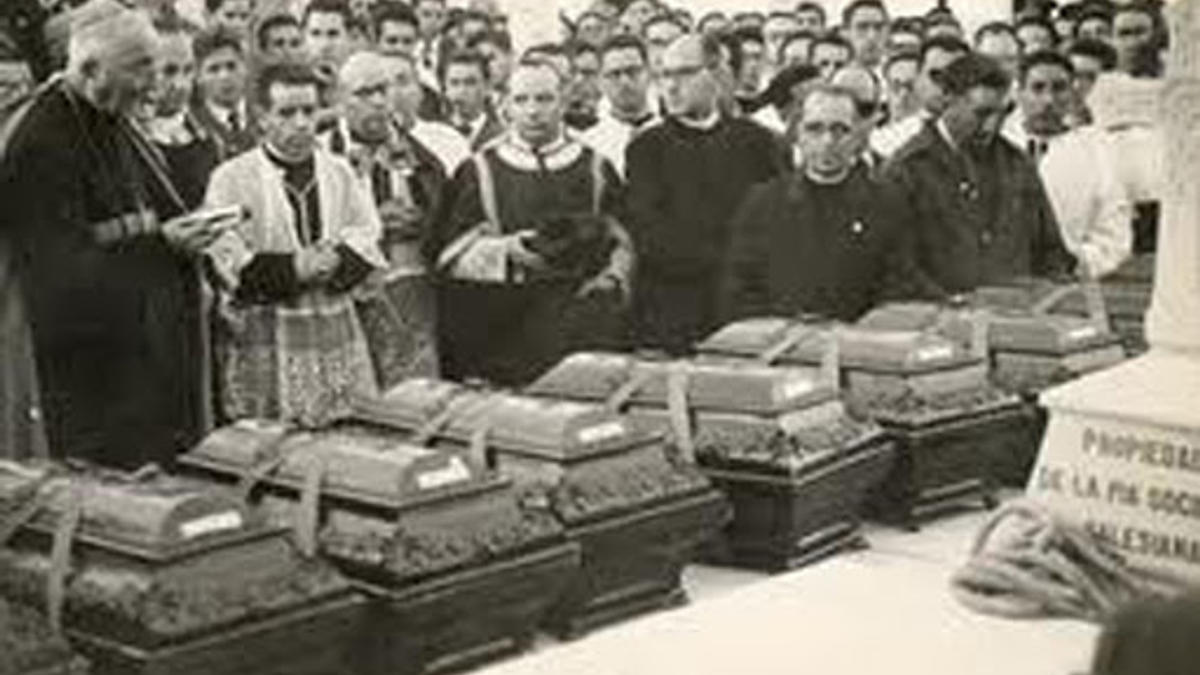
The priests were arrested one by one, most between August 7 and September 11. They were held in improvised prisons and then transferred to the Castle of Ibiza. On September 13, following a bombardment that caused some two dozen deaths in the city, the order was given to execute all the prisoners. The massacre was carried out inside the Castle. The bodies were left unburied before being transferred to the municipal cemetery, where they were officially identified. On October 29, 1940, their remains were solemnly moved to the Cathedral of Ibiza, where they still rest today.
The cause for beatification explicitly states that the only reason these men were killed was their identity as priests. All testimonies agree: there was no other motivation.
The youngest, ordained two months before his death
The leader of the cause is Juan Torres Torres, and he is also the youngest of the group. Ordained a priest on June 6, 1936, he was killed on August 7 — barely two months after his ordination. He had been appointed rector of a parish on the island of Formentera. He avoided all political involvement and belonged to none of the opposing factions. He died solely for being, in the words of those who knew him, “the village priest.”
When told of his death sentence, Juan cried out: “Long live Christ the King!” — the rallying cry of Christian resistance against the militant atheism of his persecutors.
Cardinal Semeraro, preaching at the beatification Mass, reflected on the brevity of his priestly life: “The fruitfulness of a vocation is not measured by its duration.” Juan’s body was thrown into the sea.
Among the others, Antonio Tur Costa was captured and killed together with his father and one of his brothers. He was offered his life if he would renounce his faith or blaspheme. He refused. Antonio Roig Guasch was tortured in prison before being shot when his captors feared he might be released by a revolutionary tribunal. José Tur Bennassar was 77 years old when he was arrested and transferred to the Castle on the night of September 13. Miguel Planells Tur was 70.
Forgiveness before beatification
The process toward beatification was long, even if the local community’s conviction that these 20 men had died as martyrs was immediate. From the first day, the people called them martyrs in the strictest Christian sense of the word.
And yet the formal cause remained suspended for decades. The reason was not doubt about the martyrdom. It was a conscious choice of reconciliation. On a small island where everyone knew everyone, where victims and perpetrators lived side by side, the Church chose forgiveness and deliberate silence over justice and memory — in order to allow the community to heal without reopening wounds that could have torn it apart again.
That period of prudence ended in November 2008, when the decree formally opening the cause was signed. Years of historical research and witness-gathering followed, leading at last to the beatification on October 17.
Their names are now written in the Book of the Blessed: Juan Torres Torres, Antonio Tur Costa, Antonio Roig Guasch, José Tur Bennassar, Miguel Planells Tur, José Ramón Escandell, Joaquín Cirer Sala, José Riera Bonet, Antonio Cardona Vingut, José Torres Torres, Mariano Roig Marí, José Ferrer Guasch, Antonio Marí Torres, Ignacio Serra Riera, Antonio Ramón Orvay, Mariano Escandell Roig, Miguel Riera Bonet, Andrés Tur Tur, José Tur Ferrer, and José Serra Ribas.