About 220 million Christians worldwide are directly exposed to persecution.
A new report from the pontifical charity Aid to the Church in Need (ACN), which follows the persecution of Christians around the globe, found that from mid 2024 to June of this year, conditions for Christians worsened in almost 56% of the 18 countries examined; none recorded an overall improvement.
The report finds that extremist violence, authoritarian governments, and religious nationalism are placing increasing pressure on Christian communities, while conflict is driving many from their homes in parts of Africa and Asia.
The report, “Persecuted and Forgotten? A Report on Christians Oppressed for Their Faith 2024-26,” covers August 2024 to June 2026. It examines countries where religious freedom violations affecting Christians are considered particularly concerning. In many cases, persecution intensified in specific regions rather than nationwide.
According to the latest ACN figures, 413 million Christians live in countries where serious violations of religious freedom occur. About 220 million Christians worldwide are directly exposed to persecution.
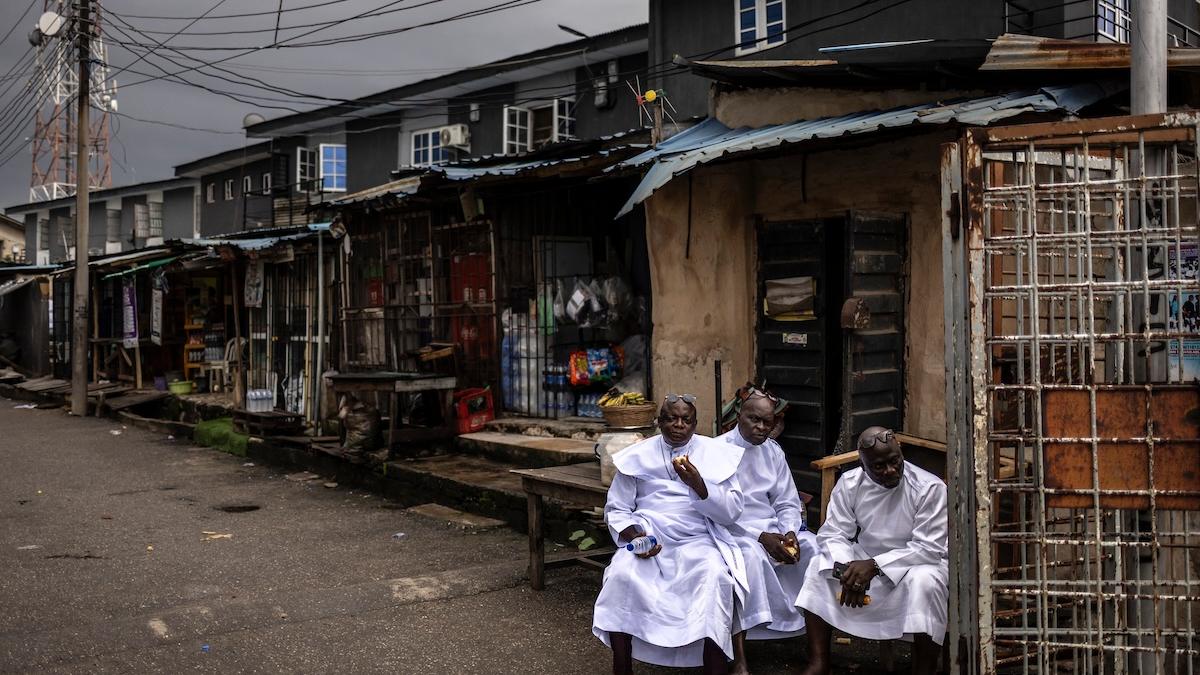
The report identifies displacement as a major concern. Christians are part of a wider exodus of people driven from their homes by conflicts in Africa and Asia, some of it religiously motivated. In Nigeria alone, millions of Christians are among the internally displaced.
Aid to the Church in Need is the same organization that sponsors the annual "Red Week": with this initiative buildings around the world are lit up with red lights, as a sign of support for those suffering persecution. This year's event is scheduled for November 15-22.
Africa affected by terrorism
Persistent extremist violence across parts of sub-Saharan Africa is raising concerns that displacement could lead to lasting changes in the religious makeup of affected regions. Islamist militant groups have expanded their reach into large areas of the continent, and six of the 10 countries most affected by terrorism in the 2026 Global Terrorism Index are in Africa, according to data cited in the report.
In Cabo Delgado, in northern Mozambique, an Islamist insurgency has devastated communities since 2017. Reports cited by ACN indicate that more than 2,000 Christians have been killed in attacks that have included beheadings, kidnappings and the destruction of churches and homes.
In Burkina Faso and Mali, where the report indicates Islamist groups control or operate in much of the territory, some Christian communities have been forced to follow Islamic dress and social codes. Others have suffered killings and displacement.
The American outlier: Nicaragua
Elsewhere, the pressure takes a different form. In Iran, arrests of Christians nearly doubled in a 12-month period, according to the report. In Nicaragua, the government’s confrontation with the Catholic Church has continued, leading to the arrest and exile of clerics, restrictions on ordinations and the seizure of church institutions. Authorities have also prevented people carrying Bibles from entering the country.
Nationalism
A third pattern identified by the study is the growing influence of religious nationalism, especially in parts of Asia. More than 700 incidents of anti-Christian violence were recorded in India in 2025. The report links the increase to rising social hostility and the expansion of so-called anti-conversion laws, which Christian organizations say are increasingly being used to repress minority communities.
Not just a religious issue
The report cautions against attributing all this violence to religion alone. Ethnicity, political instability, poverty, and competition for land and other resources often overlap with religious identity. But ACN argues that the religious dimension is also often underestimated, especially outside the affected countries.