While Scotland and England voted against it this past year, the Isle of Man became the first place in the British Isles to legalize assisted suicide.
While two other — much larger — British regions voted against legalizing it this past year, the Isle of Man became the first place in the British Isles to pass an assisted suicide bill through its legislature.
This change in the law comes at an interesting time as Scotland and England each separately voted against legalizing assisted suicide in 2026, Scotland in March and England in September.
The new law will allow adults who have lived on the Isle of Man for at least five years and have a terminal illness expected to end their life within 12 months to request an assisted death and self-administer prescribed medication.
The Isle of Man is a self-governing Crown Dependency located in the Irish Sea between Great Britain and Ireland. Its local legislature, called Tynwald, is the oldest continuously running parliament in the world, with history dating back to 979.
Tynwald passed a bill legalizing the practice and the legislation officially received Royal Assent — the final stage in the legislative process — in October. The Royal Assent was announced October 20, although no date has yet been set for the new law to be implemented.
While the law has received final approval, it is not yet in force. Assisted deaths cannot begin until parts of the island’s Capacity Act take effect, which the government said it expects by April 2028.
But the Isle of Man is not the only part of the British Isles to vote differently than Scotland and England. Jersey, another British Crown Dependency, received Royal Assent to legalize assisted suicide in July. Although Jersey’s bill got Royal Assent before the Isle of Man’s, the Isle of Man was the first to pass such a bill through its legislature.
Catholic leaders, doctors oppose the bill
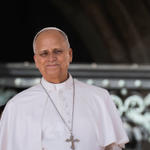
The Isle of Man is part of the Catholic Archdiocese of Liverpool, and the region’s Catholic leader, Archbishop John Sherrington, said he was “very saddened” at the granting of Royal Assent. In a Pastoral Message to the Catholics on the Isle of Man, he said:
The passing of this legislation marks a watershed on the Island ...
The Catholic Church continues to teach that life is a most precious gift of God and that we are stewards entrusted with this gift to protect it, treat illness, and care for the good of life. As such, a person should never intentionally end his or her life.
Catholic teaching, shared by many Christians and others of goodwill, proposes a different approach from that which has been passed into law by the Tynwald ...
Freedom of conscience on this matter is of deep concern to the Church ...
We ask the intercession of St. Joseph, the patron of the dying.
Care Not Killing, a UK-based alliance of human rights and disability rights organizations, healthcare providers, and faith-based groups, also expressed “deep disappointment” about the new law.
Not only Catholic and pro-life advocates but some of the very people whom the new legislation would affect — Manx doctors — expressed grave reservations and opposition in advance of the bill’s passage.
The Isle of Man Medical Society, a professional organization that represents the interests of the medical profession on the island, strongly opposed the bill. One-third of Manx doctors who responded to a survey in 2023 indicated they would consider leaving the island to work elsewhere if assisted dying were legal. In that same survey, an overwhelming 74% of respondents said they were opposed to assisted suicide.