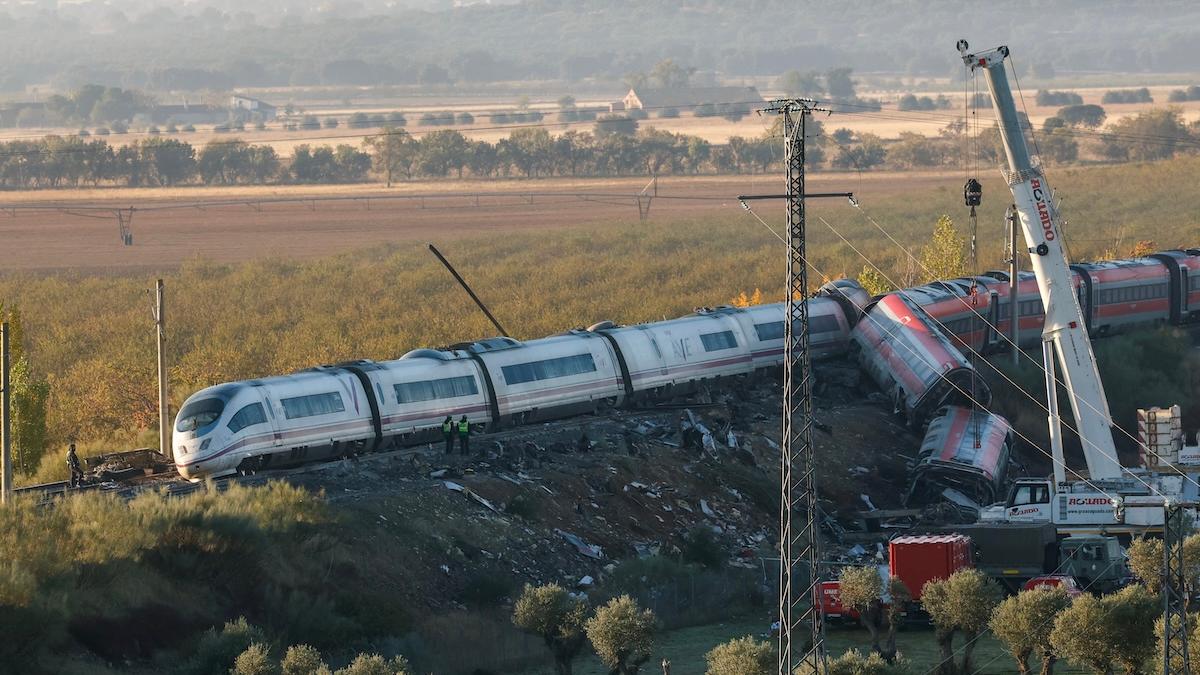
From one of the small towns closest to the crash site, the parish priest arrived and gave general absolution.
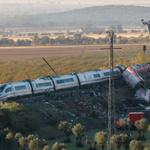
As Spain lives three days of national mourning, condolences arrived from Pope Leo in Rome, and the final death toll continues to be uncertain, one important report has arrived from the parish priest of one of the towns closest to the crash site. He recounted how he was one of the first to arrive on the scene, before many first responders had made it.
Father Fernando Fernández de Bobadilla is the parish priest in Los Yébenes, in the Archdiocese of Toledo, one of the towns near where the trains crashed, about two hours from Madrid. He told Vida Nueva that a friend had called him with news of the crash as he was going about his morning, so he quickly got in the car and headed to the tracks. Recounting his arrival at the "horrible" scene, the priest continued: "I did what I felt I could do at that moment, and what no one else but me could do at that moment: the forgiveness of sins and preparing them in case the Lord were to call them to heaven.
"I granted general absolution, as we are taught in the theology of the sacrament of penance. In situations of catastrophe, general absolution may be granted, even in the absence of individual confession. So, as loud as I could, I addressed all those who were in danger of death.”
The priest continued his ministry at the crash site for the next several hours, sharing how he went about doing whatever the first responders asked -- helping to lift people on to stretchers, holding an IV bag, but above all, offering his spiritual presence. He told the wounded, "I’m the priest and I’m going to pray for you."
You offer what you have
Spain, like most of Europe, has a robust railway system. Some 45 million travelers, including millions of tourists, used it last year. But this is the second catastrophic train accident in the country in 2026, both being among the worst in Spain's history.
First responders cleared a path so Fr. Fernando could get closer to one of the train cars: “There was little else I could do but say one prayer for the dead after another over all the bodies being carried out of the carriage."The Archbishop of Toledo, Francisco Cerro, joined him along with other priests. “As priests, that was all we could do; on a human level, at the same time, we helped with whatever we were asked to do – holding, supporting, positioning …”
General absolution
1483 In case of grave necessity recourse may be had to a communal celebration of reconciliation with general confession and general absolution. Grave necessity of this sort can arise when there is imminent danger of death without sufficient time for the priest or priests to hear each penitent's confession.
The priest stayed well into the afternoon, until all the ambulances had gone. This October 29, a day after the crash, canine units are again returning to the site to look for other victims that could be buried under the wreckage.
The priest shared: “I am 71 years old and had surgery for cancer a year ago. I have some physical limitations, but I felt neither tiredness nor any discomfort whatsoever" during his hours at the crash site. He spoke of how important it was to help people feel accompanied in the midst of the tragedy: "Because helping them understand what’s happening is impossible, and reasoning is pointless."
“You offer what you have. You tell them: ‘I’m praying for you, I pray for you. I don’t know if you’re a believer or not, but I’m praying for you’. It’s about being there for them. ...
"Even if they don’t realize it or aren’t aware of it, God is bestowing his goodness and mercy upon them in such a difficult time.”