This weekend, kids from around the world eagerly prepare for one of the most popular rituals of the secular world: trick or treat. But not many people know that long before candy became the standard Halloween treat, Catholics from around the world marked All Souls Day and All Saints Day with their own cookies, whose recipes have been passed down through generations for centuries. Here is a curated selection of some of the most beloved All Souls and All Saints treats of the Catholic world.
Italy’s Pan Dei Morti
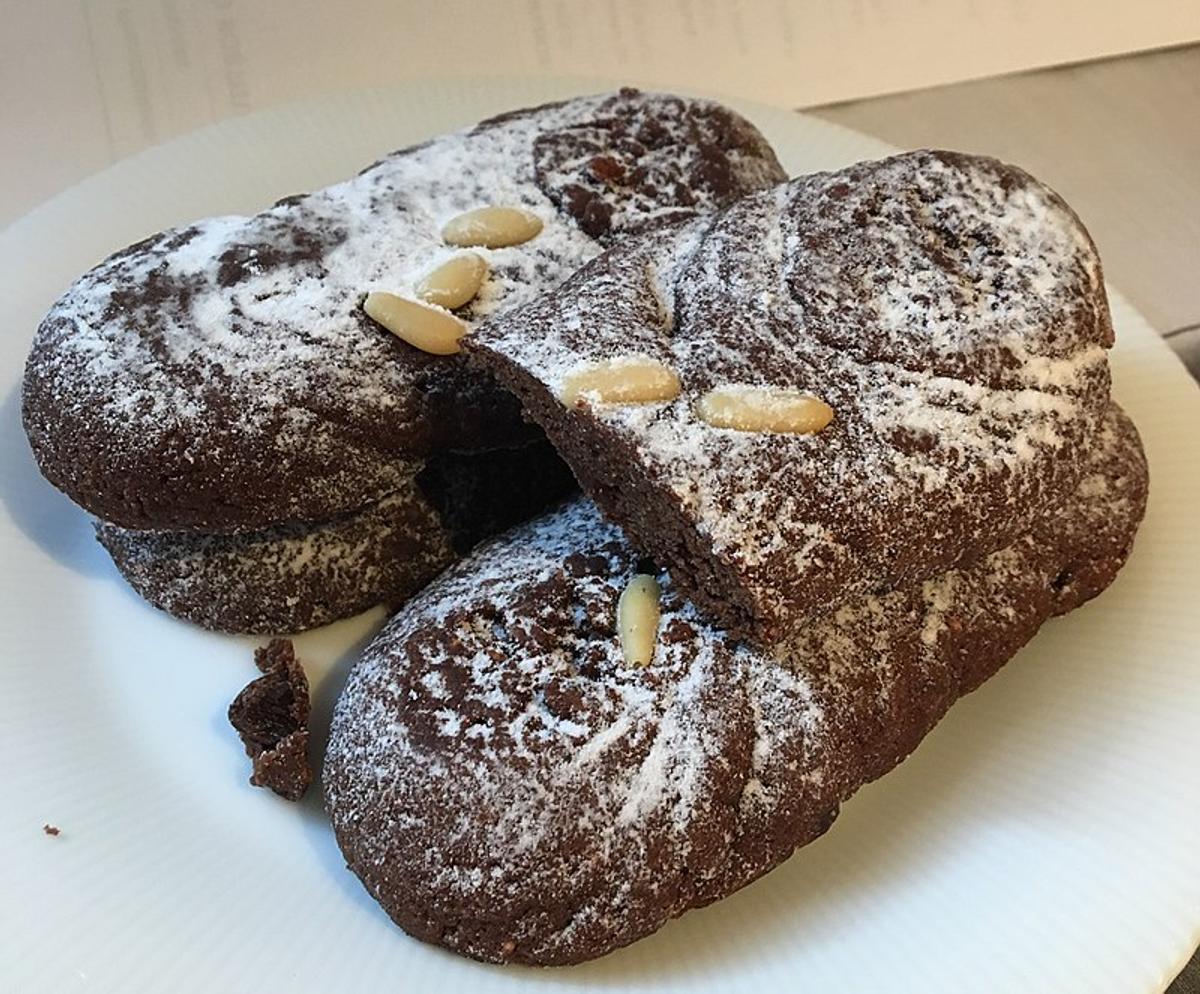
Shaped like a leaf, crunchy on the outside with a spongy interior, these treats are popular across Northern Italy, especially in Lombardy, the region of Milan. Literally called “Bread of the Dead,” their origin goes back to medieval times where families would gather kitchen leftovers to bake sweet bread in honor of those who have passed.
Before baking, families would sometimes rest each cookie on a communion-style wafer (ostia) which was later baked with the treats. This was a way to symbolically bridge the Blessed Sacrament with the remembrance of the dead. Starting from the 18th century, bakers added ingredients coming from the New World, such as cacao and rhum. Today the recipe includes cocoa, almonds, dried figs, pine nuts, raisins, and rhum. Sold in cafes or local bakeries as well as baked at home, these oval-shaped treats are in iconic gastronomic tradition of All Souls day for Northern Italian Catholics. Similar traditions exist in central Italy, like Umbria’s Fave dei Morti ("beans of the dead"), and in Southern Italy, like Sicily’s Rame di Napoli ("treats of Naples," in reference to the formal capital of the Kingdom of Sicily), each taking on a slightly local flare such as the use of anise in Umbria and pistachios in Sicily.
Spain’s Huesos de Santo
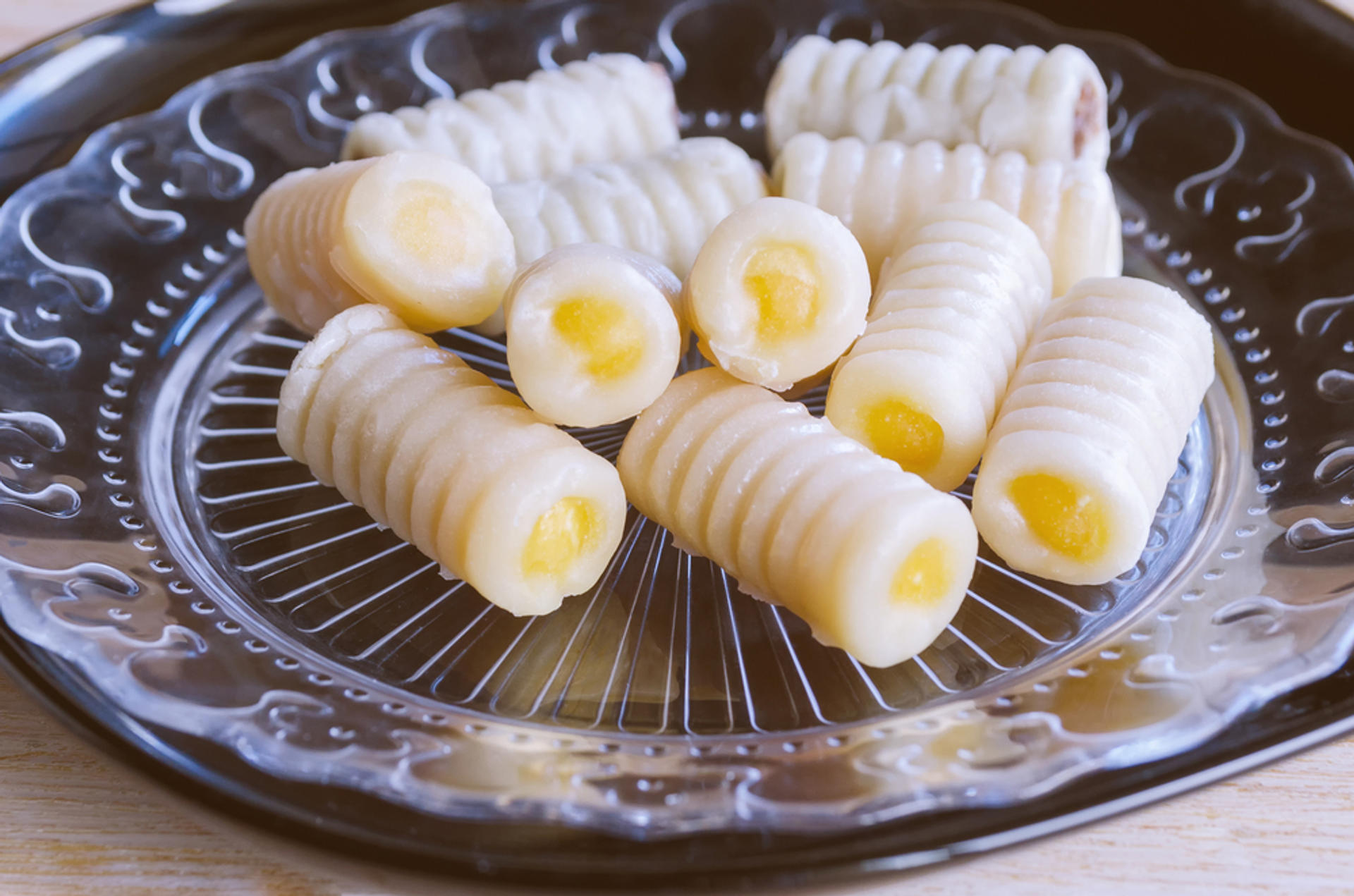
Literally meaning "bones of the saints," Huesos de Santo are traditional, marzipan pastries eaten to honor and remember deceased loved ones in Spain. Designed to look like small bones, these hollow marzipan tubes are traditionally filled with egg-yolk and sugar (a paste called yema) although contemporary takes include chocolate, truffle, and raspberry fillings. The roots of these beloved All Saints treats go back to an inventive Benedictine monk who wanted to re-route local gastronomic traditions away from the pagan world. For centuries, people in the Iberian peninsula would make food on the night of November 1st to make offerings to souls. It was in fact believed that during the night between November 1st and November 2nd the veil between the word of the living and that of the dead was thinnest.
Sometime around the 15th century, a local Benedictine monk decided to use some of the local almond harvest to bake “huesos de muertos” and re-direct that tradition towards the celebration of Catholic saints and martyrs, on top of souls of dead relatives. Since then, Huesos de Santo have become a cornerstone of local autumn traditions. A quick stroll in the historic city center of Spanish towns and cities will probably lead you to find the delicious bone-shaped marzipan proudly exhibited in local bakeries!
Malta’s Għadam tal-Mejtin
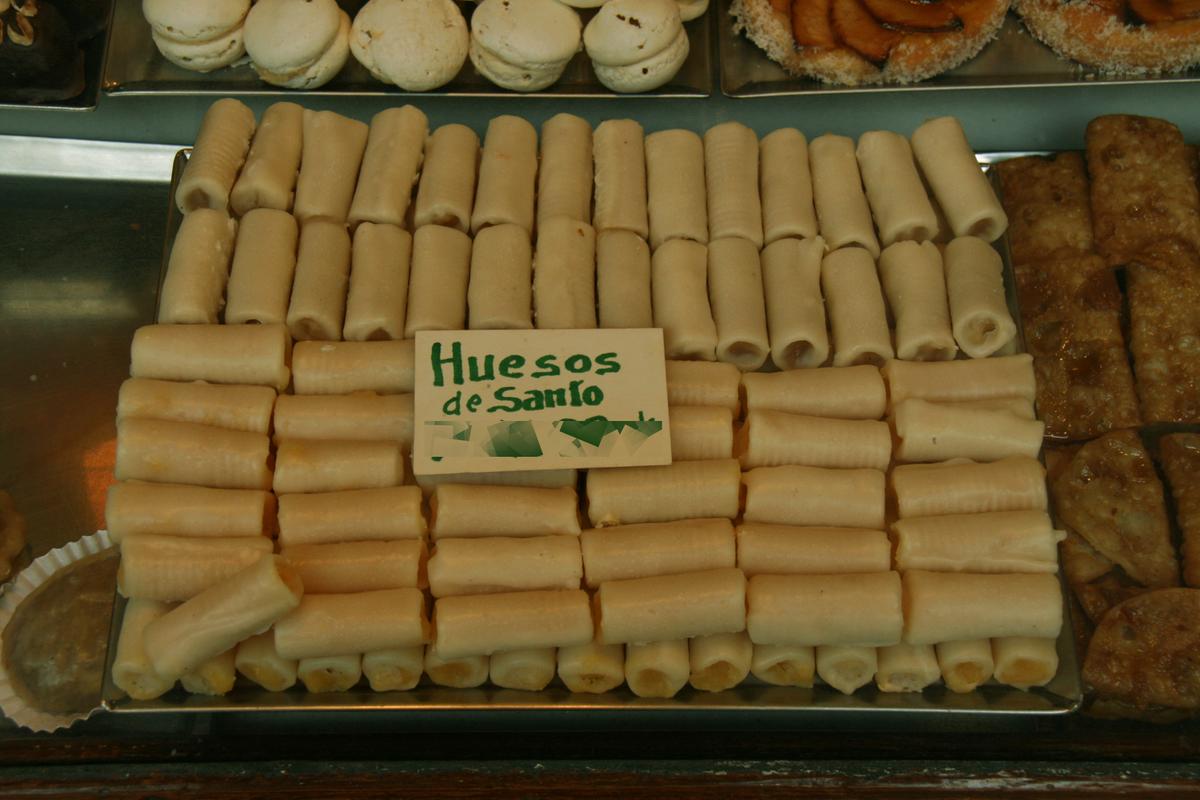
Like their Spanish counterparts, Malta’s Għadam tal-Mejtin (“bones of the dead”) are bone-shaped shortcrust cookies filled with almond-based paste. With roots that go back to at least the 16th century, these treats are designed to symbolize ties between earth and eternity. The soft almond filling is seen as the “marrow” of the bone, symbolizing the soul within the body. Every year, in late October, families or local bakeries (pastizzerijas) gather flour, butter, sugar, almonds, and eggs to bake the beloved bone-shaped treats. The history of these cookies is deeply linked with the history of Catholicism in the islands of Malta, which was ruled by the Knights of St. John from 1530 to 1798. During All Saints Day and All Souls Day, the governing body of Malta and their close-knit circles would commission large catafalques (ornate funeral monuments) in St. John's Co-Cathedral and, after mass, they would host banquets with complex marzipan sculptures in honor of the dead souls and the souls of Saints and Martyrs.
Working-class Maltese could not emulate the grandeur of these Knight-held banquets, but they nevertheless imitated some of the marzipan gastronomic creations served in those sumptuous gatherings. By combining readily available local ingredients like almond paste, lemon zest, eggs and flour, the Maltese working class created the proprotype Għadam tal-Mejtin. These cookies, shaped like bones to act as a memento mori (remembering the finitude of life) and to inspire prayer for the dead, were inspected by the Inquisition and eventually approved, becoming a quintessential staple of Maltese gastronomy.
Portugal’s Broas dos Santos
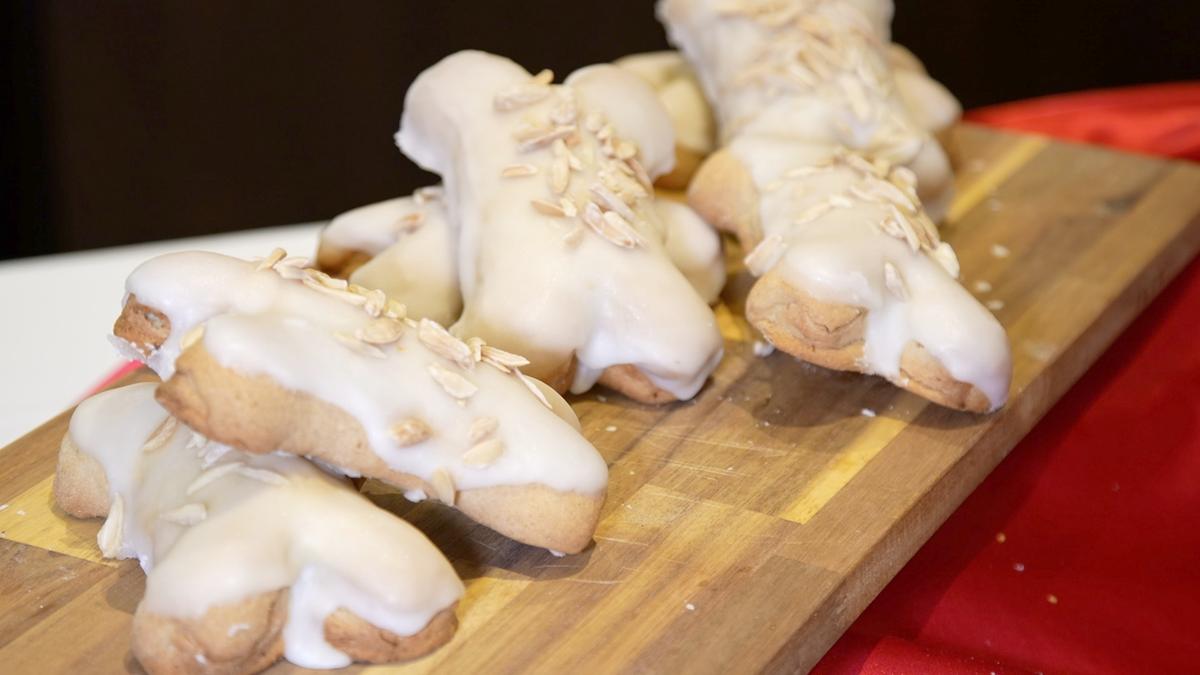
Considered as a predecessor to current Halloween traditions, Portugal’s Pão-por-Deus tradition, "bread of God," is a centuries-old gastronomic tradition whose development is tied with the notorious 1755 Lisbon earthquake. Every year, on November 1st, Portuguese children go from door to door in small groups carrying handmade bags and asking for Pão-por-Deus. This Catholic trick-or-treat is usually accompanied by a song: "Bolinhos e bolinhos / Para mim e para vós, / Para dar aos finados / Que estão mortos e enterrados..."(Cakes and little cakes / For me and for you, / To give to the departed / Who are dead and buried...). Households give out Broas dos Santos, a type of dense, spiced cornmeal and sweet potato biscuits. This ritual’s roots go back at least to the Middle Ages, when locals started to make food to be handed out during local gatherings to pray for the dead on All Souls day. But the tradition really boldened after the tragic earthquake that struck Lisbon on November 1, 1755. Following the disaster, whose magnitude shattered French philosopher Voltaire’s faith in philosophical optimism, survivors would go around the streets of Lisbon asking for pão por Deus, also translatable as “bread, for God’s sake.” Since then, Pão-por-Deus has become both a symbol of Catholic charity and a beloved gastronomic tradition.
Ireland’s Soul Cakes
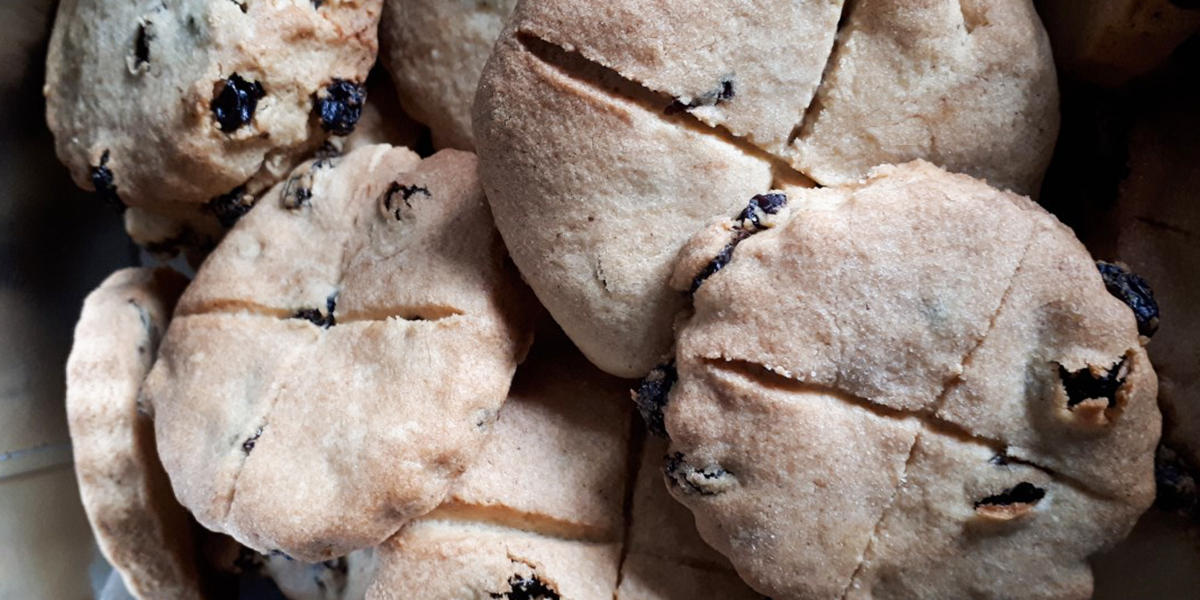
Soul Cakes are small, sweet, spiced biscuit-breads marked with a cross on top, baked specifically for All Saints' and All Souls' Day all across Ireland. The roots of this tradition go back at least to the Middle Ages, and reflects the belief that the souls of the departed need our prayers on their journey of purification through Purgatory. According to a local tradition, when a group of children approached a widow asking for charity in exchange for prayers for the dead, she would assemble a baked bread with whatever ingredients she had in her pantry. She quickly baked oatcakes, made with sweet spices and dried fruit, and marked them with a cross. With time, these humble pies became a staple of Ireland’s All Saints day. They are given out to children and kids, known as Soulers, who go door-to-door singing the traditional “souling” song: "A soul! A soul! A soul-cake! Please, good Missis, a soul-cake! One for Peter, two for Paul, Three for the Man Who made us all!" This centuries-old version of trick or treat is a pillar of Irish Catholic identity, so much so that British singer Sting, whose roots are Irish, famously included his own version of “Soul Cake” in his 2009 album “If on a winter night.”