The short ceasefire for the town of Oleshky, brokered by US First Lady Melania Trump and Pope Leo XIV, ended Sunday night. The pause brought aid and allowed escape for some trapped villagers, but was not extended.
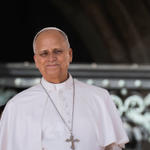
In his All Saints Day Angelus on Sunday, November 1, Pope Leo XIV urged new peace efforts in the Russia-Ukraine conflict, following the brief localized ceasefire he had helped to negotiate.
“In recent days, a humanitarian operation has been carried out to assist the civilian population in the city of Oleshky,” Pope Leo said on All Saints’ Day. “I hope that the cooperation between the parties, which made this necessary humanitarian act possible, will strengthen the desire for dialogue and lead to new concrete peace initiatives.”
“Let us entrust to Mary, Queen of Peace and of All Saints, all those throughout the world who are suffering because of war,” the Pope added.
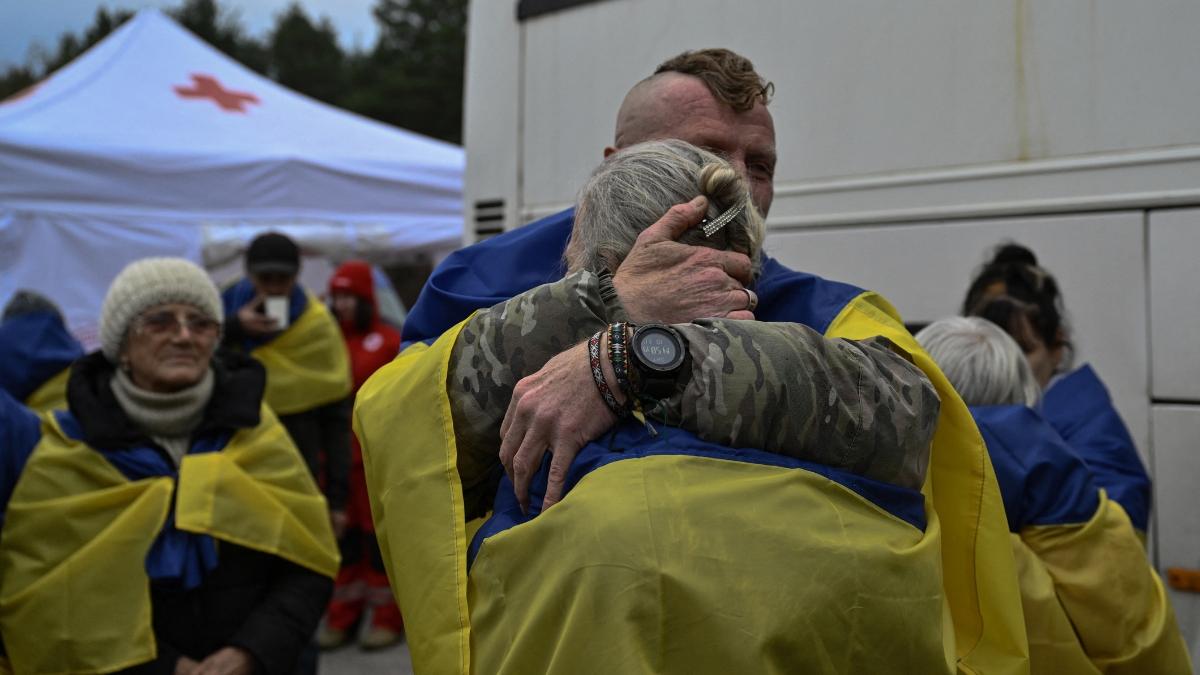
The 4-day pause in military activity for the Ukrainian town of Oleshky and surrounding areas brought much-needed humanitarian aid to the citizens, most of them elderly or children, who have been cut off by Russian attacks for more than two years. Residents were given the choice to stay in the area or to be evacuated to safer areas of Ukraine or Russia to rejoin family members. Leaving town or receiving aid shipments has been impossible for villagers due to the constant drone and rocket attacks. Landmines and infrastructure damage made roads impassable.
The ceasefire, brokered by US First Lady Melania Trump with assistance from Pope Leo, was agreed to by leaders of both warring countries. Military crews worked to remove landmines and clear roads in preparation for aid convoys, and safe-passage routes for evacuees were provided. Russian officials reported that two people were killed, including a landmines expert, were killed while clearing the roads.
Whether to leave or to stay
The people of Oleshky and other villages in the Kherson region, separated from Russia by just a river, have faced unimaginable challenges during the years cut off from the world. "What residents are living through goes beyond survival," an Associated Press report quotes one of the leaders helping with the evacuations. "Perhaps no word has yet been invented to describe it."
An unspecified number of residents did choose to relocate, many of them hoping to be reunited with relatives in safer parts of the world. (Numbers of evacuees were not released, nor were specific travel routes, for security purposes.) The Red Cross was also able to take advantage of the ceasefire to help relocate about 180 people from the city of Kherson and surrounding villages, where travel has been so dangerous that only a few could be smuggled out on an average day.
But some chose to stay, whether because they did want to leave the homes they knew or because they had nowhere to go. Those without families or resources for starting over remained behind.
54-year-old Oleksii Shavokin is staying in the village of Kozatske, he told the Associated Press:
His house burned down in early 2023 after a mortar attack, he said, but he patched it up and stays on there. He lives off old humanitarian aid and eggs from the hens he still keeps. "I ration my food so it lasts. I'm used to it," he said. "Now I eat once a day, in the evening, and that's quite enough." He has lost 30 kilograms (66 pounds) from a weight of close to 100 kilograms (220 pounds).
High hopes ... and the sound of bombs
The brief ceasefire was in many ways a success, and Mrs. Trump, like Pope Leo, had hopes it would lead to renewed peace efforts. In a statement released Sunday on social media, she said:
“The ceasefire across Oleshky and the surrounding Kherson region has provided residents with the freedom to move, access to food, clean water, medicine, plus a renewed sense of dignity without the constant threat of attack... Let Oleshky become the starting point for lasting peace.”
Unfortunately, efforts to extend the ceasefire were rejected, and the sounds of drone attacks resumed the moment the truce expired. Both sides accuse each other of having used the ceasefire to build troop strength in the area, and cyber attacks were launched on both Ukrainian and Russian grids on Monday morning, triggering fake emergency alerts.
But there was some hope in the eyes of those reunited with their families. And Dymitro Lubinets, Ukraine's human rights ombudsman, wants people to take heart from even the smallest advance:
"This is an extremely important moment. Behind us are difficult negotiations, agreements, preparations, and an enormous amount of work. But most importantly, the people who waited so long to be rescued are finally safe," he said in an online post.