


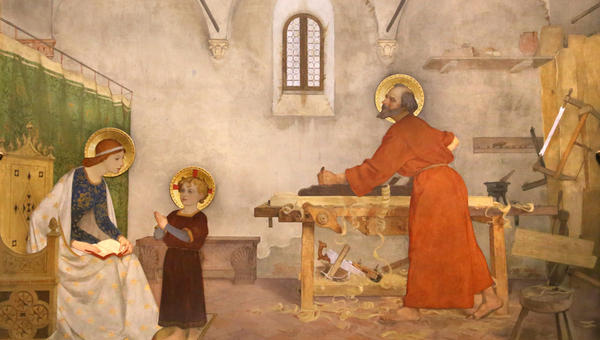
The labors of St. Joseph
As universal patron of the Church, Joseph is depicted in art as ready to respond to the struggles of the industrial, nationalistic, and revolutionary age.

As universal patron of the Church, Joseph is depicted in art as ready to respond to the struggles of the industrial, nationalistic, and revolutionary age.
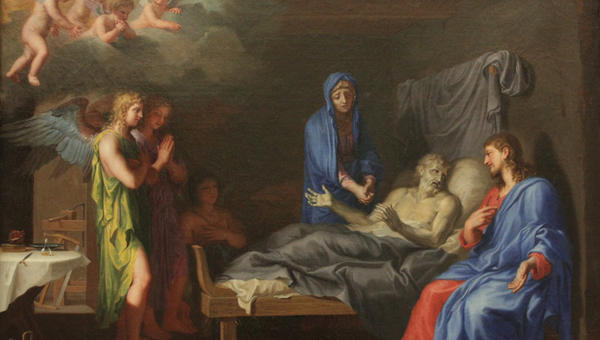
With the Counter-Reformation came artistic portrayals of Joseph as the model for a "holy death."
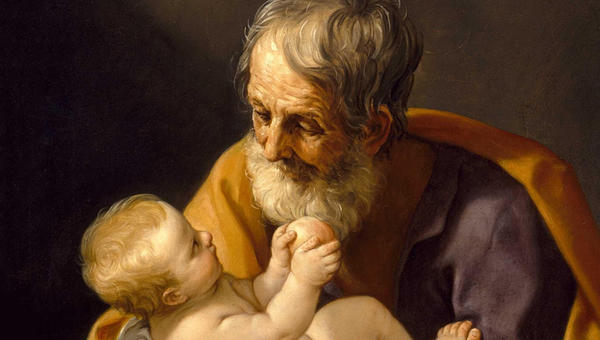
Artistic portrayals of Joseph came to present him as a Christ-like model of fatherhood and fidelity.
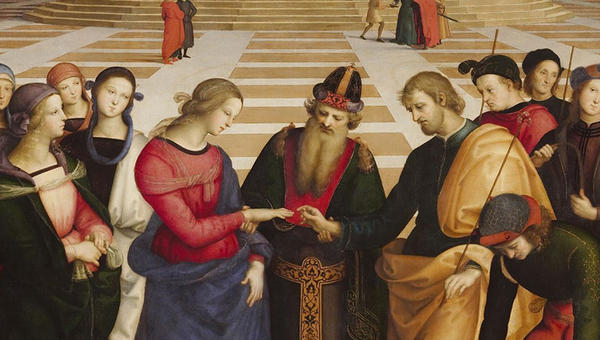
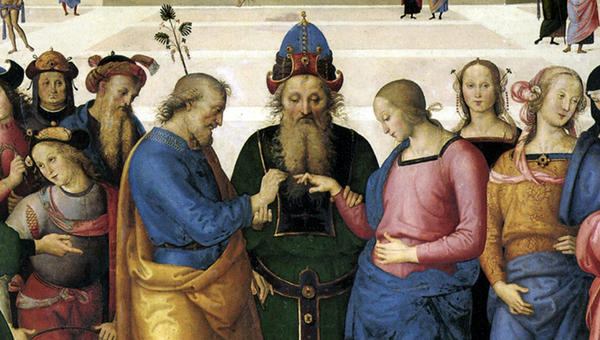
Joseph was held up as the model husband in an age when the institution of marriage was frequently abused.
Humorous cameos of St. Joseph served the purpose of helping the faithful enter into the mystery of Jesus’ human experience.
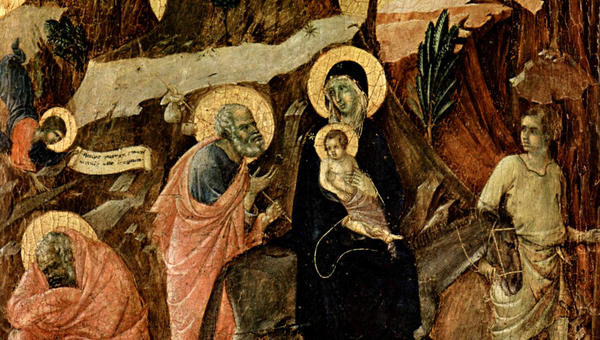
The Middle Ages depicted Joseph as a safeguard of the purity of the Church and a protector against attacks of self-interested sovereigns.
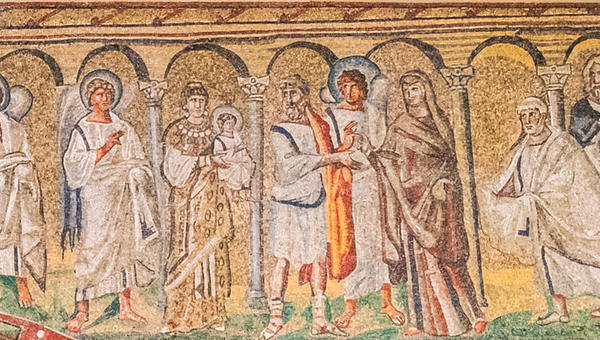
The original “strong silent type,” St. Joseph was so reticent that for the first 200 years of the life of the Church he was absent from Christian art.

The "Divine Creatures" exhibit at the Vatican Museum shows us beauty and dignity inherent in all human beings
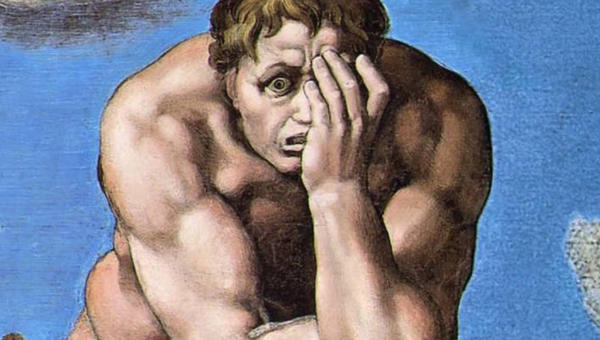
For almost 500 years, Protestants and Catholics have had a tug-of-war over the great artist and his work.
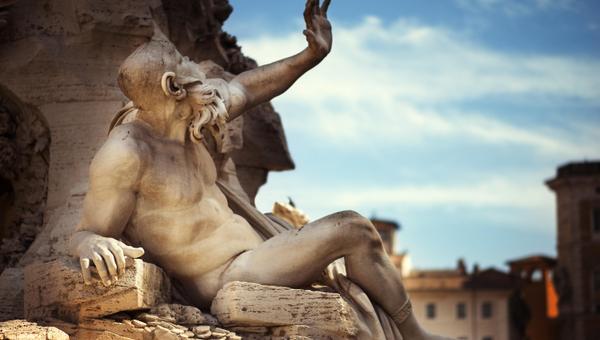
A visit to the Piazza Navona brings Bernini's glorious image of Christian globalization: the light of Truth, spread to the four corners of the globe.
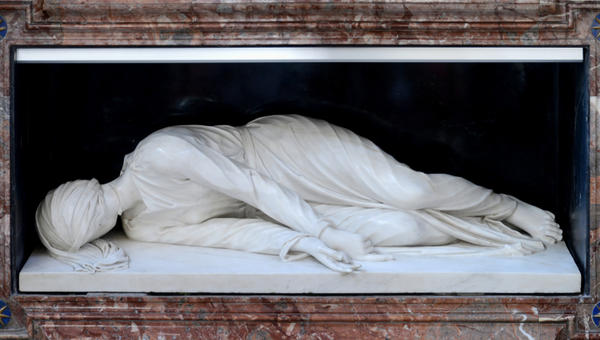
The discovery of catacombs with frescoes and relics of incorruptible martyrs gave irrefutable testimony of the Church's history.

When the first priest came to Korea from China, in 1795, he found a land already evangelized by lay people.
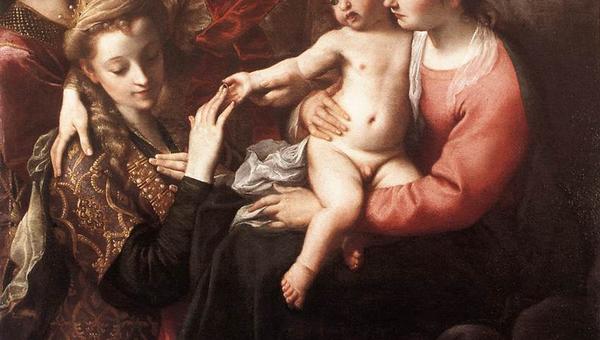
The art world produced its first celebrated female painters here, commissioned and supported by the Church.
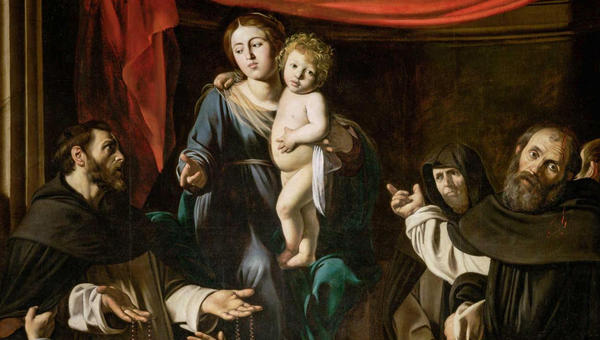
Counter-reformation artists like Caravaggio encouraged the faithful with ever more fervor to turn to Mary in times of need.
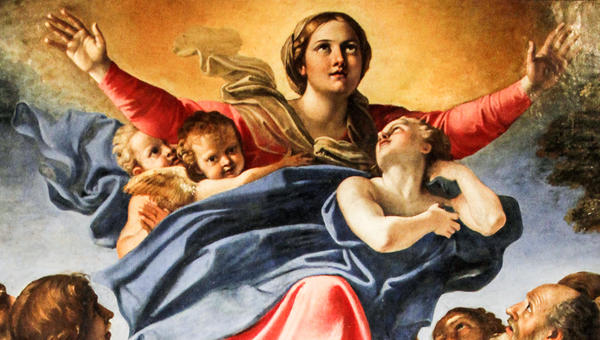
Artists of the Counter-Reformation bring home the Church's complex and difficult teachings on the Virgin Mary.
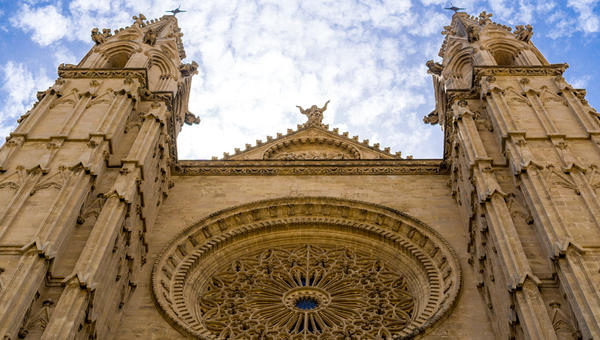
The history of sacred art offers a few guiding principles worth remembering as Catholics debate over architecture.
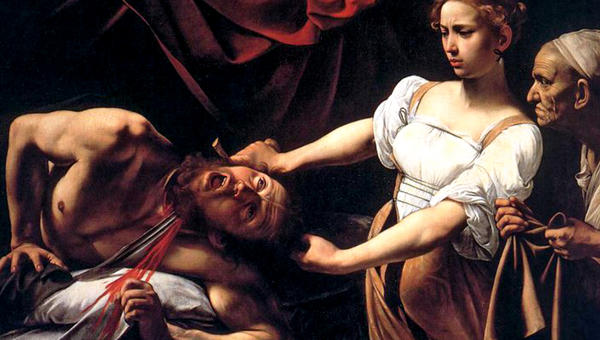
What do our personal battles against evil look like? They are rarely pretty or uncomplicated, in any age.
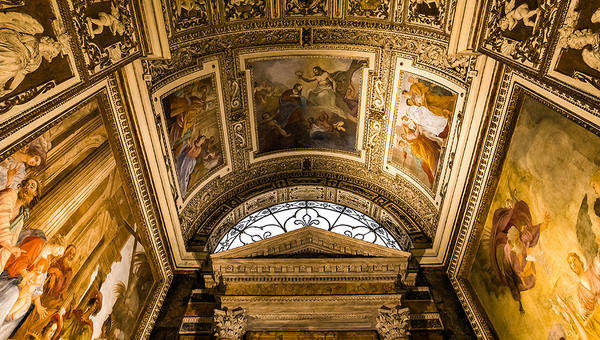
The extraordinary beauty found from one end of the Eternal city to the other is in large part due to St. Peter.
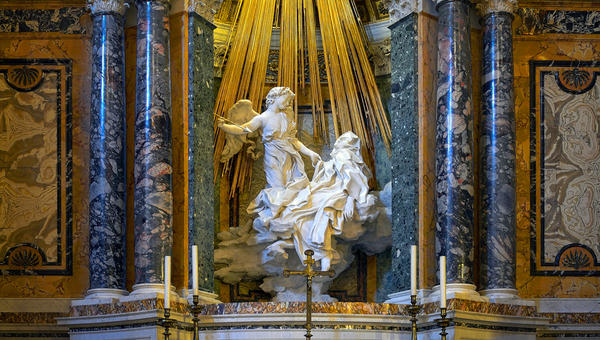
The Protestants saw mystic experience as a quiet, peaceful assurance, while the Catholics had more flair for the dramatic.
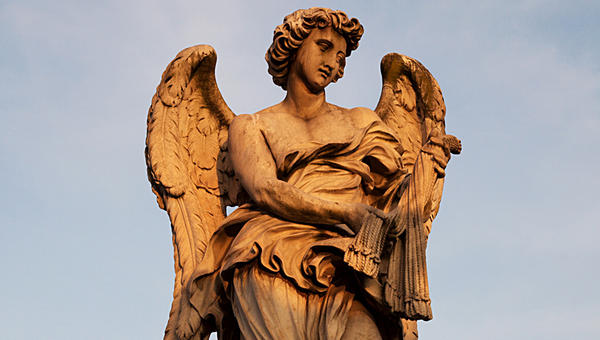
Angels, mostly from the era of the Counter Reformation, proliferate in Roman churches.