


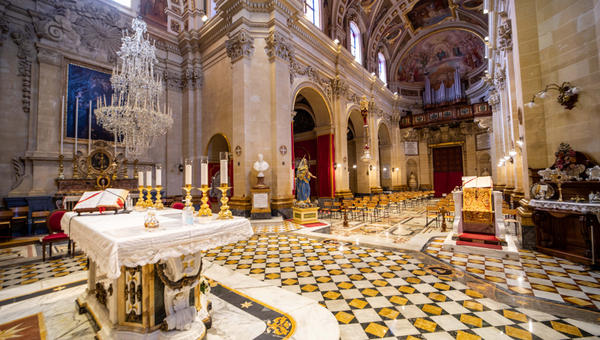
A pilgrimage through medieval Malta: The Itinerario De Mello
Bishop De Mello, a daring man, did what his predecessors dared not do. A pilgrimage route recreates his itinerary through medieval Malta.

Bishop De Mello, a daring man, did what his predecessors dared not do. A pilgrimage route recreates his itinerary through medieval Malta.
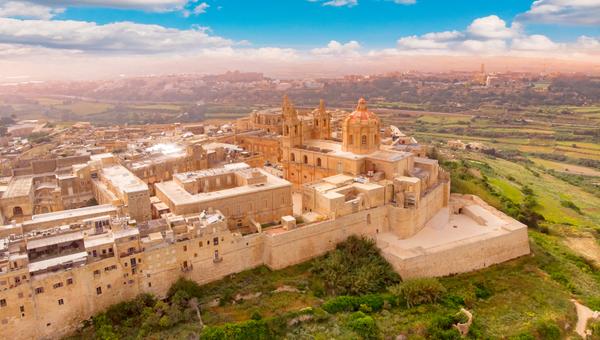
The Universal Peace Walk was instituted with the intention of bringing peace to Europe after the failure of the Council of Mantua, and in preparation of a new council in Trent in 1545.
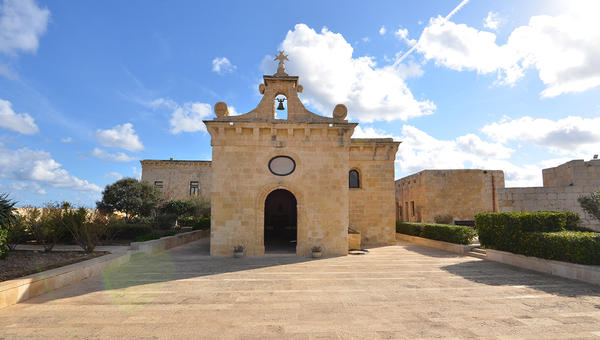
The Camino Maltés reinforces the idea that pilgrimage is not limited to a single path, but is a universal human experience that transcends borders and connects people across time and space.
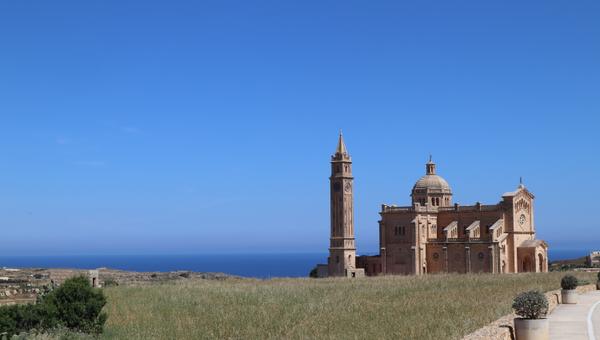
Pilgrimages allow believers to embark on a physical and spiritual journey to a sacred place associated with religious events, lives of saints, relics, or early places of worship. In Malta, all of these come together seamlessly.

Maltese traditional food, like the archipelago itself, is a crossroads of Mediterranean civilizations – with a decisive spiritual touch.
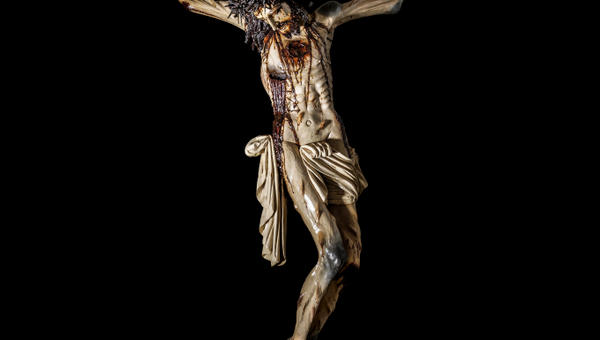
Revered by thousands of devotees, these images are known because through them, God generously grants graces.
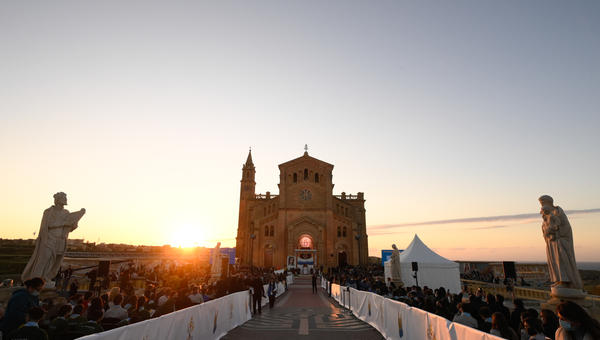
You may know the Maltese Archipelago for its stunning coastline, its reputation as a diving hotspot, or its famous festas. But Malta is also home to several Marian shrines recognized for being miraculous.
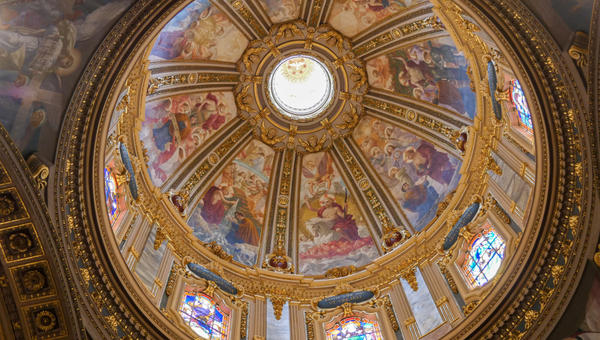
Christian traditions in Malta and Gozo are as ancient as those of Ephesus, Jerusalem, Corinth, and Rome itself.
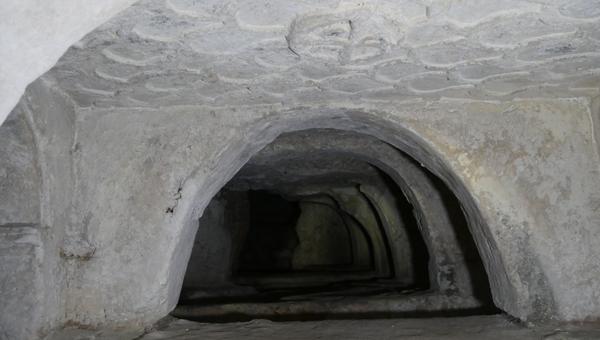
Shrines and churches have their splendors, but the simplicity of St. Agatha's catacombs - where she herself prayed - will bring you back in time ...
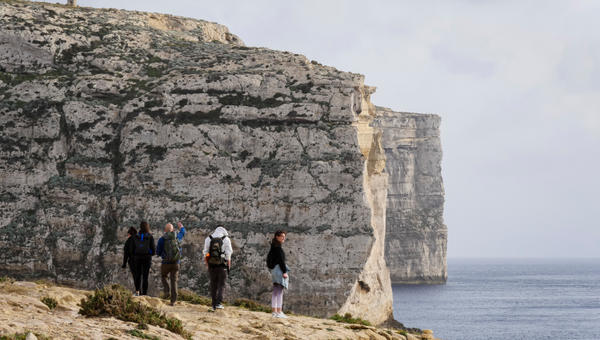
You might know Compostela and the Via Francigena. The Maltese Archipelago has a Camino of its own, inspired by St. Paul and Don Bosco.
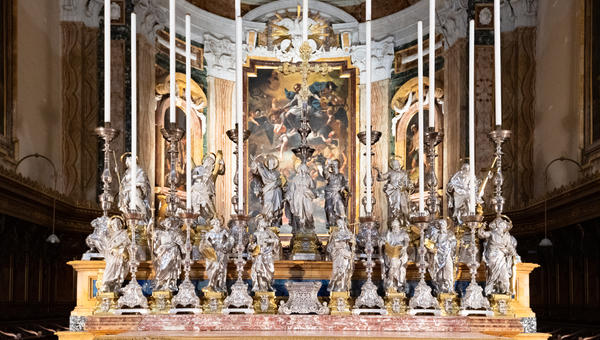
Malta is one of the early cradles of the Christian faith. The many collections of the Mdina Metropolitan Cathedral Museum are witness to this 2,000-year-old tradition.
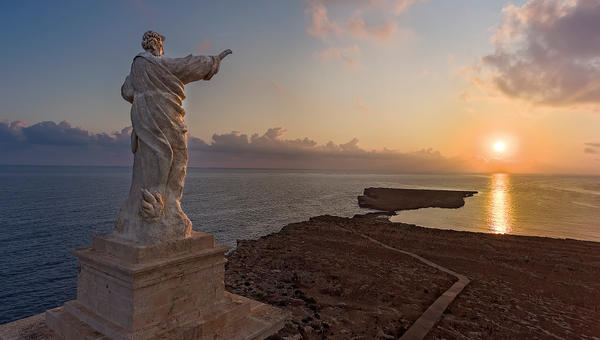
Christian traditions of the archipelago are as ancient as those of Ephesus, Jerusalem, Corinth, and Rome itself
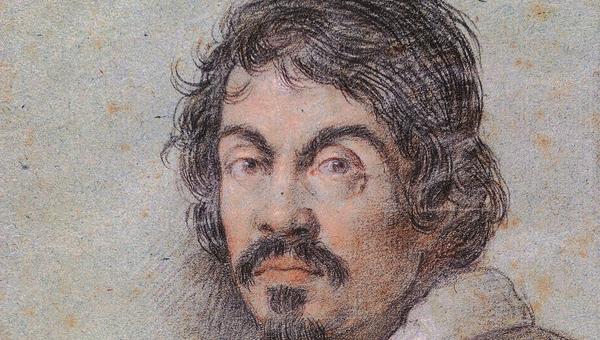
Despite the unhappy ending of his stay in Malta, the legacy Caravaggio left in the island is as imposing as it is rich.
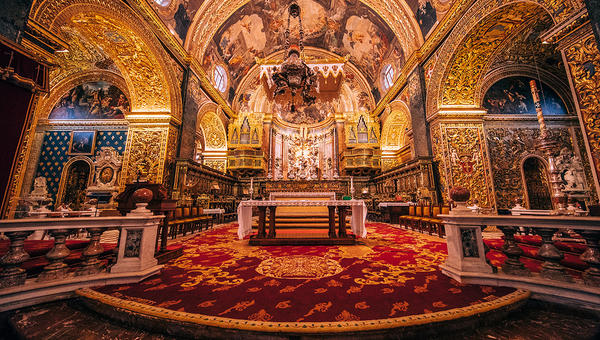
In Malta, there are enough chapels and churches for you to attend Mass in a different one almost every day for year. But the three main cathedrals occupy a special place.
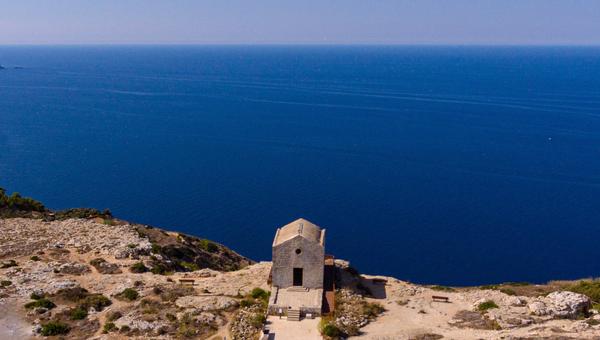
No other Christian land in Western Europe can claim to have such a great number of chapels per square kilometer.
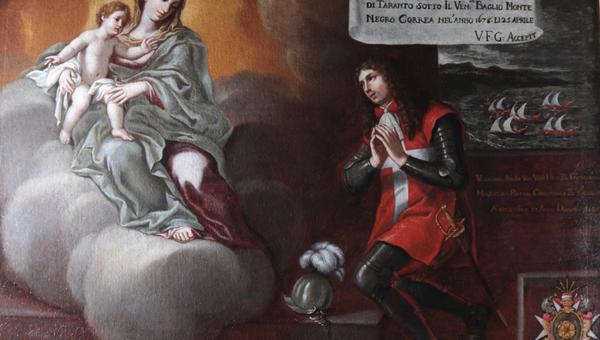
In ex voto paintings, thousands of inspiring stories are told: the hardships, perils and humiliation people suffered and the help from Heaven that came their way!
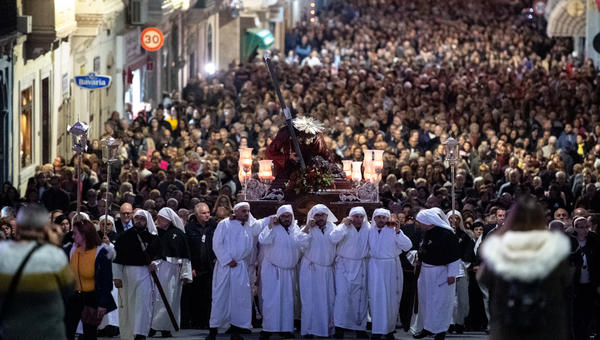
These four exceptional sculptures are revered by thousands of devotees, who find their prayers answered and graces granted.
The Gospels describe Jesus as having “no place to rest his head.” But they also present him as providing the best wine, food for thousands, and breakfast for his disciples after his Resurrection.
Known as troglodyte churches, cave churches are one of the most interesting architectural developments in the history of Christian culture.
Early Christians in the archipelago turned caves and pre-existing catacombs into chapels that could accommodate a growing community of believers.