Bishops of suffering Nicaragua will visit Rome this week
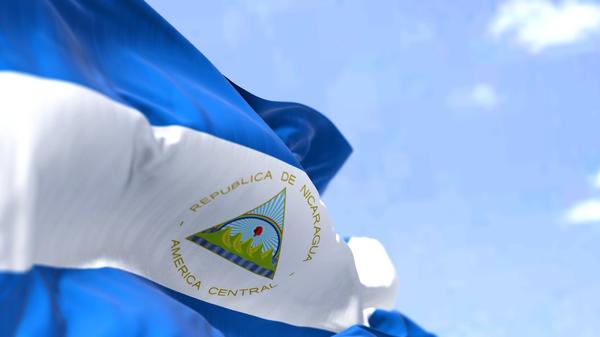
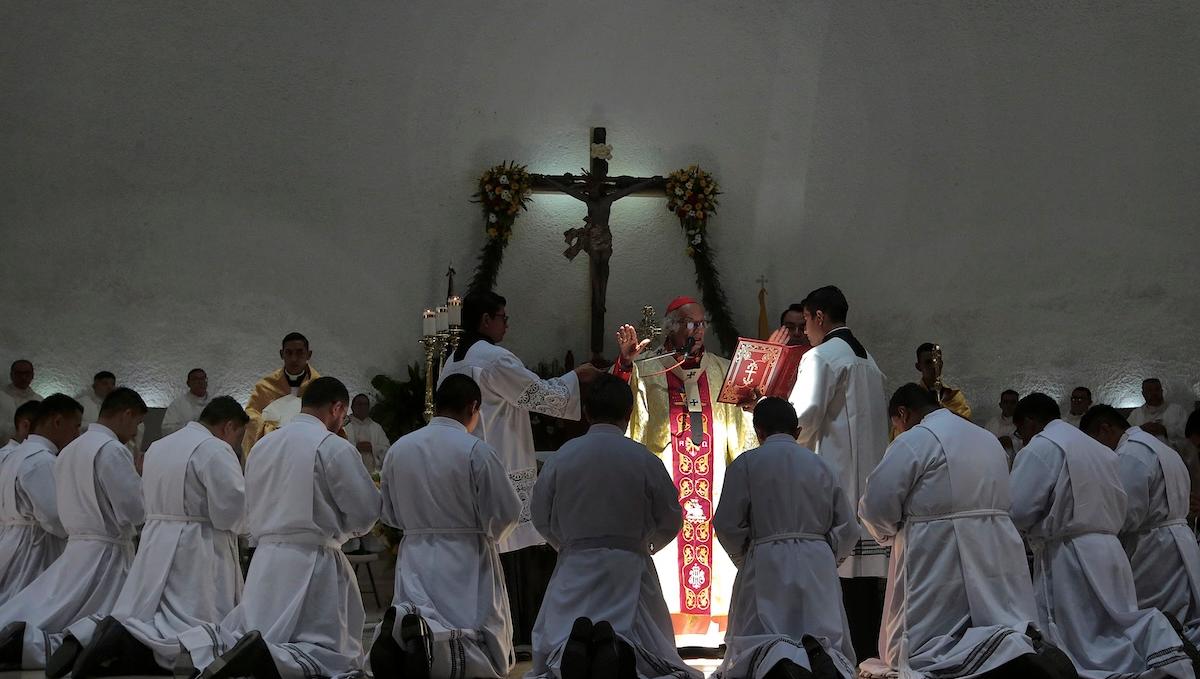
The ad limina visit of Nicaragua’s bishops to Rome, during the week of October 12, comes against a backdrop of continued persecution of the Catholic Church by Daniel Ortega’s regime.

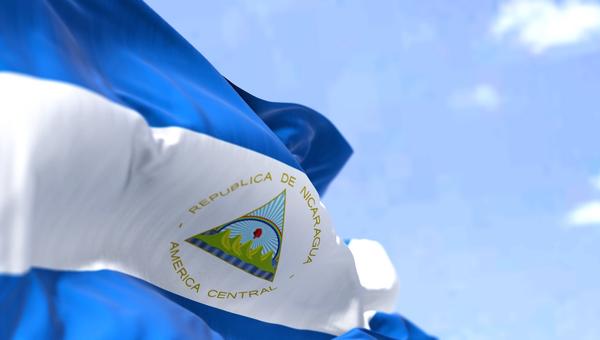
The Interior Ministry issued a statement saying that “dozens of people who remained in the custody of the relevant authorities have returned to their homes and families.”
Christian churches — especially the Catholic Church — have been among the few institutions to publicly challenge the Ortega government.
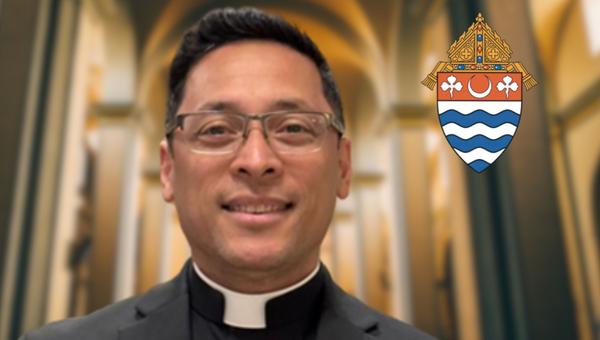
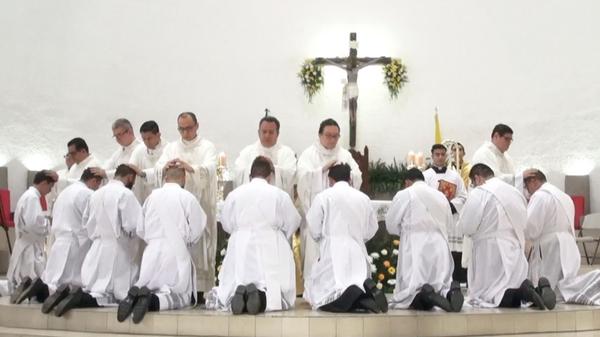
Bishop-elect Pedro Bismarck Chau was born in Nicaragua and was ordained a priest for the Archdiocese of Newark in 2008. He is fluent in American Sign Language.
The regime of Daniel Ortega and Rosario Murillo have labeled Catholic leaders “terrorists” and driven hundreds of clergy and religious into exile.
The move came just two days after U.N. experts condemned Ortega’s regime for its systematic crackdown on democratic freedoms and religious groups.
For Nicaragua’s Catholic faithful, these forced exiles are not just about the loss of religious leaders but the erosion of spiritual and community life.
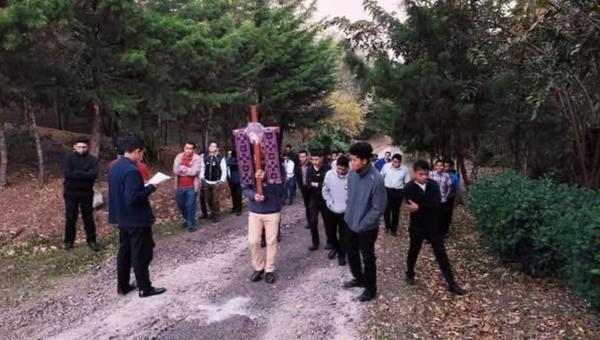
Once a vital hub for priestly formation, the seminary now stands empty, its students sent home.
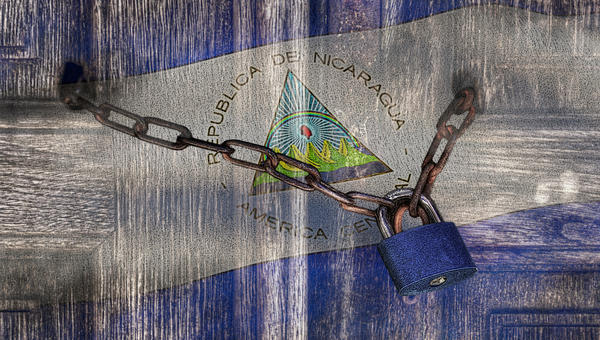
Nicaragua’s crisis highlights the universal importance of religious freedom. It is not just a Catholic issue or even a Nicaraguan issue — it is a human issue.
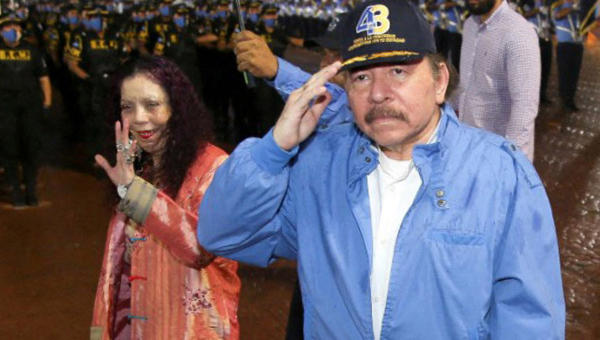
The Ortega-Murillo regime has become infamous for targeting churches, charities, and civil society organizations that provide aid, or advocate for human dignity.
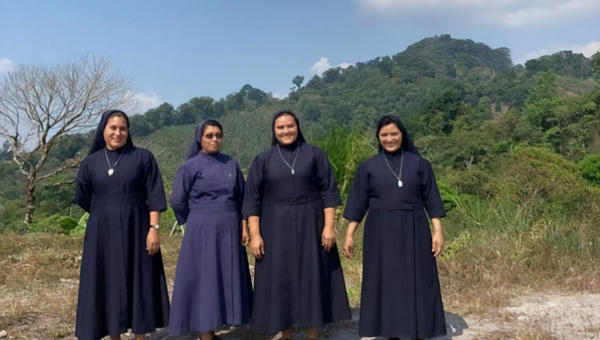
As the Ortega regime tightens its grip, the Church’s role as an advocate for justice faces unprecedented challenges.
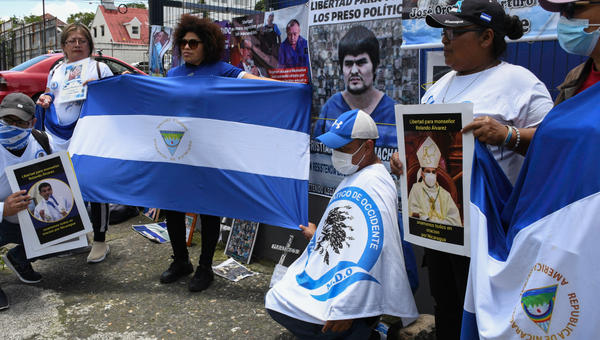
Pope Francis extended his spiritual support to Catholics in Nicaragua, urging them to place their trust in “the Lord’s loving Providence.”
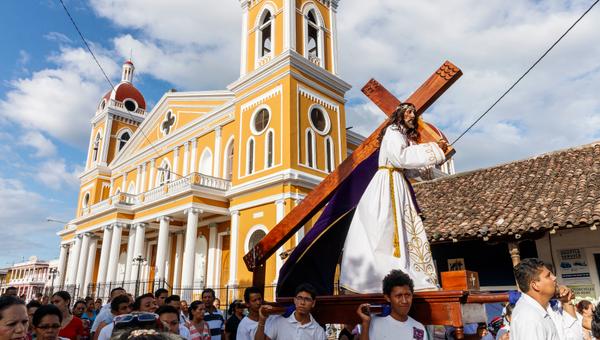
This day of prayer serves as a reminder of the Church’s unity and its mission to stand in solidarity with those who suffer.
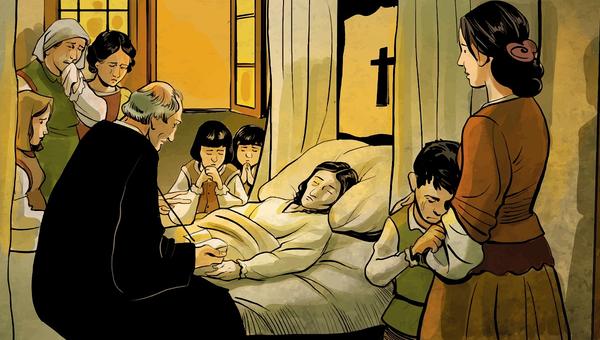
In the latest act of persecution by the Nicaraguan government, Catholic priests are prevented from giving the sacrament of Anointing of the Sick to patients.

Among the list of participants of the second session of the Synod on Synodality is exiled Nicaraguan Bishop Rolando Álvarez of Matagalpa.
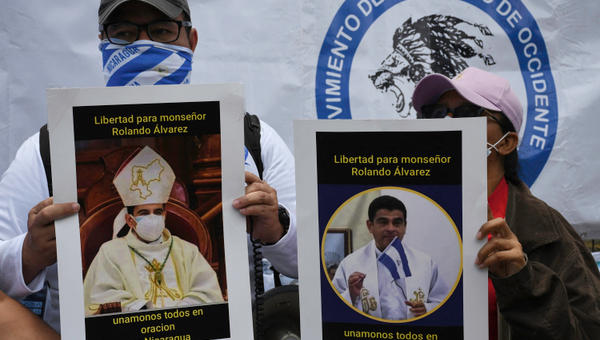
As Nicaragua faces these trials, the global Catholic community is called to unite in prayer and solidarity.
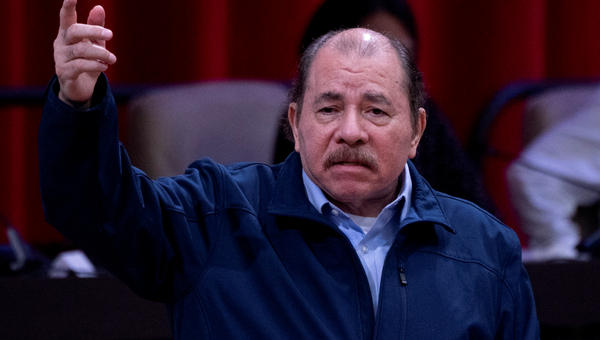
The closure of Catholic organizations is a stark reminder of the broader repression of religious life in Nicaragua.
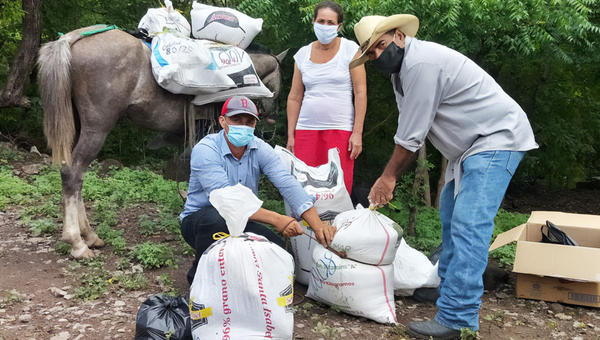
For the Catholic community and those who have benefited from the work of Caritas, this is a moment of profound uncertainty.