Transhumanism and posthumanism: A plain guide to two big ideas
You will encounter these terms increasingly in Catholic documents, political debates, and tech circles. Here is what they actually mean, where they came from, and why they matter.




AI can draft a sentence in seconds. Conscience still takes time. Without silence and effort, language risks losing truth and responsibility.

The University of Dallas released two seasons of a video series drawing on faith, literature and history to illuminate living a courageous life.
His message lands in an age of rapid technological change and disposable relationships: think deeply, converse widely, keep the big questions open.

God has been telling stories since the foundation of the earth. That's why man is a story-telling animal.

We’d rather be pleased now than be satisfied later. This has been true for men of all time, so the challenge is the same as it ever was.
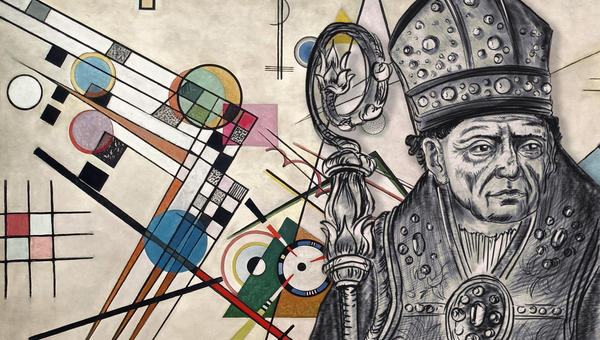
Could a man who died almost 1,600 years ago really have something to say to us about the serious problems we face today?
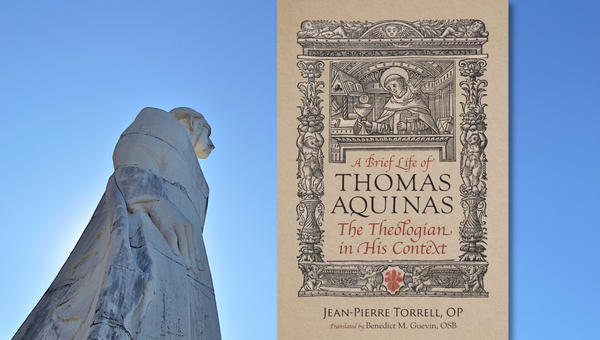
This work is for those who may have struggled to understand Aquinas in the past but still desire to explore his thought.
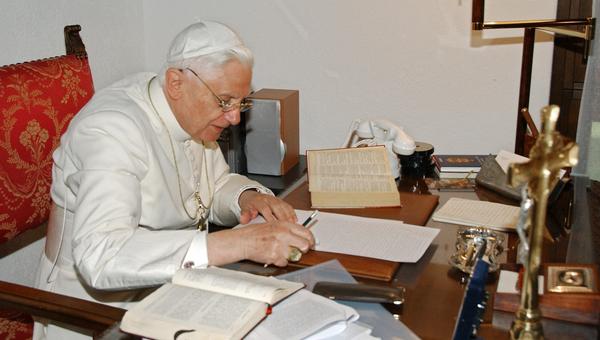
Pope Benedict XVI had a love for preaching and would prepare homilies for even the smallest groups with whom he celebrated Mass.
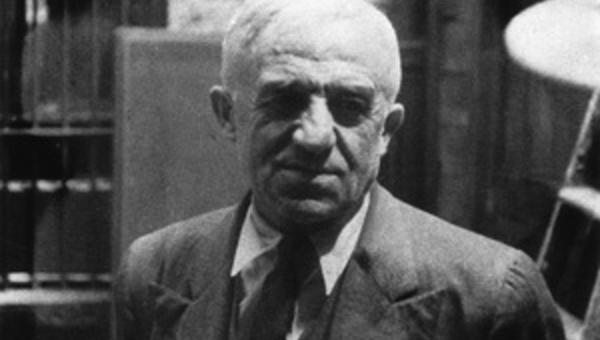
Most of us have heard of Dorothy Day, but less known is Peter Maurin, the philosopher who inspired her work. A recent conference was devoted to this holy man.
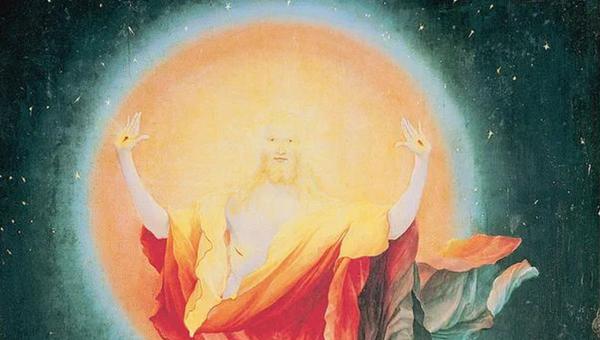
While the “flesh” (sarx) is mortal and self-serving, the “body” (soma) is conceived as essentially part of a larger divine plan.

After watching Simone Biles raise the bar for all female gymnasts, Bishop Robert Barron was inspired to delve into the philosophy of sports.

An Augustinian thinker at heart, her insights resonate deeply with some of the core teachings on forgiveness found in Christian traditions.
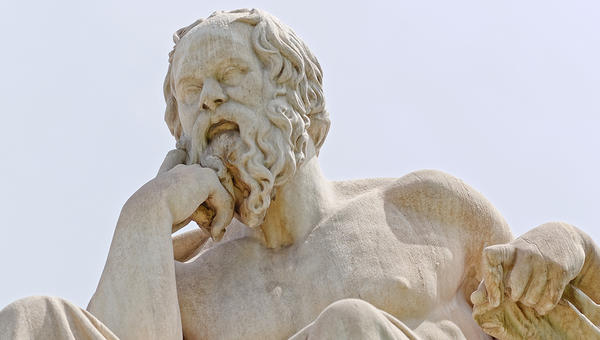
Most people are drawn to clear purpose and application in everything they do. And still, there’s power in “useless” knowledge.
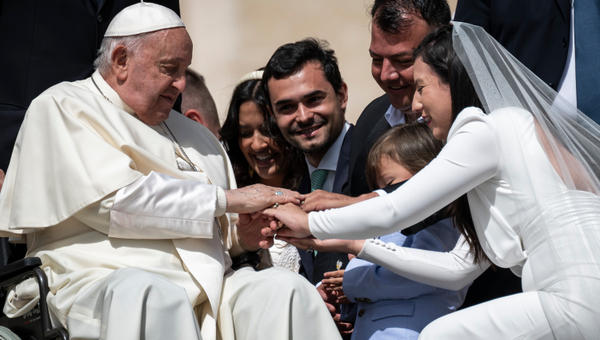
People with this virtue are those who understand how to enjoy a good wine, how to recognize what counts in life.
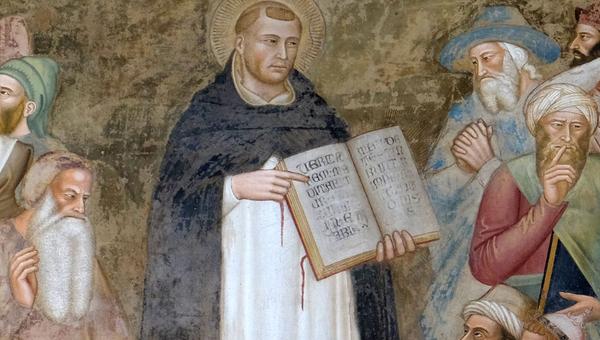
St. Thomas died on March 7, 1274, en route to the Council of Lyons. His theological and philosophical legacy continues to enlighten the universal Church.
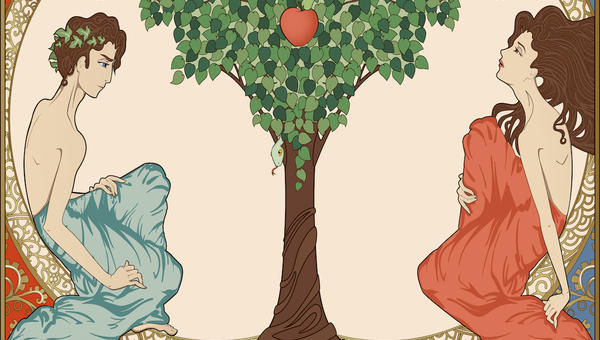
One of the key morals of the story comes from looking at the "punishments" for Adam and Eve's bad choices. We have to understand the difference between a punishment and a simple consequence.

St. Thomas Aquinas understood existence as a dynamic process of moving from potentiality to actuality. What we are is a mere seed compared to what we could become.