How the Eucharist prepares us for heavenly glory
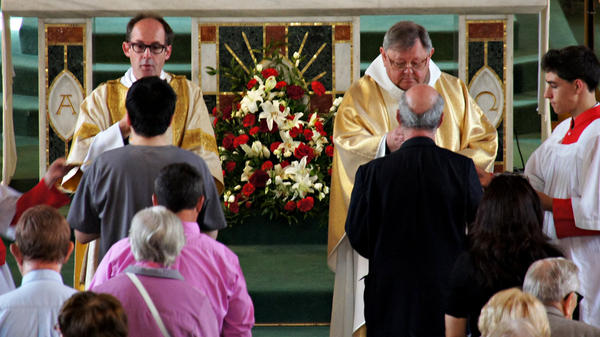
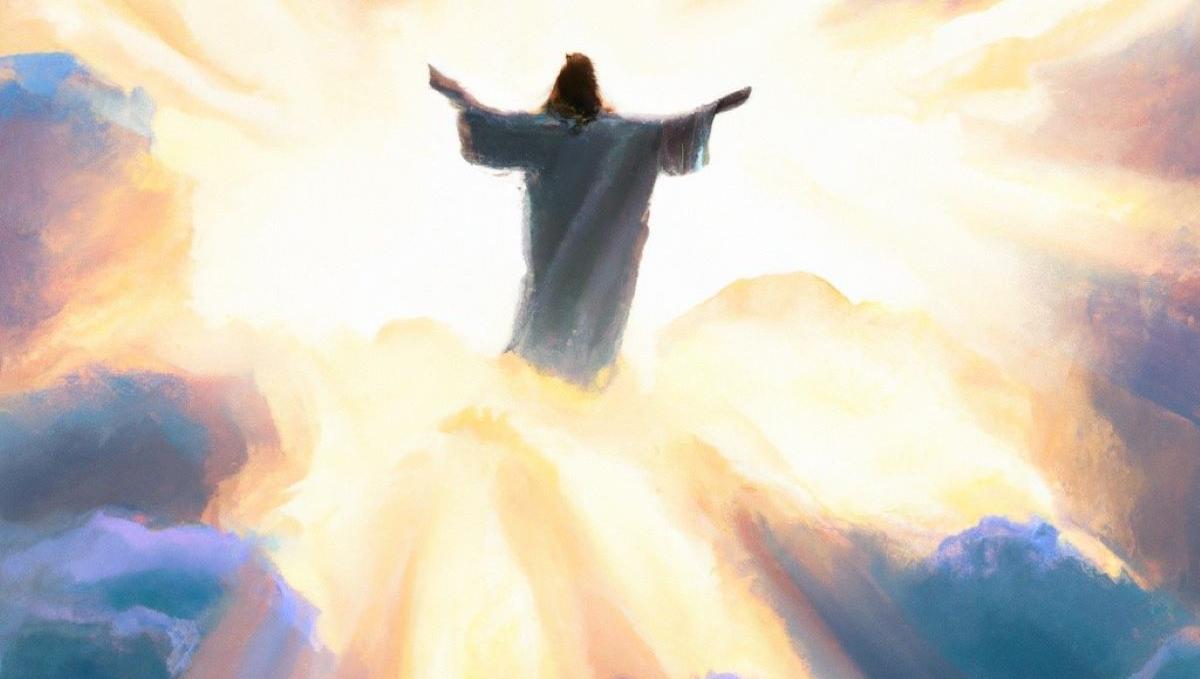
Jesus gave us the Eucharist not only as "food for the journey," but also as a way to prepare us for ultimate union with him for all eternity.
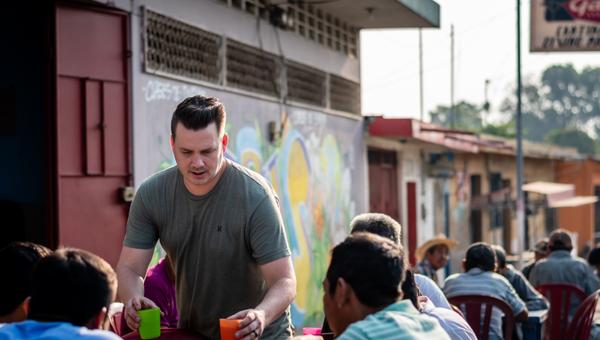
The Eucharist is a sacrament of love, and whenever we receive it worthily we can grow in our love of God and neighbor.

When we receive Holy Communion in a worthy manner, it can help move our hearts away from sin and closer to Jesus Christ.
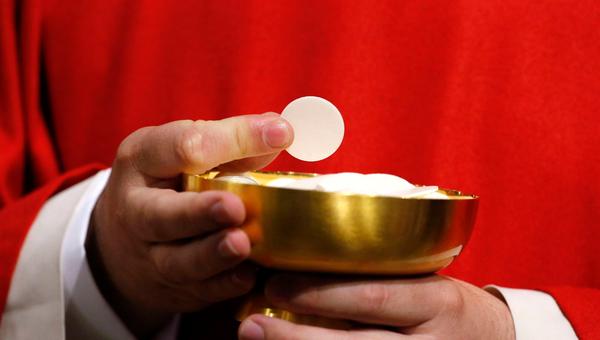
The primary benefit of receiving Holy Communion is a deeper union with Jesus Christ, provided our hearts are open to that union.
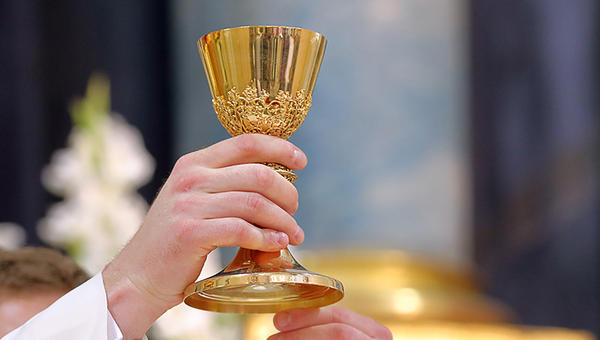
Holy Communion may be received under both kinds, though in receiving either the consecrated host or the consecrated wine, one receives Jesus' body and blood.
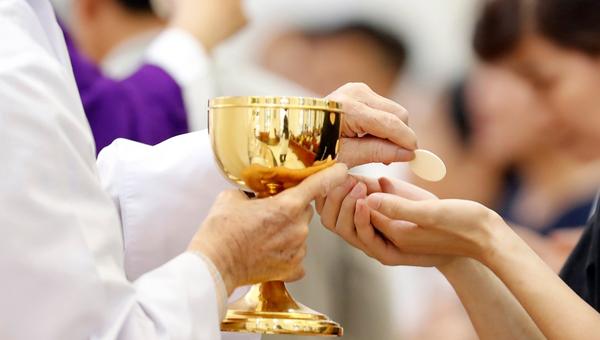
The Church highly encourages anyone who is spiritually prepared to receive Holy Communion every time they attend Mass.
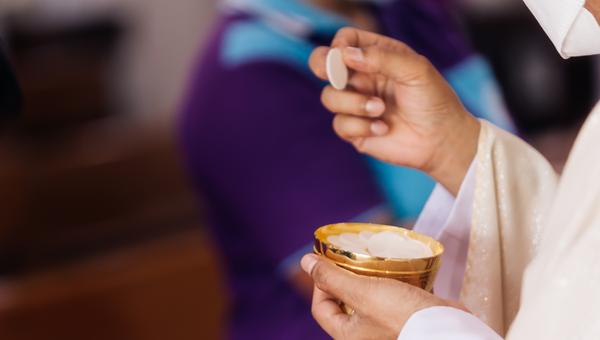
The Catechism of the Catholic Church offers a brief guide on how to spiritually prepare to receive Jesus in Holy Communion at Mass.
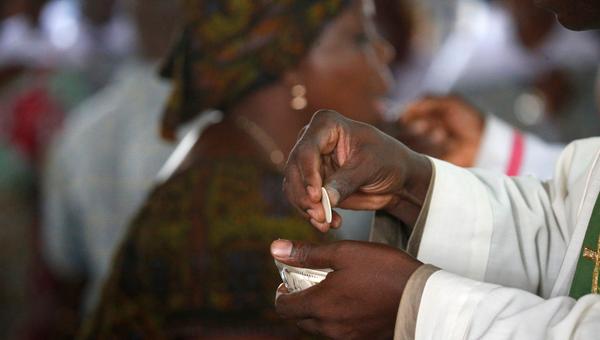
Every action in the Mass builds upon itself and culminates in Holy Communion, a special time when we are invited into union with God.
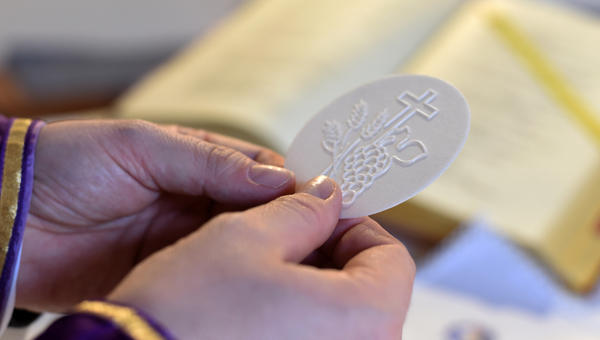
Our eyes will likely never see the bread and wine change into Jesus' body and blood. Ultimately, belief in the Eucharist requires trust in God.
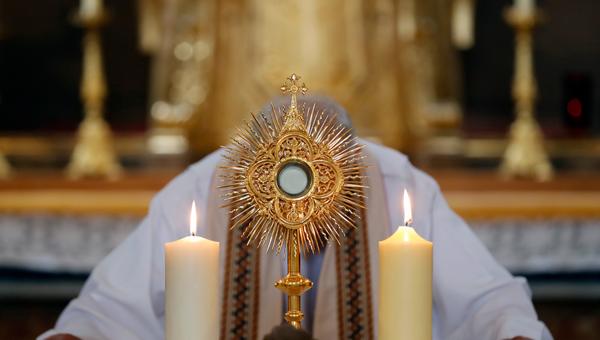
St. John Paul II firmly expressed his view that the Church and the world need Eucharistic worship, as it can draw us closer to God and each other.
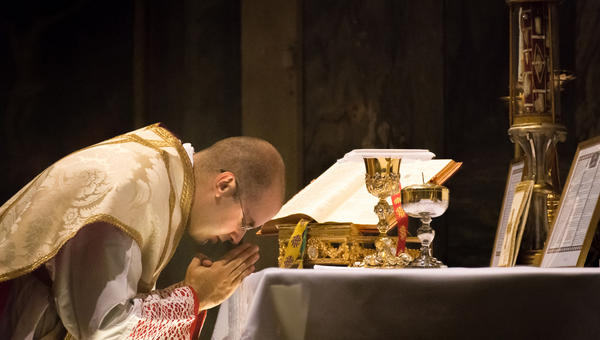
Transubstantiation is a big word in the Catholic Church, one that has been used to precisely explain what happens at the consecration at Mass.
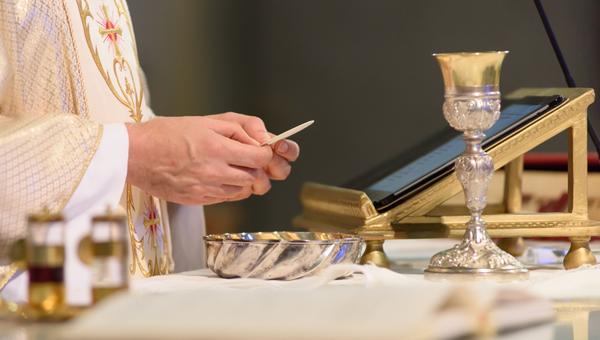
While priests are ordained with the ability to act in the person of Christ at Mass, they rely on God's power to transform bread and wine into Jesus.
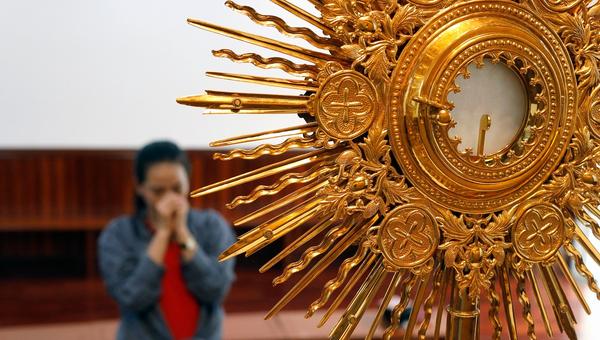
While Jesus is present in the poor and in the holy scriptures, he is uniquely present in the Eucharist.
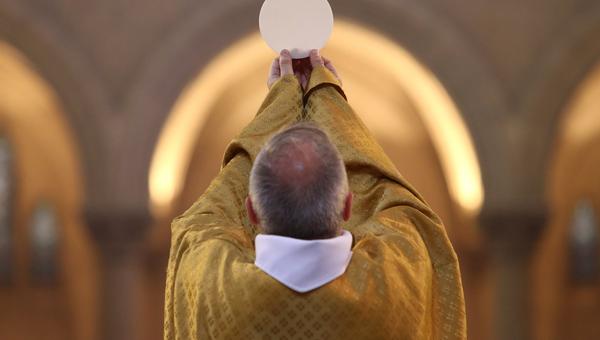
When celebrating the Mass, priests can offer it for a particular deceased soul, praying that the soul will be purified and enter into the joys of Heaven.
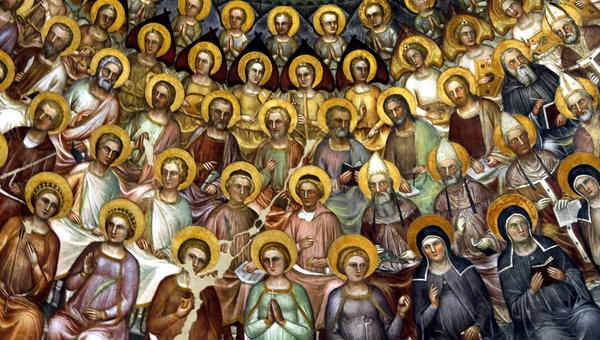
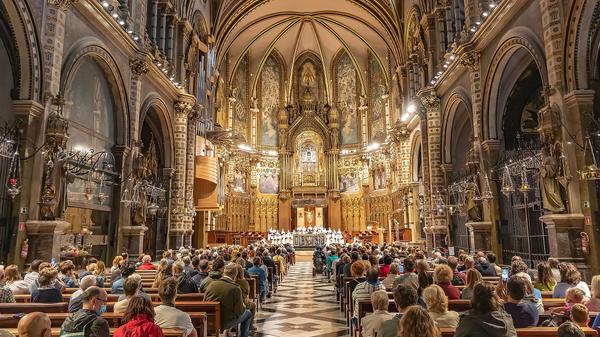
At every single Mass all those who participate on earth are at the same time spiritually united to all the saints currently in Heaven.
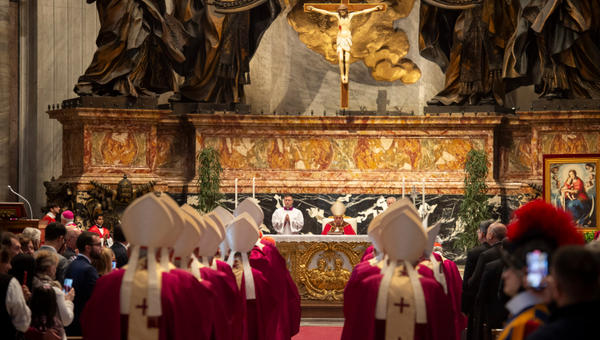
Whenever the Mass is celebrated in the Roman Rite, the pope and local bishop are named by the priest to signify a deeper spiritual reality.
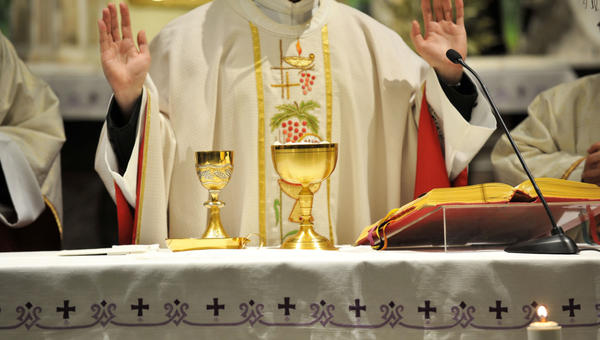
From the point of view of a casual observer, there doesn't appear to be anything that would indicate the Mass is a sacrifice.
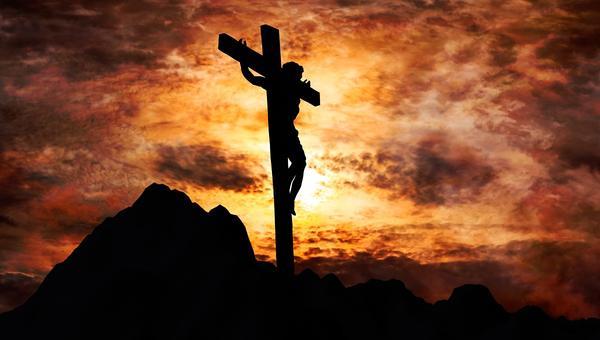
The Eucharist is a memorial, but that word can be confusing as it has multiple meanings.