Open menu
Aleteia
Saturday 27 April |
Saint of the Day: St. Zita
News
Inspiring Stories
Voices & Views
Lifestyle
Spirituality
Issues & Implications
For Her
Church
Art & Culture
Travel
Medieval
V. M. Traverso
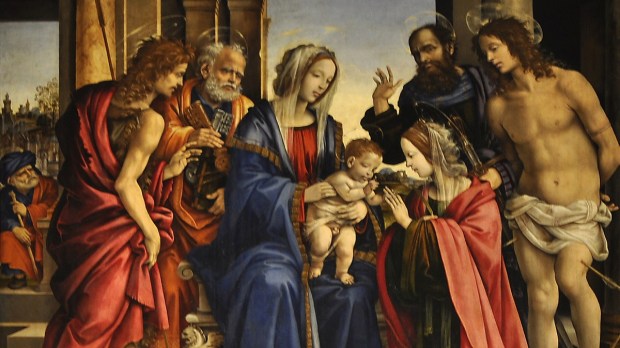
How a father and son left their mark on Renaissance art
V. M. Traverso
Piero della Francesca altarpiece reassembled after 500 years
Daniel Esparza
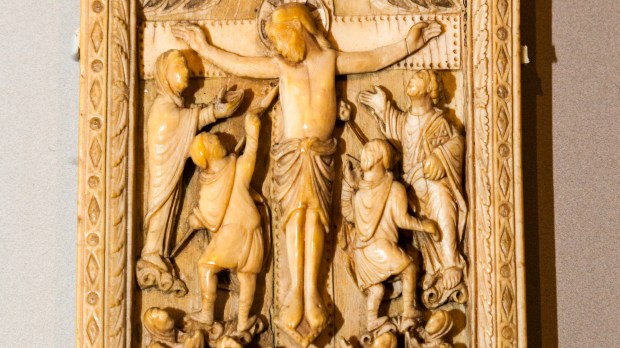
Ivory masterpiece shows victory over death … and time
Daniel Esparza
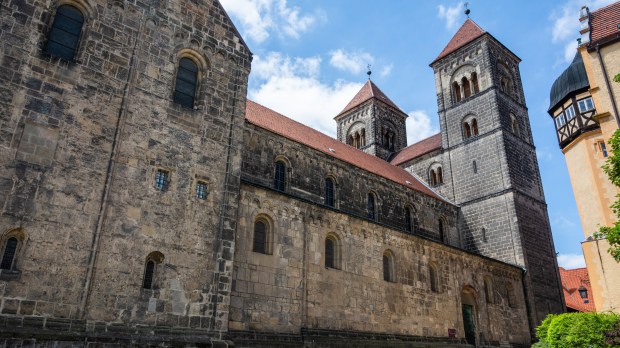
Ancient baptismal font linked to German royalty discovered in Quedlinburg
Daniel Esparza
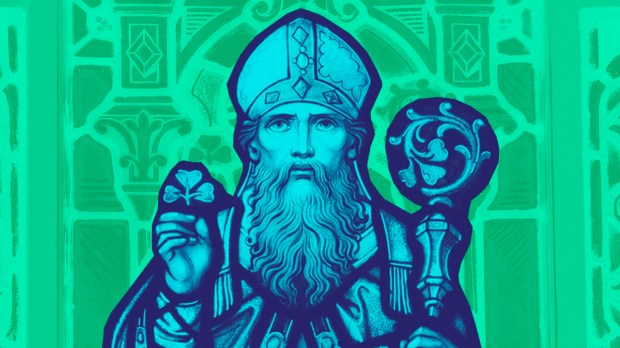
Is St. Patrick’s true color blue, not green?
V. M. Traverso
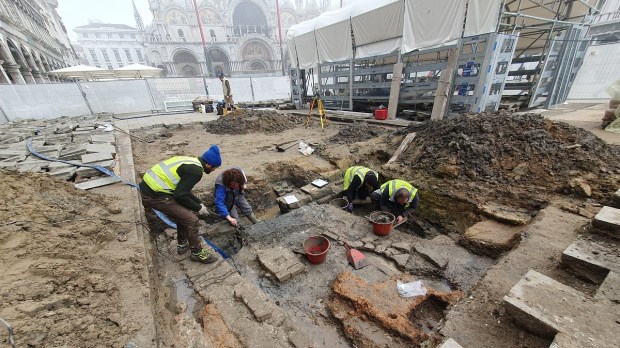
Archeologists find a lost medieval church in Venice
Daniel Esparza
Are you familiar with these symbols of Christ
’
s Passion?
Daniel Esparza
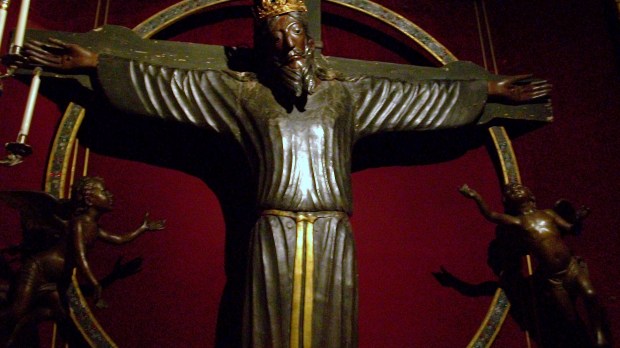
The Holy Face of Lucca: Did Nicodemus have angel’s help on this sculpture?
Daniel Esparza
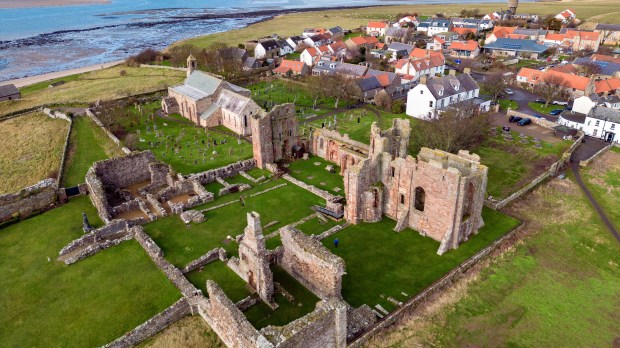
“Lost” medieval English saint is “found” again
Daniel Esparza
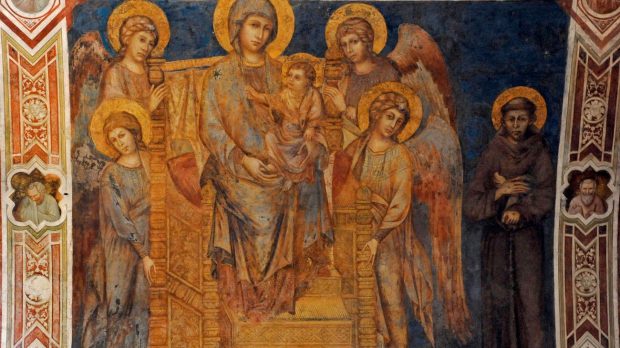
Cimabue’s St. Francis fresco shines anew after restoration sponsored by Ferrari
Daniel Esparza
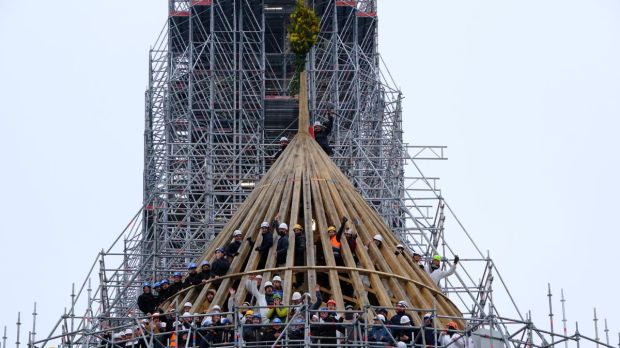
Notre Dame rises again: Paris unveils grand reopening plans for Dec. 8
Daniel Esparza
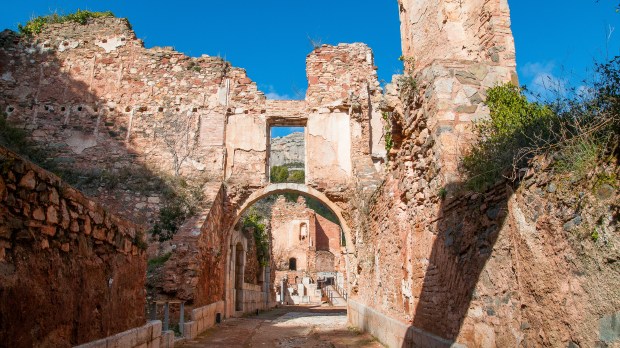
Carthusian monks built this site because of cliff-climbing angels
Daniel Esparza
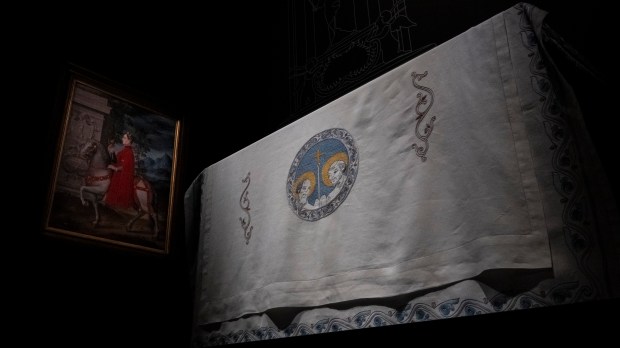
The “Tablecloth of Forgiveness” goes on display at the Vatican
Daniel Esparza
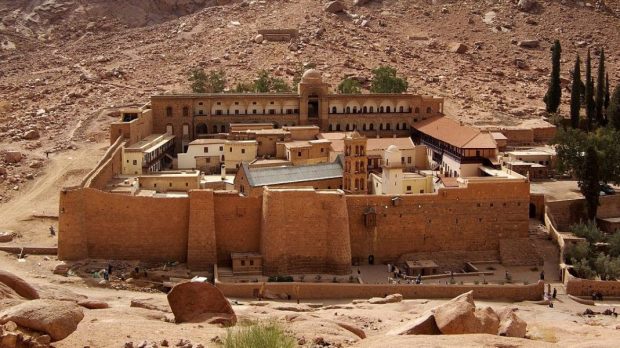
3 Great monasteries that are more than 1,000 years old
Daniel Esparza
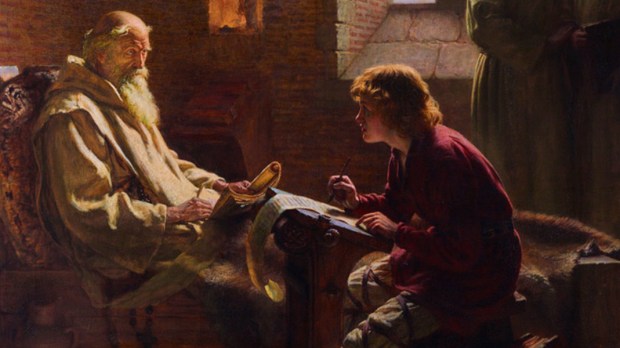
A new biography of Bede reveals his enduring legacy
Daniel Esparza
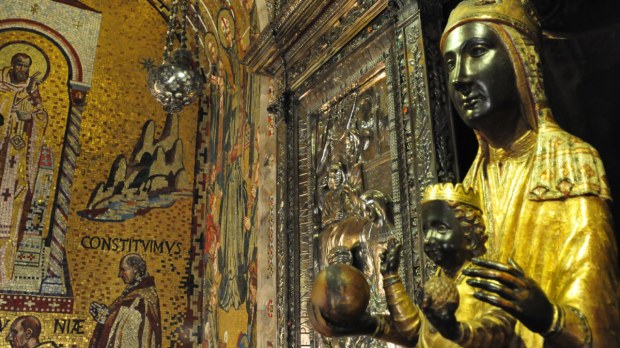
Montserrat Abbey prepares for 1000th anniversary celebration in 2025
Daniel Esparza
January 14: A medieval feast of the humble donkey
Daniel Esparza
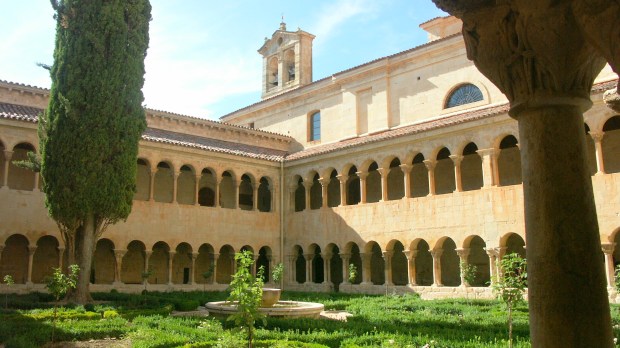
The legendary Monastery of Santo Domingo de Silos
J-P Mauro
A Medieval Christmas hymn from the masters of sacred music
Daniel Esparza
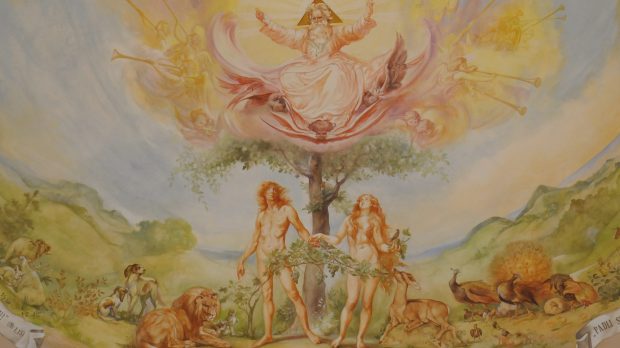
Christian symbolism of the four rivers of Paradise
Show more
Daily prayer
And today we celebrate...
Prayer for this morning
Daily meditation
Prayer for this evening
Top 10
See More

 Aleteia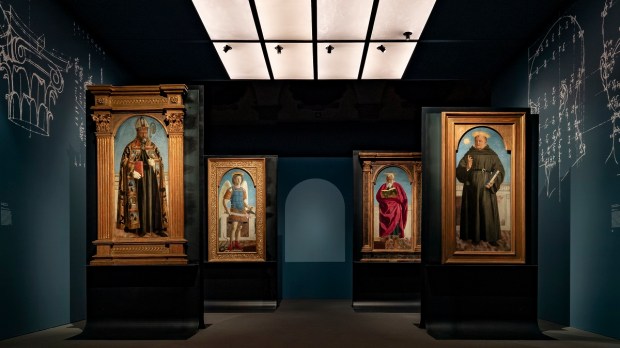



 And today we celebrate...