


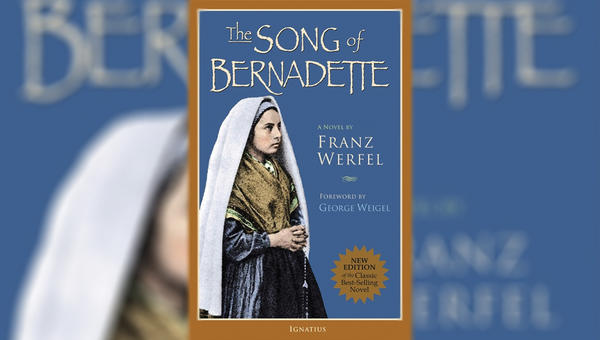
The fascinating story behind ‘The Song of Bernadette’
A Jewish author and a Catholic story came together, and even the Protestant majority enjoyed its wholesomeness.

A Jewish author and a Catholic story came together, and even the Protestant majority enjoyed its wholesomeness.
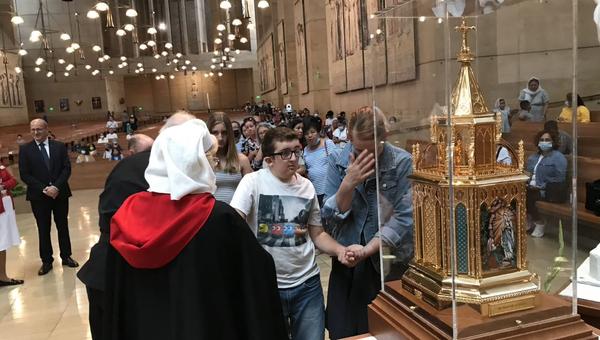
Will the relics of St. Bernadette of Lourdes stir the hearts of the British people and inspire renewed devotion to the Virgin Mary?
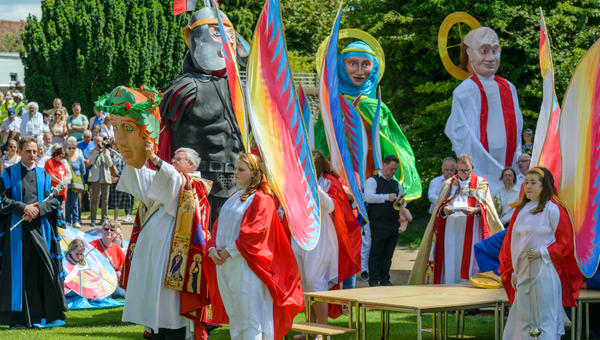
The annual Alban Pilgrimage is a puppet-filled street festival commemorating St. Alban, whose shrine was destroyed during the Protestant Reformation but later reinstated by the Church of England.
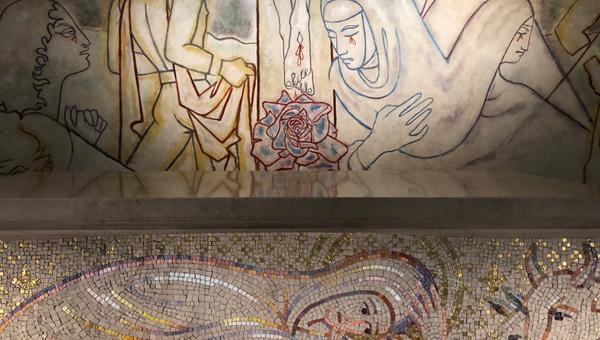
The avant-garde artist, while not reliably religious, was devoted to the Blessed Mother. She is, unusually, the central focus of his depiction of the Crucifixion.
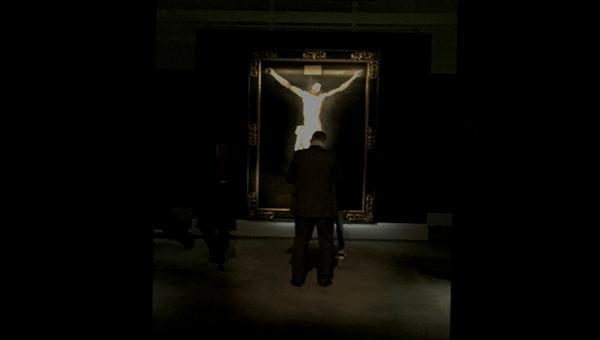
In recent years, these moving depictions of Christ on the Cross have only been shown to a limited group of museum-goers and visitors to auction houses and private collections.

The artists that formed the Pre-Raphaelite Brotherhood in the 19th century wanted to turn back the clock to a less polished era. Above beauty and artifice they valued realism, and produced sacred art with a distinctly medieval look about it.
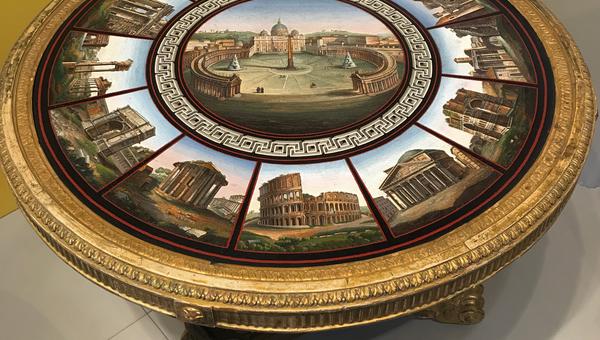
During the 19th century pilgrims visiting Rome bright home these crosses of easily transportable size.
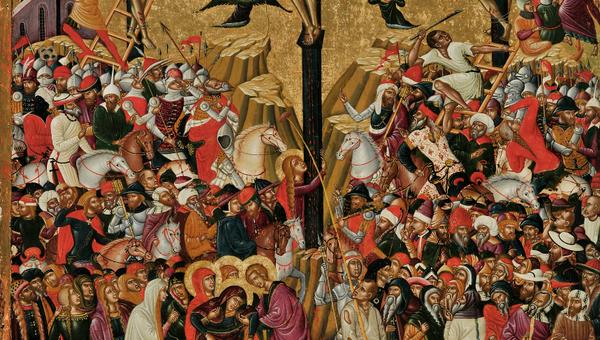
Whether Christ on the cross is depicted with three or four nails might depend on the time, the place and whether the artist was Orthodox or Catholic.
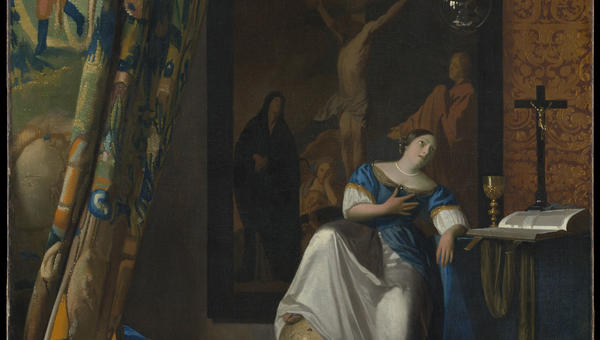
The great Dutch painter, perhaps best known for "The Girl with a Pearl Earring," converted from the Dutch Reformed Church to Catholicism, and broke all the rules with his "Allegory of Faith."
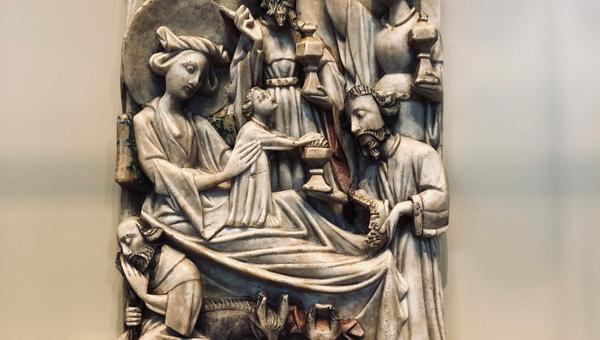
In the Middle Ages, English artisans created beautiful sacred art out of alabaster.
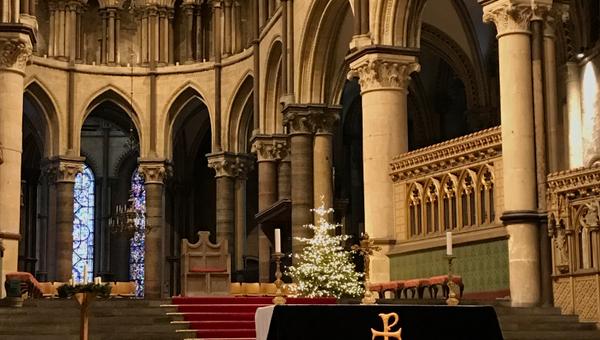
It was a delight to see a lavishly illuminated Christmas tree at the heart of the Church of England’s most important cathedral.
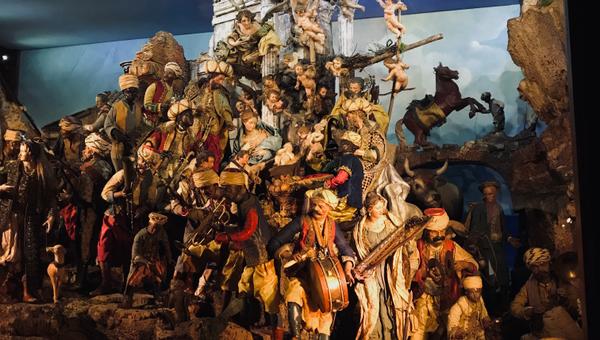
It's a perfect slice of Neapolitan life from around 200 years ago.
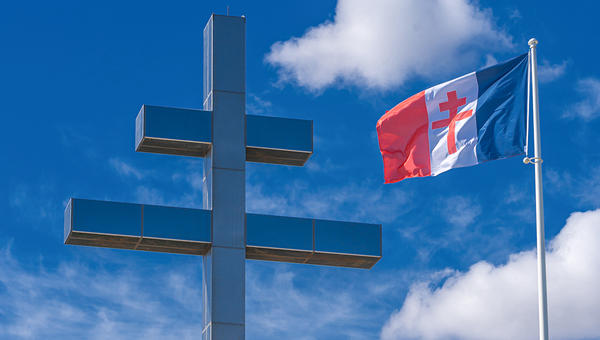
The Cross of Lorraine was the only symbol of WWII to truly counter the twisted cross of the Nazi party.
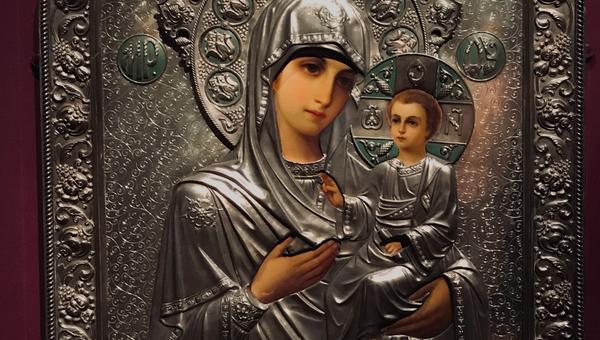
A new exhibit on the House of Fabergé at the Victoria and Albert Museum features a surprisingly religious work of art.
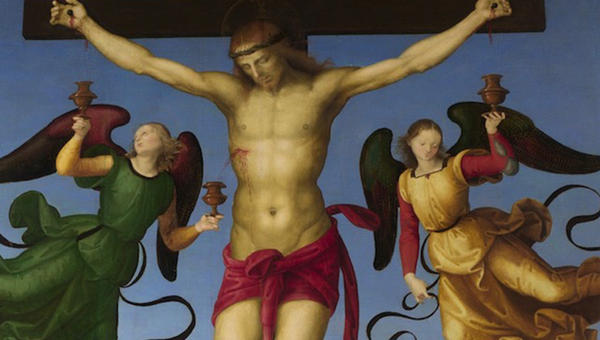
The artist Raphael understood that the intention of crucifixion was to prolong the public spectacle.
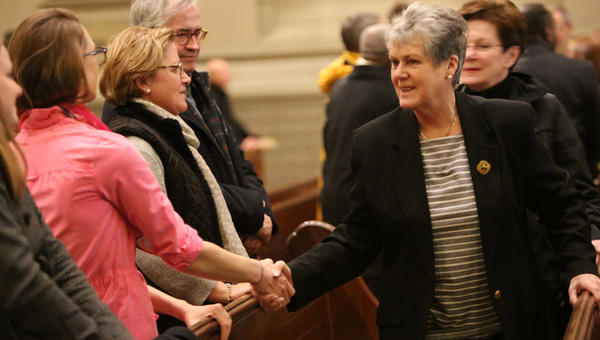
What was for centuries was a vital part of the Mass was replaced by replaced by nods, handshakes and the occasional daring hug.

Destroyed during WWII, the Catholic cathedral in the London borough of Southwark rose from the ashes.
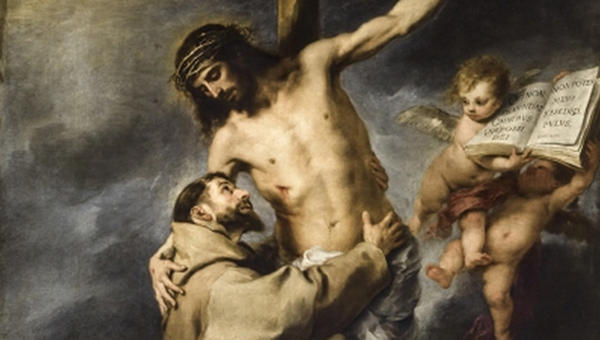
Less well known than the English Reformation or the French Revolution, it was an equally disastrous time for the Catholic Church.
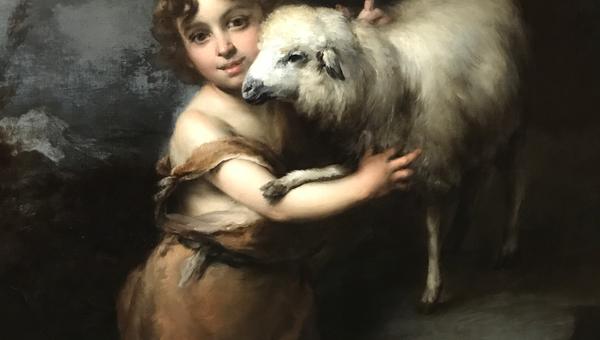
Sacred art captures the prophet as truly at one with nature.
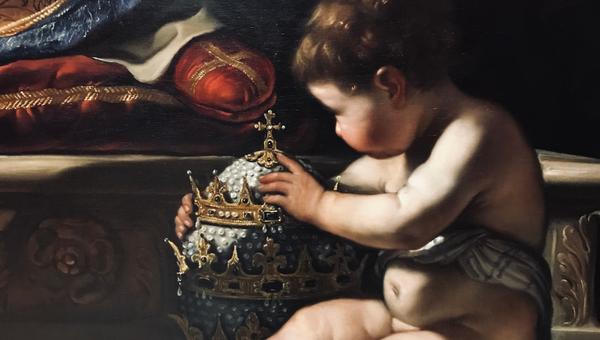
Ornate, jewel-encrusted headgear is a thing of the past.